Bottom Line: Fed & Rates
A recurring question in meetings is whether the Fed will raise rates. Our view is that the Fed will likely accept slower growth rather than hike rates. The economy SHOULD slow from the current unusually strong pace of underlying demand as the fiscal impulse and post-tariff reacceleration tailwinds fade (consumer, business activity-ex AI – and hiring trends seemed paused in 2H25). If growth slows as we expect, the Fed is unlikely to cut. I.e. they will accept slower growth. Our call supports some flattening of yield curves over the next 3 – 6 months but is not negative for risk assets. Slower growth reduces inflation risk and inflation is the major constraint on the cycle now (HERE). FYI – our longer term view is higher deficits = steeper yield curves (HERE), hence the 3-6 month flattening call.
Relevant News: Consumer Sentiment – (HERE)
Despite higher gas prices and weak consumer sentiment, U.S. consumer spending remains strong. Solid wage growth, low unemployment, rising wealth, and tax refunds have supported demand, with banks, card networks, and retailers reporting steady 5–8% spending growth. While lower-income consumers face more pressure, spending is positive across income groups, travel demand remains robust, and delinquency rates are flat to improving, highlighting continued consumer resilience.
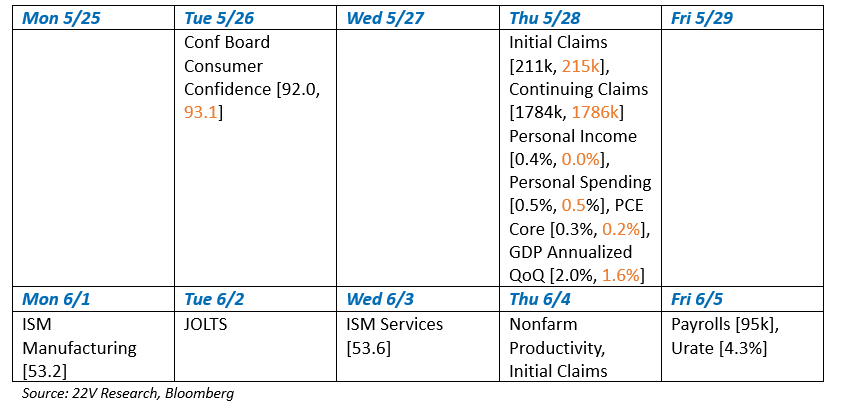
Things to Watch [Consensus, Results]:
Strategy:
The Fed is Likely to Allow Growth to Slow Organically Rather than Hiking Rates + Long Domestic Brazil– (HERE)
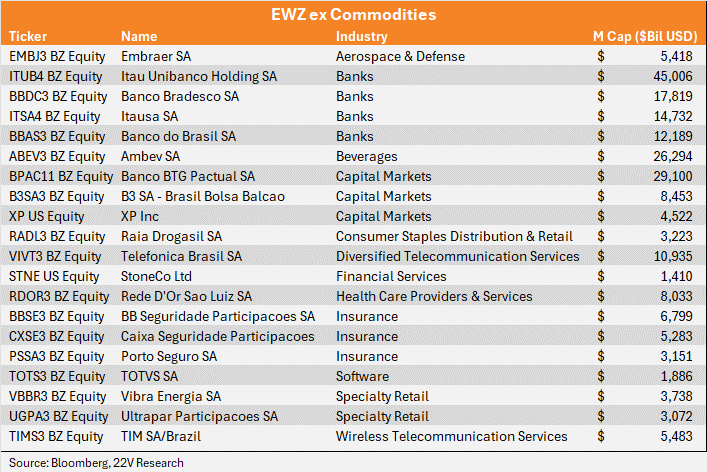
We were lucky enough to host a webinar this week with João Landau, Founding Partner & CIO of Vista Capital, one of Brazil’s leading hedge funds. Replay link HERE. João thinks there is asymmetric upside in domestic-facing Brazil equities, with the presidential election as a catalyst. The background supports are: 1) real interest rates stabilized around 8% over the past year, 2) the unemployment rate has reached historic lows (~5%), 3) inflation has exceeded forecasts but remains relatively contained given the urate (this has been a major surprise), and 4) Brazil’s equity market valuation has reached decade lows, with IVBX P/E ratios around 12x. The upcoming election has been an overhang on the index. In short, investors REALLY dislike President Lula and Lula’s odds of winning have recently increased.
Data Infrastructure/ Commodities:
The Orbital Data Center: A framework for the next AI infrastructure frontier– (HERE)
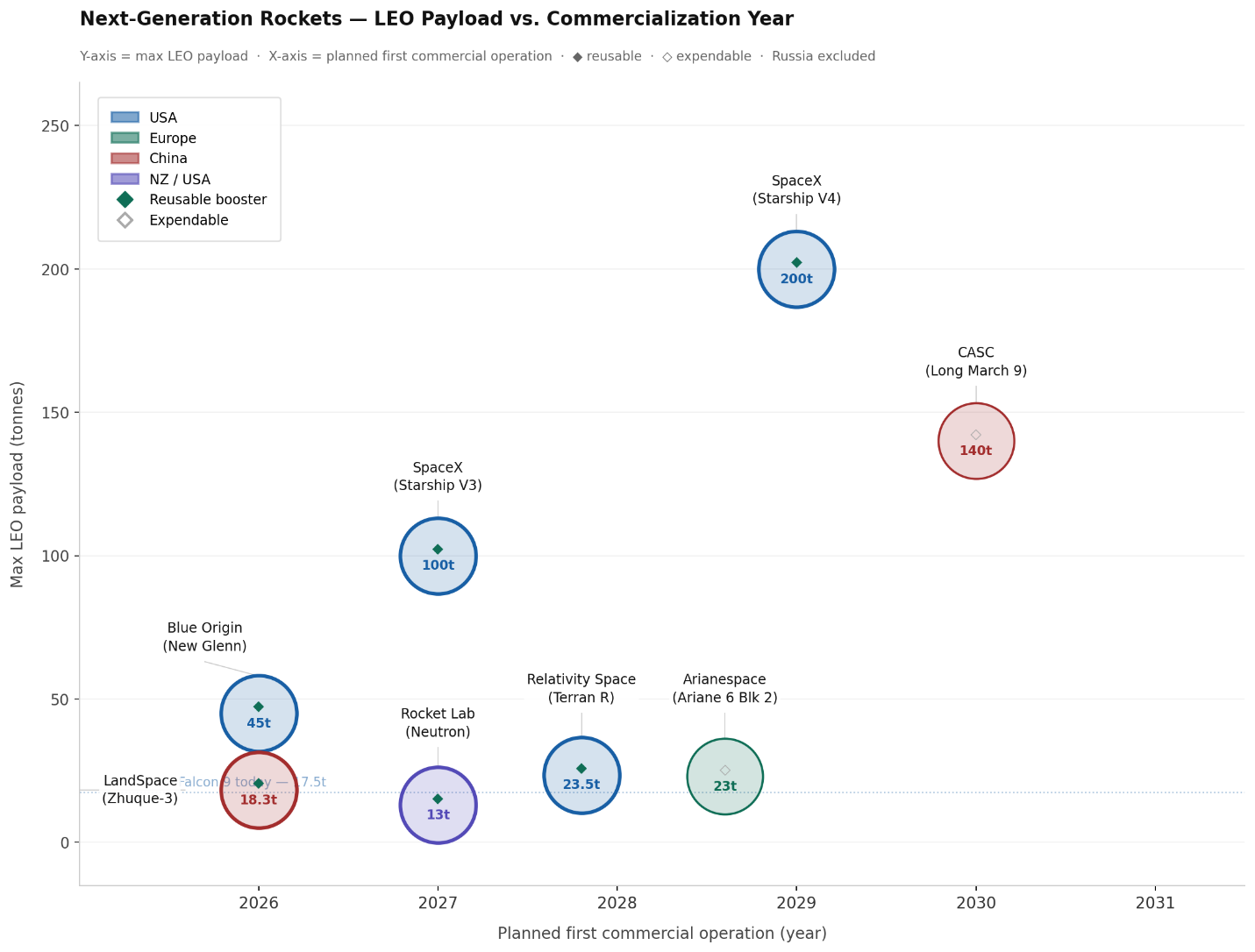
Orbital data centers (ODCs) are moving from concept to reality, with companies including SpaceX, Google, Blue Origin, and several startups pursuing space-based compute infrastructure. While ODCs could help address terrestrial power, land, and cooling constraints (particularly for AI inference workloads) the technology remains years away from meaningful scale due to challenges around launch economics, payload efficiency, hardware durability, and launch cadence. Even under optimistic assumptions, ODCs would likely represent only a small fraction of global data center capacity additions by 2030, with commercialization expected to focus on R&D and pilot deployments over the next 2–3 years. Longer term, falling launch costs and improvements in satellite design could make ODCs a viable complement to terrestrial AI infrastructure, particularly as energy constraints intensify.
China:
Too early to call a property bottom – (HERE)
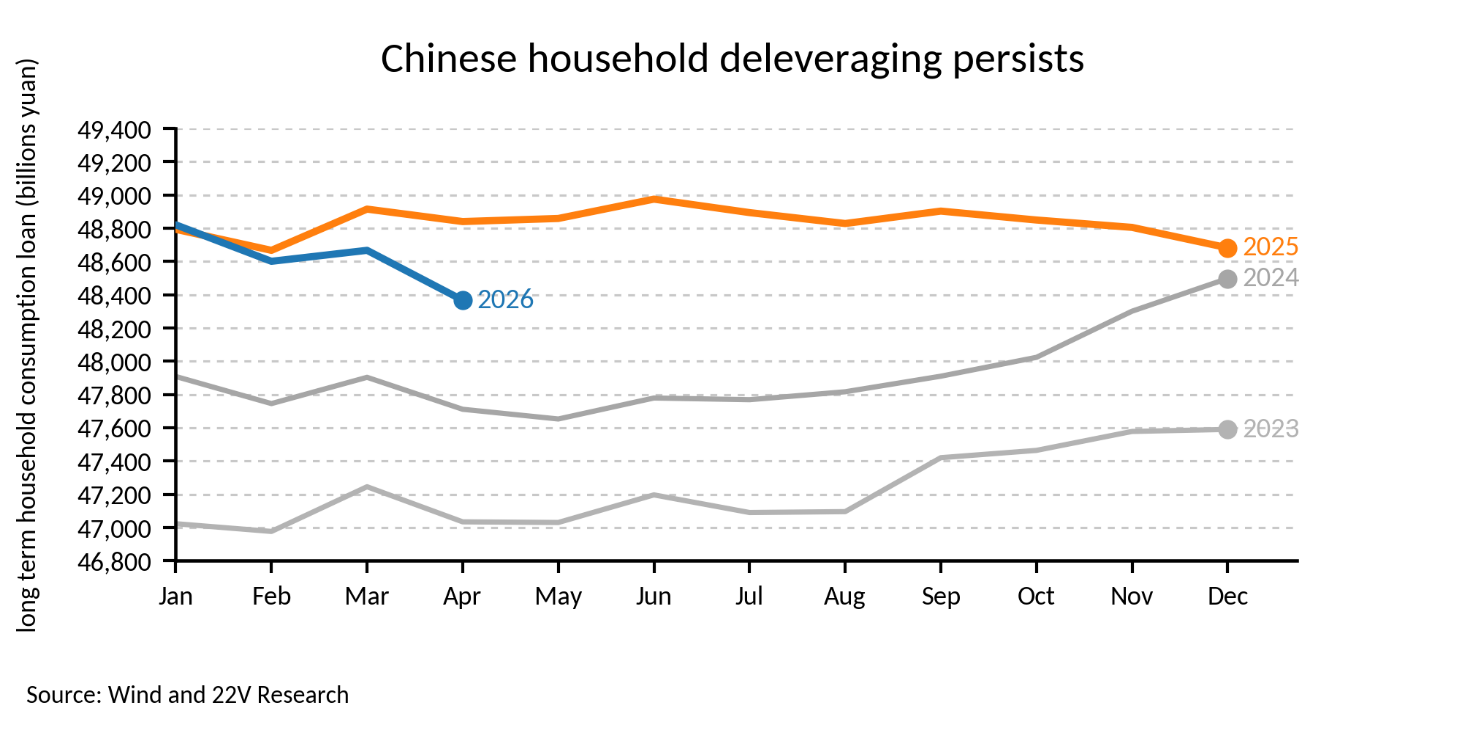
Despite recent improvements in property prices and secondary-market sales in China’s first-tier cities, it is still too early to call a bottom in the property market. Household deleveraging continues amid a weak labor market and high savings rates, while restrictive fiscal policy is weighing on growth and employment, delaying a recovery in housing demand. Even if the market stabilizes, long-term demographic decline and a shrinking working-age population are likely to keep national property demand and valuations subdued, limiting the upside for a sustained rebound.