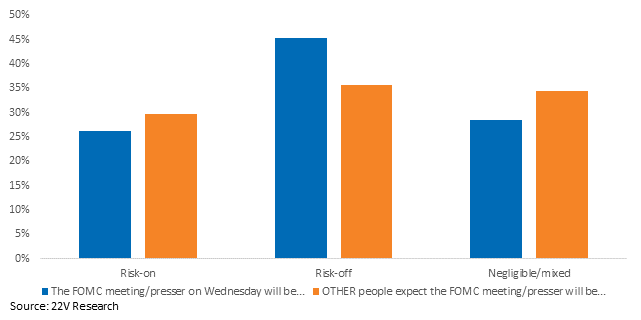
SUMMARY: In recent client conversations, there has been more optimism about lower inflation because of sources like Truflation.com, the Adobe digital Price Index (HERE), and the help from lower commodity prices (oil was down -4% yesterday, a 3rd %tile move). Weak China data being a persistent source of disinflation in goods prices and a headwind for commodities is consistently mentioned as well. Investors expect a slightly lower than consensus core CPI reading today and a risk-on market reaction according to our flash survey (HERE).
The above being said, our survey respondents also expect the FOMC meeting/presser tomorrow will be risk-off.
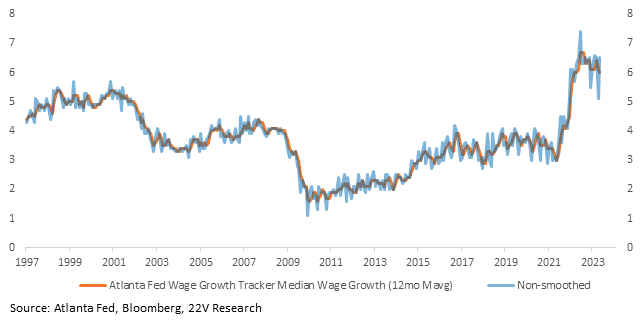
We don’t see a reason to push back against a soft-landing right now. BUT, there’s been some other data that suggests core SERVICES inflation will remain too high, starting with a rebound in the Atlanta Fed wage growth tracker. Core service inflation, ex Rents and Autos is what the Fed is focused on and what will determine how much more they could hike. Don’t focus on headline CPI readings or goods-driven disinflation. If recent wage trends persist, core service inflation should remain at a high level.
Consumer Spending NOT Credit Dependent: As Gerard pointed out in an important report yesterday (HERE), bank credit availability has contracted, but consumer reliance on credit has decreased. Put differentially, the current level of consumer spending has maintained DESPITE the flow of credit contracting. That suggests consumer spending is not particularly fragile. Despite ongoing tightening measures and a limited flow of credit support, consumer spending remaining stable suggests the Fed needs to remain hawkish.

Source: Federal Reserve, CBO, NBER, FH calculations
Data are actual to Q1.
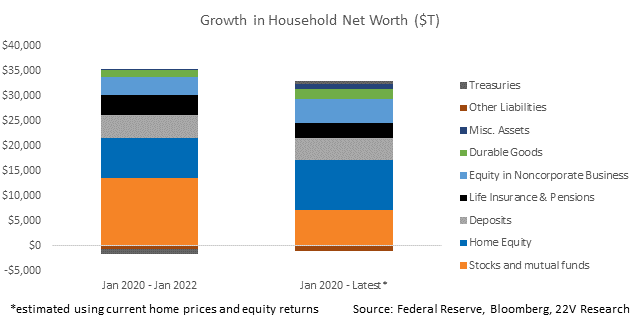
From the same report, growth in Household net worth is still substantial (~32 T$ since 2020) despite losses in corporate equities. While a Fed pause is still our base case, data do not suggest an accommodative Fed longer-term. That is why we are more focused on internal calls (Cyclicals, retail, destocking losers, small caps rebounding at the expense of Defensives) vs market calls. It is tough to see an easing of financial conditions now that drives the market meaningfully higher.
MARKET VIEWS: In our conversations with clients recently, we’ve heard more optimism about disinflation because of sources like Truflation.com and the Adobe digital Price Index (HERE), with help from lower commodity prices (oil was down -4% yesterday, a 3rd %tile move). And investors expect a soft core CPI reading today and a risk-on market reaction (HERE). That’s all helped the soft-landing narrative and the average stock start to catch up to mega caps in the last week (more HERE). Risk-on factors had a positive return again yesterday (though mega caps outperformed again too).
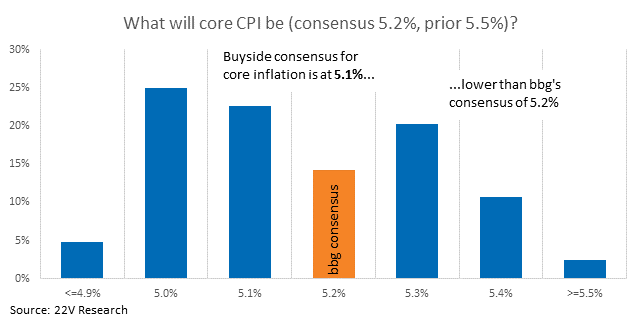
We don’t have an edge on what today’s CPI will print. FYI the Fed is looking at Core services ex Auto and Shelter, so used car price swings and rents will not be a factor. FOMC officials need to see lower core services (ex shelter and auto) inflation if they are going to let financial conditions ease in the future. Maybe today’s data will support the soft-landing narrative that is being built. We don’t see a reason to push back against that narrative right now. BUT, some other data this week is not encouraging for the longer-term outlook, starting with wages. Atlanta Fed’s wage growth tracker is still too high, likely because the labor market is too tight.
As Gerard pointed out in an important report yesterday (HERE), bank credit availability has contracted, but consumer reliance on credit has decreased. The latest Financial Accounts report reveals a significant decline in household reliance on credit. The data suggests that consumer spending is not particularly fragile. Despite ongoing tightening measures and a limited flow of credit support, consumer spending remains stable.
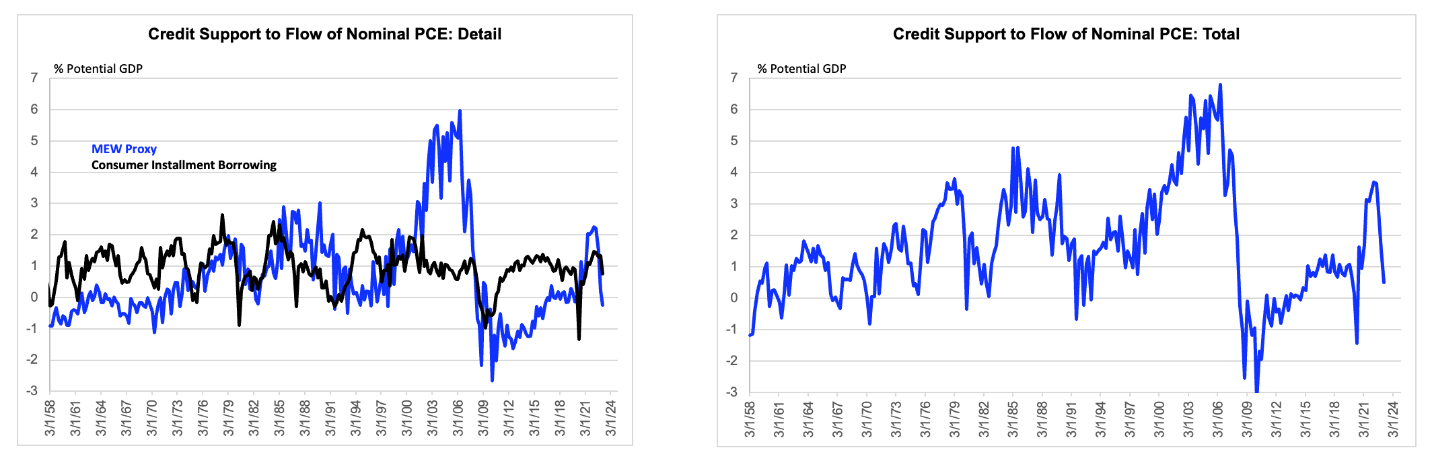
Source: Federal Reserve, CBO, NBER, FH calculations
Data are actual to Q1.
From the same report, growth in Household net worth is still substantial (~32 T$ since 2020) despite losses in corporate equities. Growth in home equity and equity in noncorporate businesses have compensated for the losses in equities, life insurance, and pension funds. While a Fed pause is still our base case, data does not suggest an accommodative Fed longer-term. This is why we are not constructive on the market longer-term, sticking with our rangebound call.
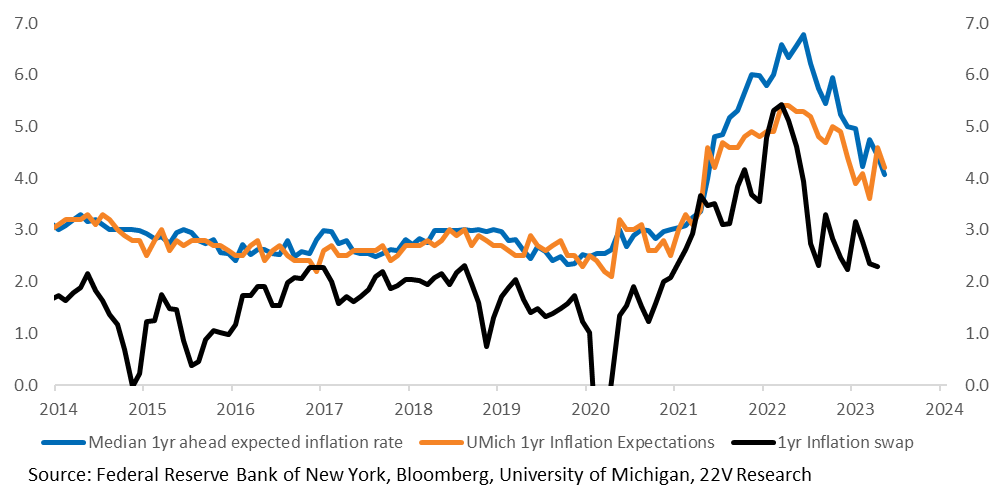
The hope is wages can move lower without significant economic pain. Some economists have pointed to the abnormal increase in short-dated inflation expectations as the reason for persistent wage increases. Short-dated inflation expectations in NY Fed’s consumer survey fell again yesterday. Since it’s unclear what is driving wages, the drop in inflation expectations could be significant. Wages are the focus now, and continued wage disinflation would be helpful towards the market breaking out.
FYI, according to our survey work (HERE) investors do not think a soft CPI reading will persuade the Fed to be more accommodative. Our respondents expect the FOMC meeting/presser tomorrow will be risk-off. That helps explain some of the resilience in Quality Tech, which the latest BofA fund managers survey (HERE) and our own survey work (HERE) show a strong investor preference for.