
Our entire repository of COVID charts is HERE.
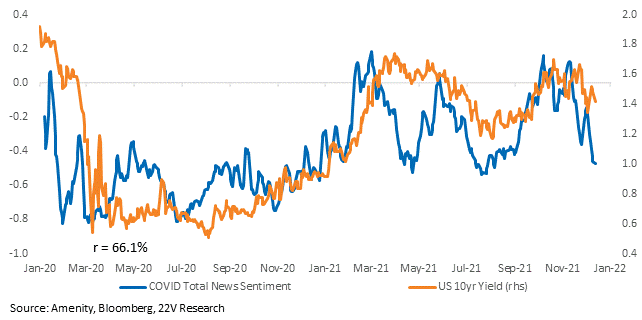
COVID death and hospitalization sentiment, measured with the Amenity natural language processor, sank last week. The 10yr is correlated with COVID news sentiment, so we have conviction 10yr yields are being dragged down by Omicron fears. Omicron will remain a headwind to 10yr yields until we get more definitive and positive data about transmissibility, hospital admission rates, and length of stay. We are a few weeks out from definitive data. Side note, South Africa’s situation should not necessarily be extrapolated to the developed world. We recommend focusing on the UK instead because the UK is developed, publishes clean and timely data on Omicron prevalence, case growth, hospitalizations, deaths, and demographic breakdown of rates and absolute numbers of each (more on all that HERE). But the UK is earlier in its Omicron wave. Additionally, there is no guarantee that the data will be positive once it is clearer.

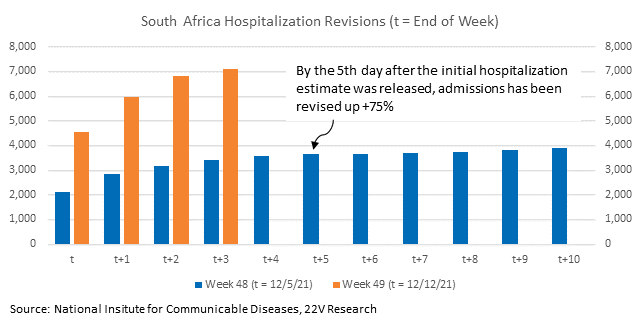
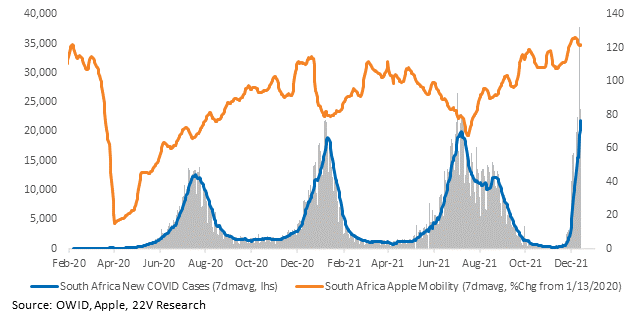
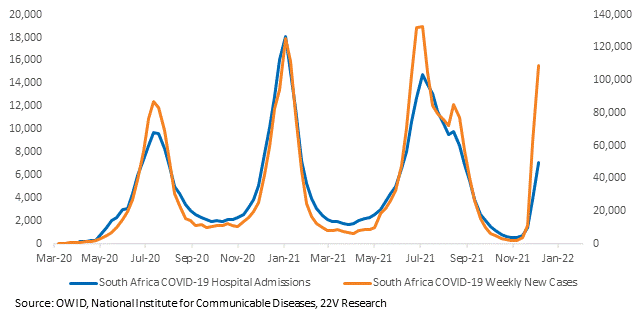
The deterioration in sentiment about severity is consistent with the revisions of South Africa’s hospitalization data. Hospital admissions for one week are revised meaningfully higher late into the next week. Hospitalizations for two weeks ago are still being revised today. Case growth is not, so measures of severity increase.
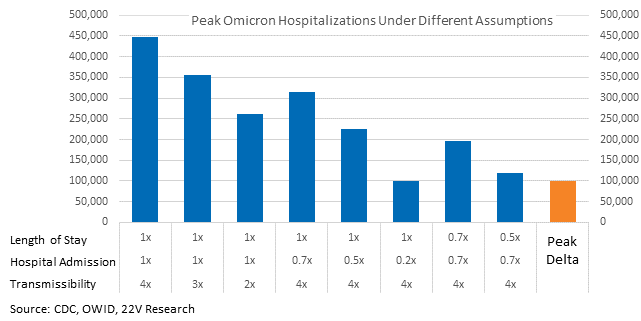
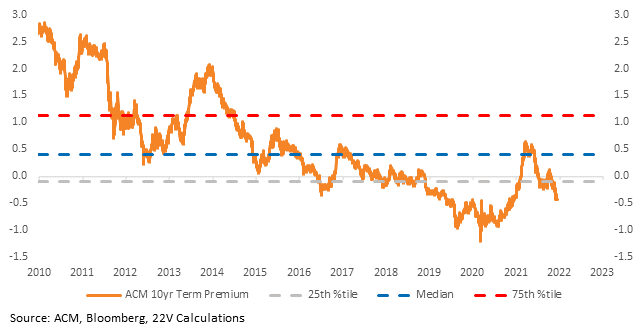
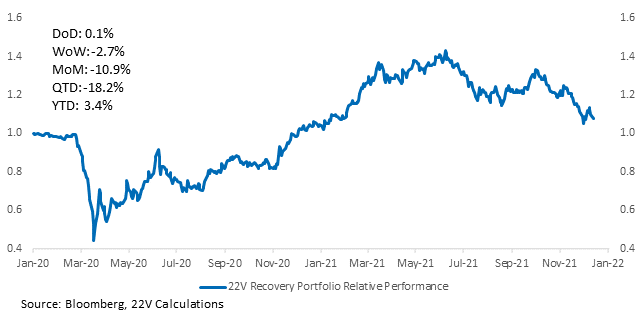
Yesterday we ran through a number of hospitalization scenarios based on different estimates of transmissibility, hospital admission rates, and lengths of stay (check it out HERE). The net result was to illustrate the incredibly wide range of peak hospitalizations based on changes in assumptions of metrics we cannot currently estimate with any reliability. This is why the term premium has dropped, 10yr yields have fallen, and our Recovery Portfolio has underperformed.
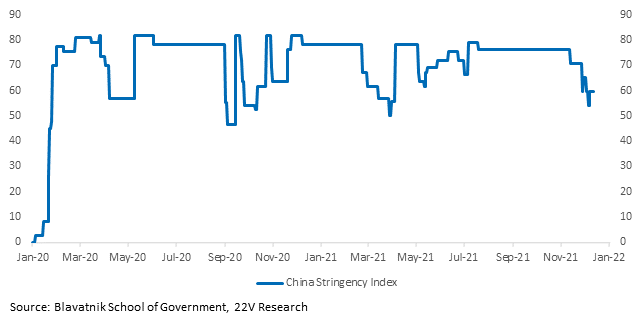
A Hong Kong study concluded Sinovac doesn’t provide an adequate shield against Omicron. Preliminary data based on a very small sample (20 people) suggests boosters help. The data is consistent with findings from studies about other vaccines. The Hong Kong study did not test protection against severity, but China is, as of right now, still committed to its zero-COVID policy anyway. Omicron cases were confirmed in the country yesterday. A widespread Omicron wave threatens lockdowns that could disrupt the economy. We cannot predict whether China will adjust its zero-COVID policy under such strain. Instead, we can track restrictions using Oxford’s stringency indices.
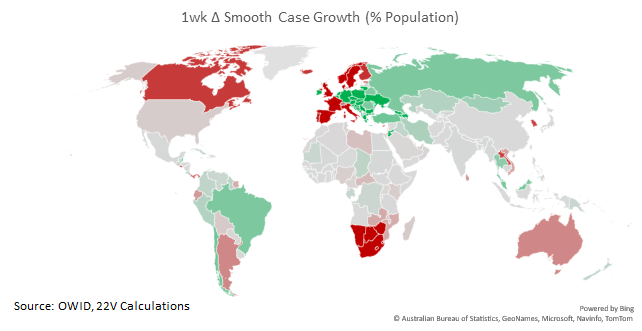
Global case growth is concentrated in developed Europe, North America, and Africa.
Case growth is higher in South Africa and all its neighbors. Like we discussed above, hospitalizations continue to be revised higher
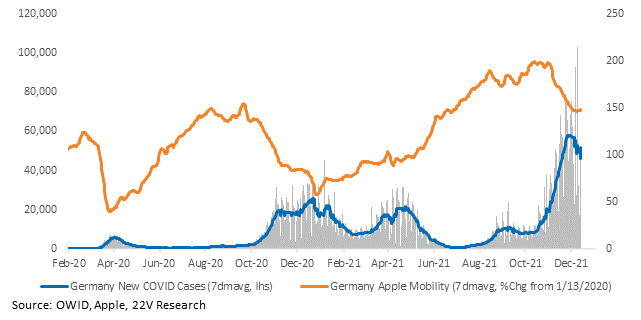
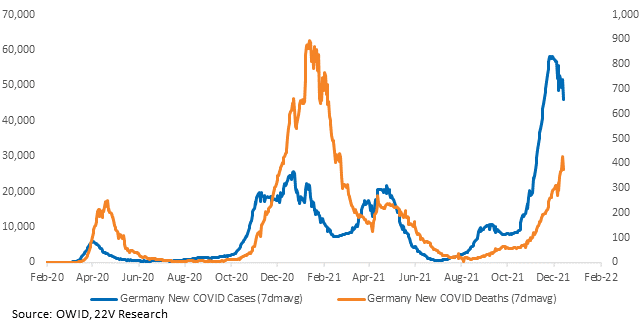
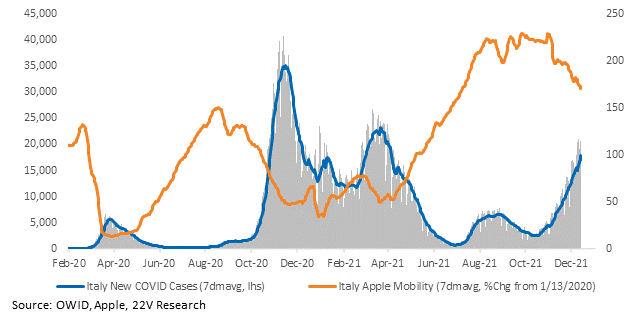
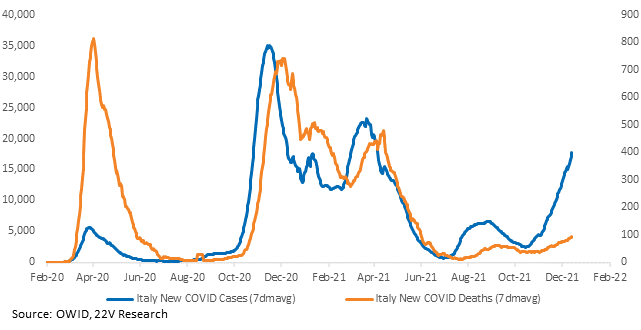
Germany’s case growth is decelerating. But this is in front of a possible Omicron wave. Other developed European countries, like Italy, still have increasing daily case counts. Mobility is down.
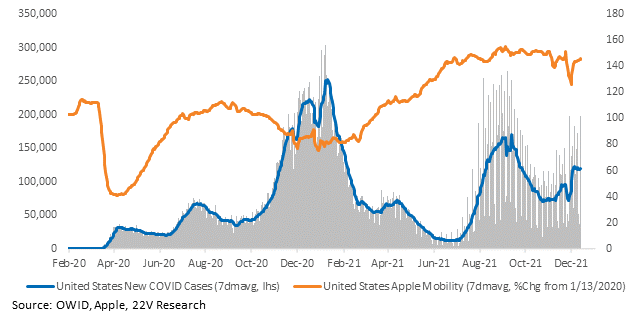
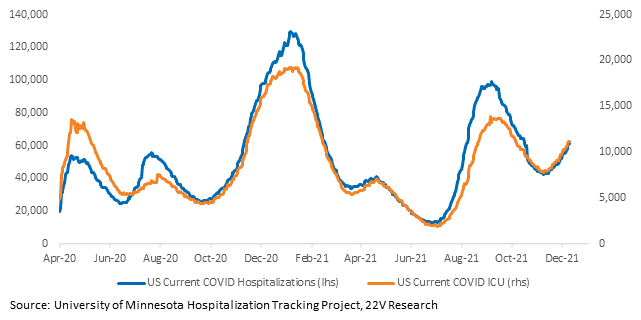
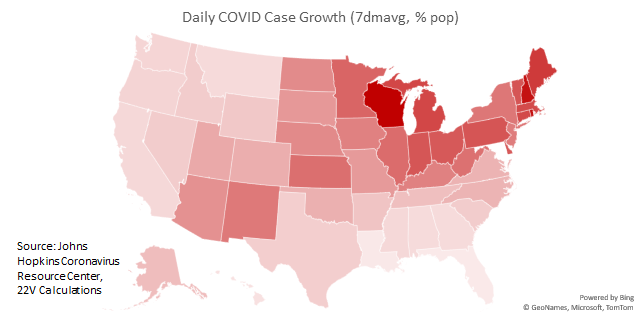
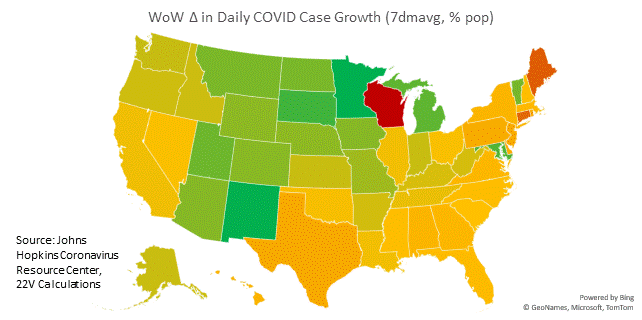
Case growth in the US is volatile but stagnant. Mobility is still elevated. Hospitalizations and ICU admissions are both higher. Case growth is highest in the Midwest, Northeast, and parts of the Southwest. Growth rates are now worse on the West Coast, Southeast, and Northeast.
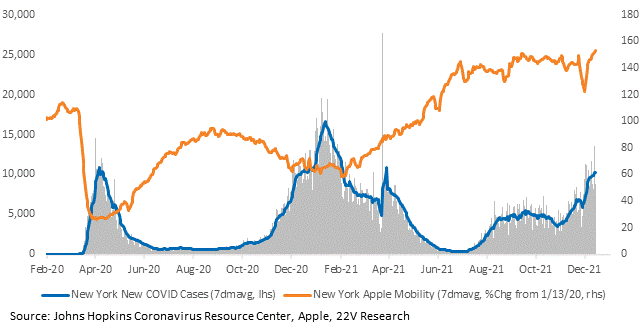
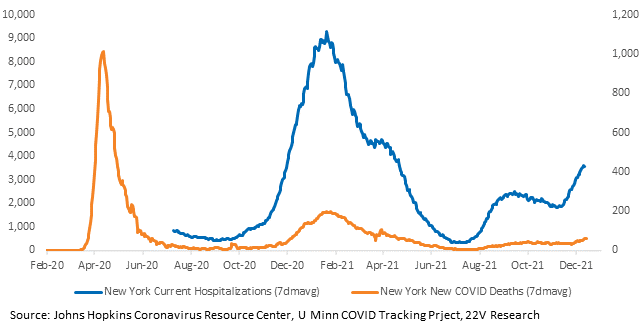
Charts for every state and country we have data for are HERE.

