
Our entire repository of COVID charts is HERE.
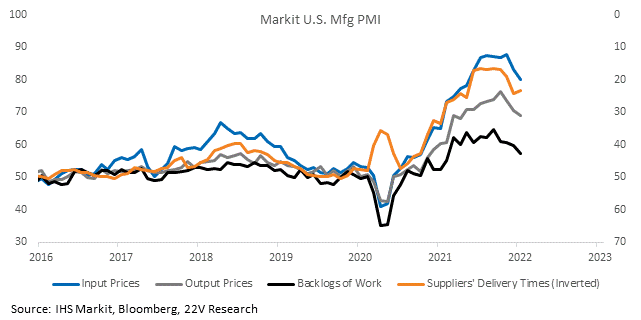
U.S. Markit and ISM manufacturing PMIs (both released today) indicate a general improvement in supply chains in January, despite Omicron. The general trend of the backlog of orders, prices, and delivery times is towards normalization. Prices did jump in the ISM, but that series is more volatile and prices moderated within the Markit PMI. The moderation in supply chain components is a modestly good sign for goods deflation. But other data series, like the regional Fed PMIs, do not reinforce the improvement. The headline readings and other components suggest the Omicron soft spot wasn’t very soft. As we mentioned this morning, fundamentally that’s good for the economy but it implies the Fed will have to push harder to slow economic activity.

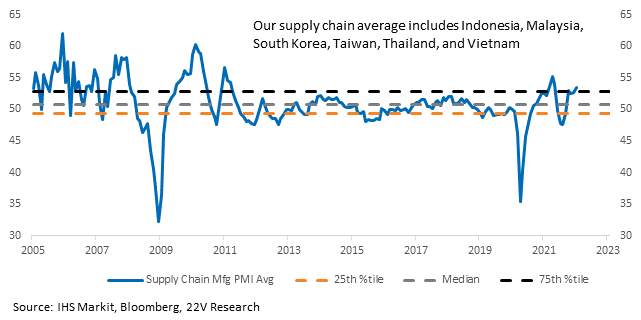
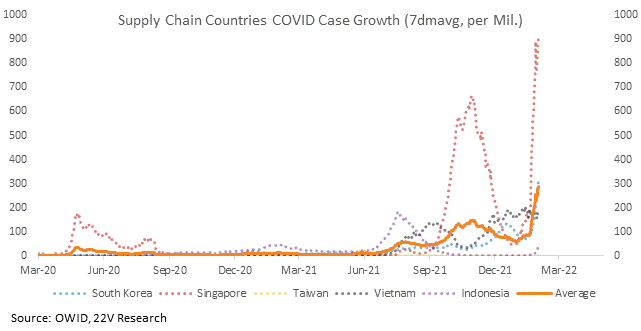
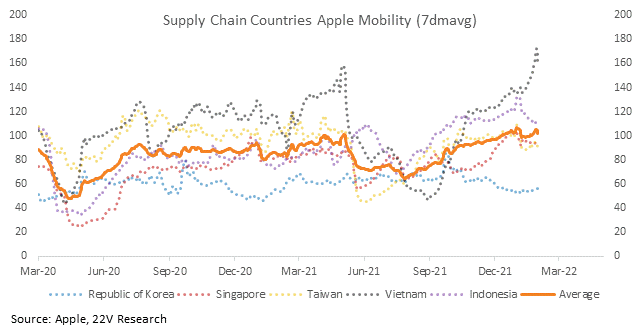
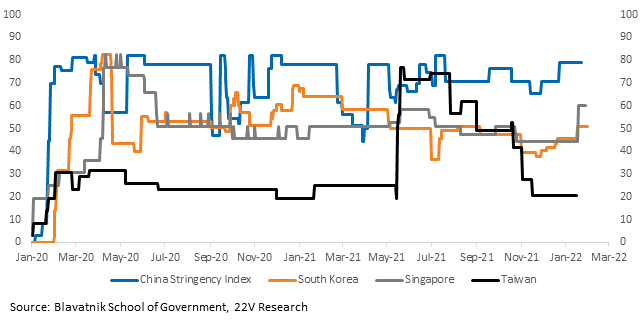
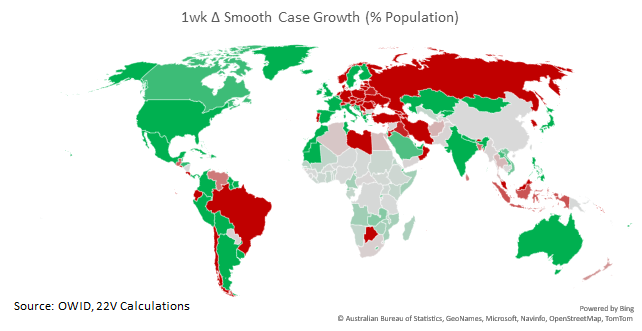
Manufacturing PMIs in important supply chain countries increased in January. Case growth in the area, however, is increasing. Mobility has stayed resilient while restrictions have increased in South Korea, Singapore, and China over the past month. We will continue to monitor this to gauge the threat to supply chains, which could in turn delay goods deflation.
The U.S. is in good shape; case growth is lower almost everywhere, hospitalizations are decreasing, and mobility is increasing. Deaths in New York are extremely low relative to case growth.
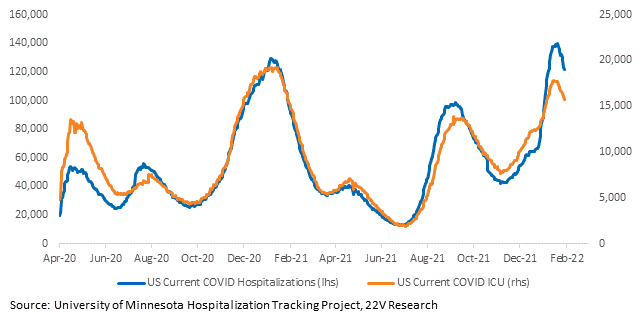
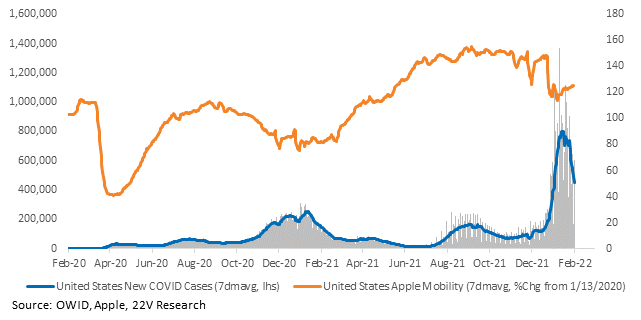
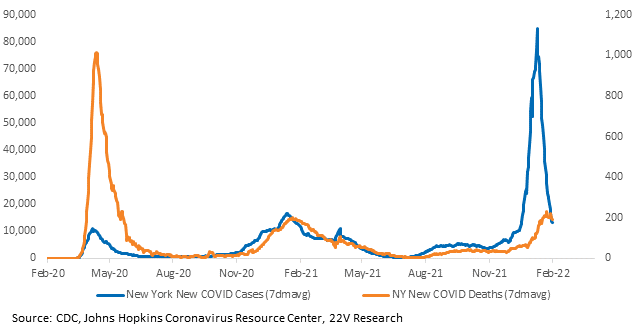
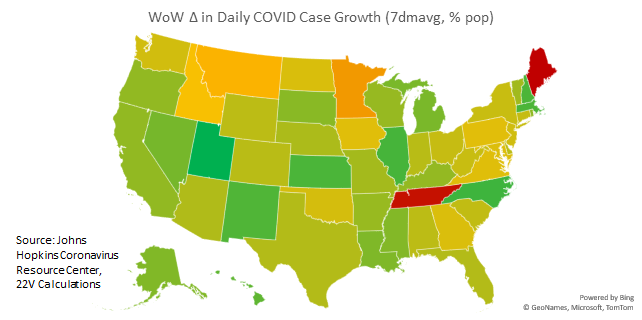
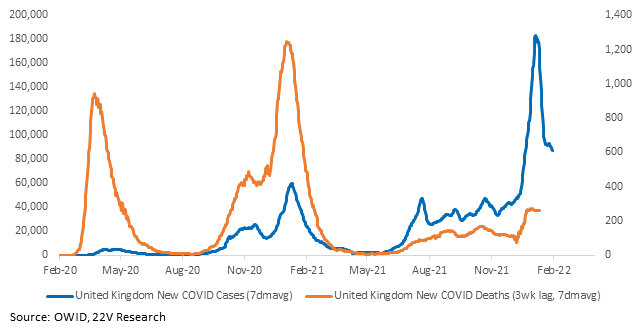
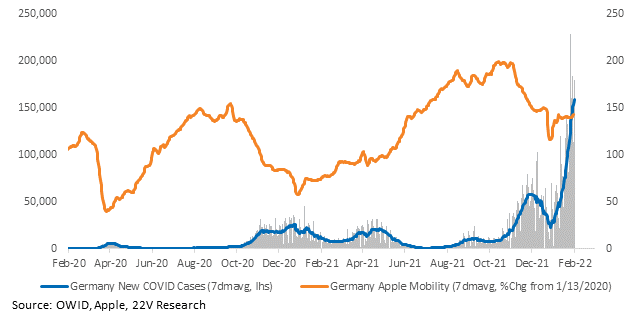
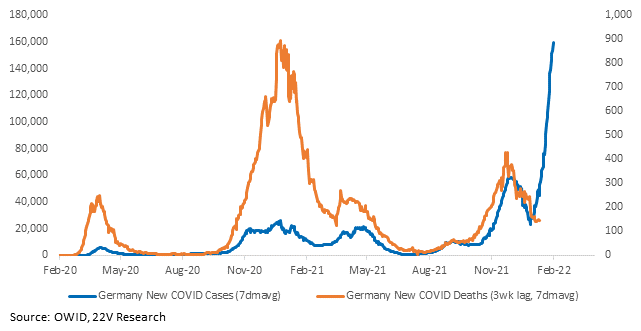
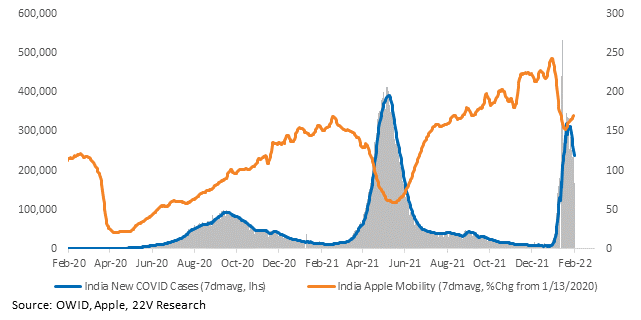
The UK’s COVID trends are very good; deaths are low relative to cases there too. Germany’s case growth continues to accelerate. But protests are breaking out against restrictions and some states are easing rules (see more HERE). Deaths over the coming weeks will reflect the Omicron wave, but it’s unlikely Germany deviates from the path the UK and US followed. India is improving.
Every state and country we have data for are HERE.

