SUMMARY: Goods inflation turning into a deflationary impulse next year, China’s overhang AND the Fed now “tolerating” higher inflation will bias short rates higher while anchoring long rates. Yes, 10yr yields are higher today on China stimulus news. But don’t expect a rebound in 10yr yields unless the growth backdrop in China improves significantly.
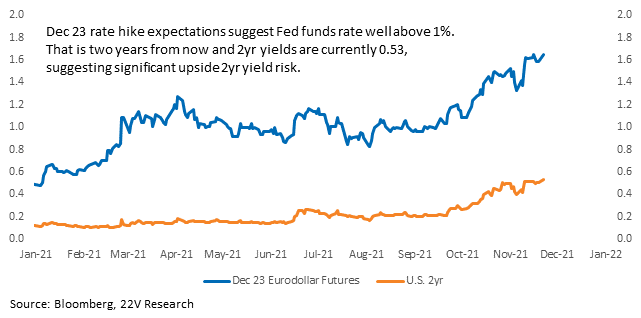
Which gets to the curve flattening and an underappreciated point. As Gerard notes, core PCE is headed to the 2.5% range in 2022, despite goods deflation, as the dramatic increase in rents will likely prevent core PCE from falling back to the Fed’s 2% target. With the recent burst of inflation leading to a 2% trend inflation rate for the past 7 years, the Fed is no longer hoping for above 2% inflation (the fed willingness to let inflation run hot was premised on averaging 2% inflation over a cycle and seven years is a long time). The Fed’s tolerance for above 2% inflation should be lower, especially with the U.S. economy nearing full employment with an upward bias to wages. Keep in mind that the last Fed projection (SEP) suggested the funds rate needs to go to 2.5% if the labor market achieves full employment and inflation is at target. Short rates are headed higher and that is a support for Banks with record deposit levels.
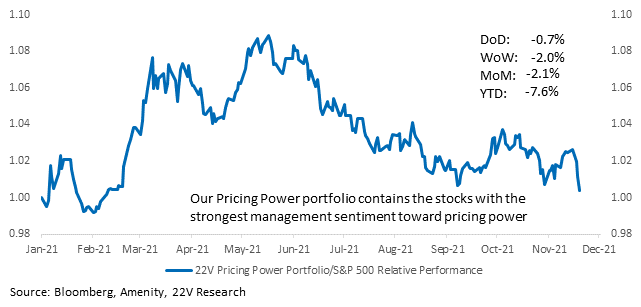
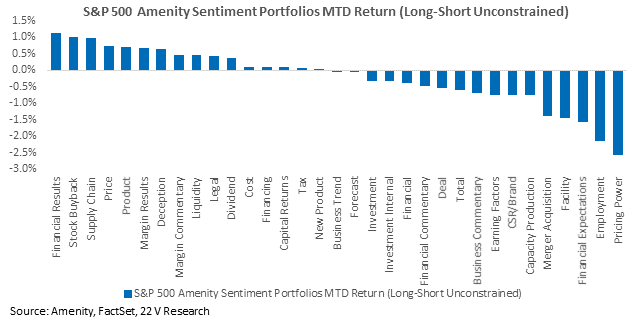
As noted in a Quant report this morning, this month has been a mix of safety and idiosyncratic returns. Financial Result, Stock buyback and Supply Chain sentiment baskets have been top performers MTD, while Pricing Power and Employment sentiment baskets have been underperformed. Expect that trend to continue as U.S. demand is strong and supply chain bottlenecks ease, but inflation uncertainty remains high. The 22V pricing power index has collapsed indicating goods deflation is being priced in.
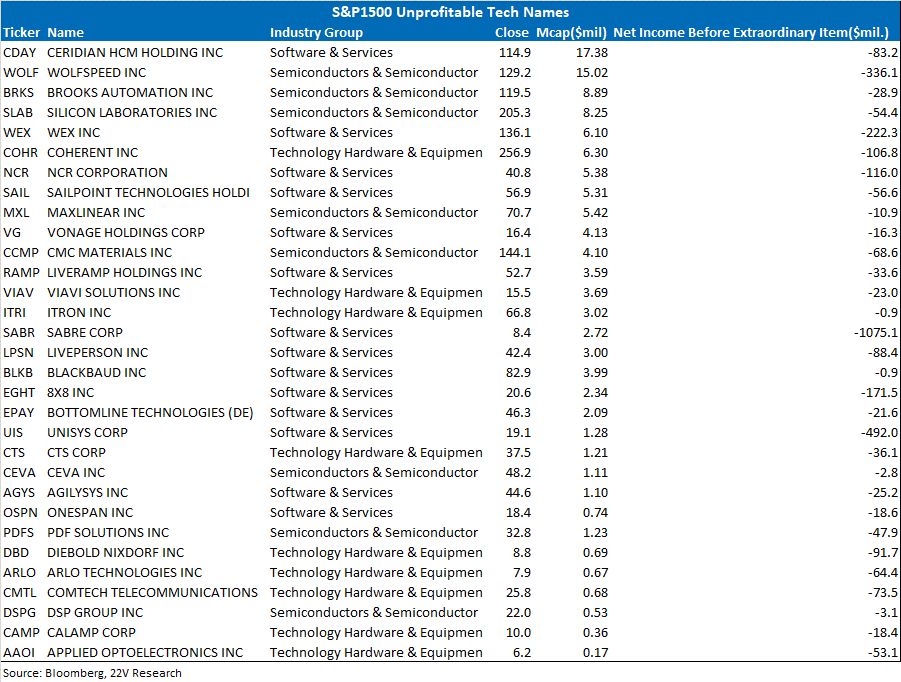
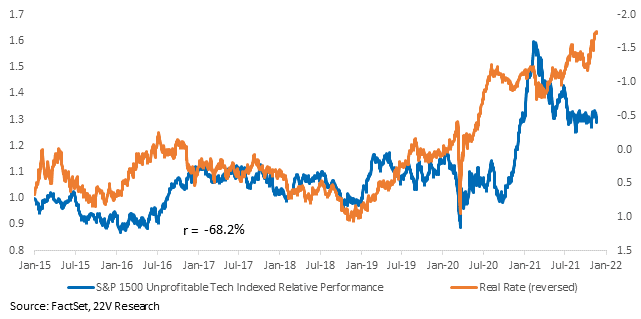
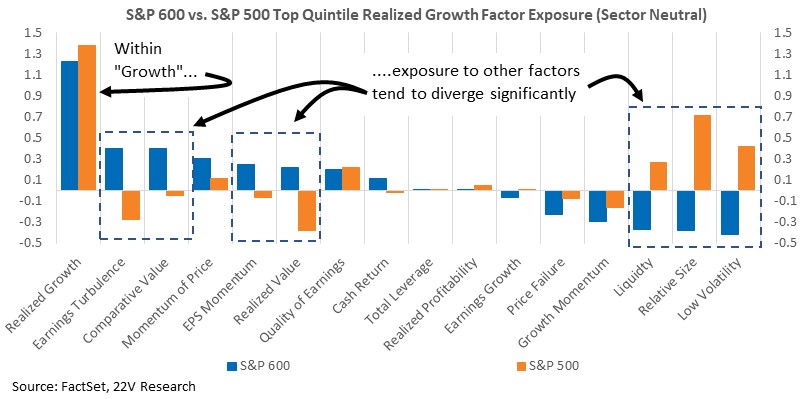
We have witnessed a break in the relationship between unprofitable tech and real implied yields. This likely has to do with the sensitivity in the riskier unprofitable tech names to unusually high macro uncertainty and the bias higher in short rates. Relative to large cap growth, small cap Growth and unprofitable tech tend to have much higher Earnings Turbulence, Value, and Momentum rankings. They also tend to be higher volatility with weaker liquidity. Those are risk-on factors that are not well positioned for a period of uncertainty.
Full report below….
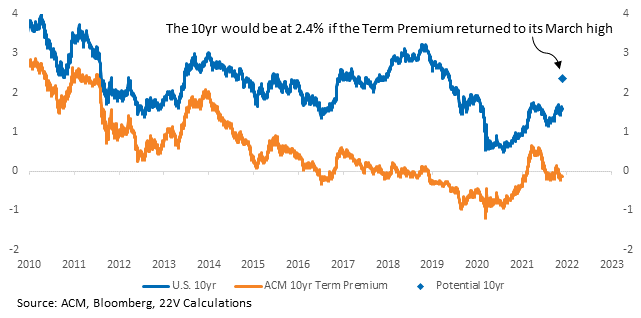
MARKET VIEWS: COVID related lockdowns and China growth concerns helped anchor UST yields last week, but yields are higher today after the PBoC signaled easing is coming. Chinese Premier Li Keqiang noted that China faces many challenges to keep the economy stable. A significantly improved China outlook is likely needed before the yield curve steepens meaningfully. The combination of goods inflation becoming a deflationary impulse next year, China’s growth overhang AND the Fed being less willing to tolerate higher inflation biases short rates higher while anchoring long rates. Uncertainty about growth in China helps anchor long rates by keeping the term premium anchored. Lower global economic uncertainty would push the 10yr higher.
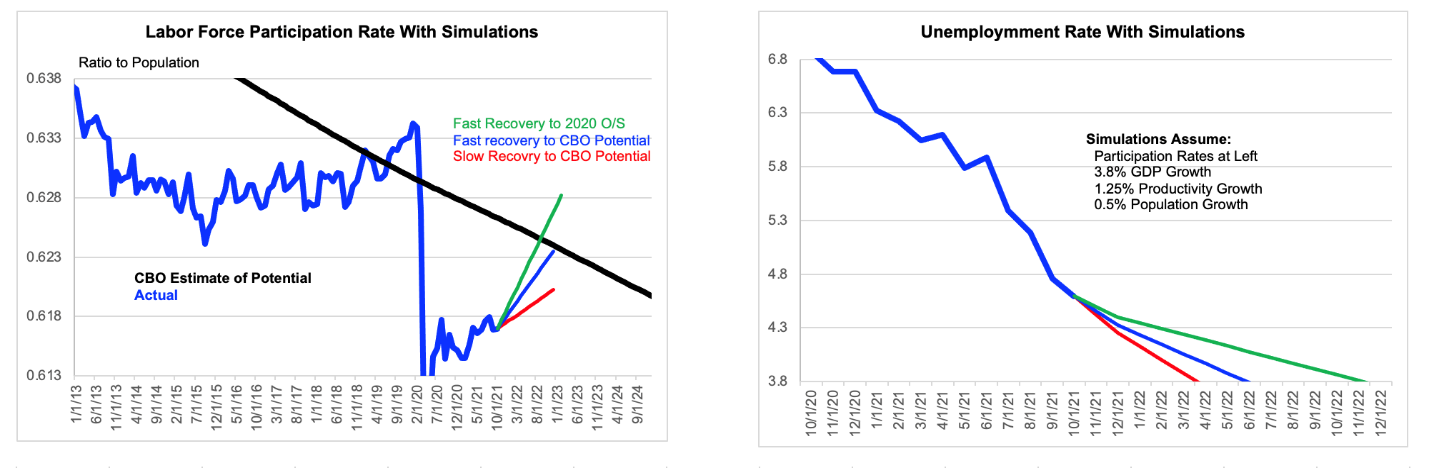
This point is important and not appreciated. As Gerard has highlighted, core PCE is headed to the 2.5% range in 2022, despite goods deflation, as the dramatic increase in rents will likely prevent core PCE moving back down to the Fed’s 2% target. With the recent inflation burst leading to a 2% trend inflation rate for the last 7 years, the Fed is no longer hoping for above 2% inflation (remember the fed willingness to let inflation run hot was premised on averaging 2% inflation over a cycle. 7 years is a long time). The Fed’s tolerance for above 2% inflation should be lower, especially with the US economy nearing full employment with an upward bias to wages. The chart below highlights different paths to full employment based on different participation rate assumptions. We are getting to full employment next year, it’s just a matter of how quick.
Keep in mind that the last Fed projection (SEP) suggests the funds rate needs to go to 2.5% if the labor market achieves full employment and inflation is at target. Short rates are headed higher and that is a support for Banks with record deposit levels.
As noted in a Quant report this morning, this month has been a mix of safety and idiosyncratic gains. Financial Results, Stock Buyback and Supply Chain sentiment baskets have been the best performers, while Pricing Power and Employment baskets have declined. Our Pricing Power sentiment list has fallen sharply as well, indicating easing of the emphasis on pricing power. Safety trades (FAANG, which is mostly AA or AAA rated names) and companies that benefit from strong demand and improving supply chains should continue to benefit.
Below is a chart of our pricing power basket. It helps illustrate the point that supply chains are likely easing. Unless the COVID situation gets much worse (COVID surge leads to resurgence of supply issues), pricing power faces headwinds near term issues.

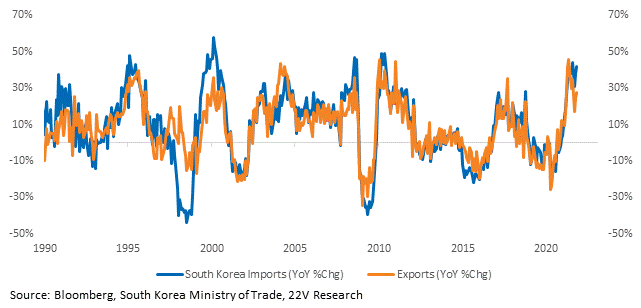
Don’t look at pricing power coming under pressure as a demand issue though. Companies that benefit from improving supply chains have outperformed and US demand is very strong. South Korean exports for the first part of November surged AGAIN. That is consistent with strong developed world demand.
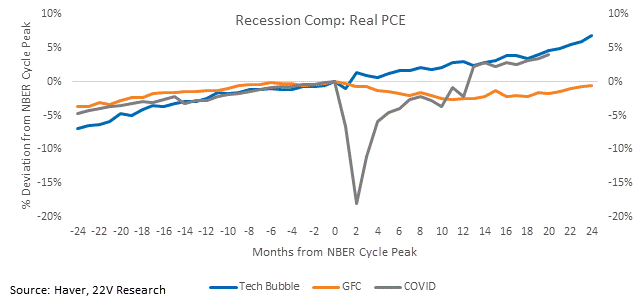
Also…. while many investors are assuming a mean reversion in consumer spending to pre-GFC trends, it might be that unusually large consumer tailwinds (positive flow of savings, unprecedented wealth effect, strong wage growth and strong housing backdrop) are leading to a level of spending that is more consistent with the post-TMT bubble period.
Not all growth stocks benefit from the current backdrop though. We have witnessed a break in the relationship between unprofitable tech and real implied yields. This likely has to do with the sensitivity in the riskier unprofitable tech names to macro uncertainty and the bias higher in short rates.
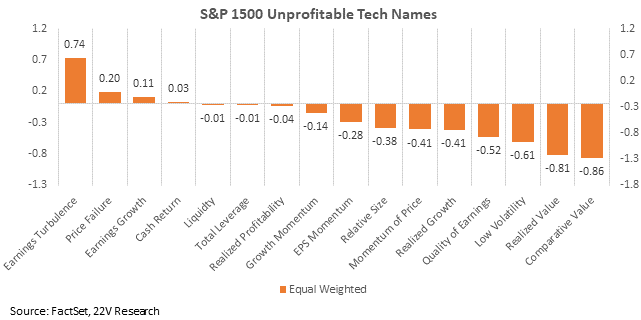
The current basket of unprofitable Tech is more exposed to Earnings Turbulence and Price Failure, which is an issue as macro uncertainty increases.
Same goes for small cap growth in general. Relative to large cap growth, small cap Growth tends to have much higher Earnings Turbulence, Value, and Momentum rankings than large cap Growth Tech. They also tend to be higher volatility with weaker liquidity.
Below is the current basket of Unprofitable Tech names. These names remain at risk.