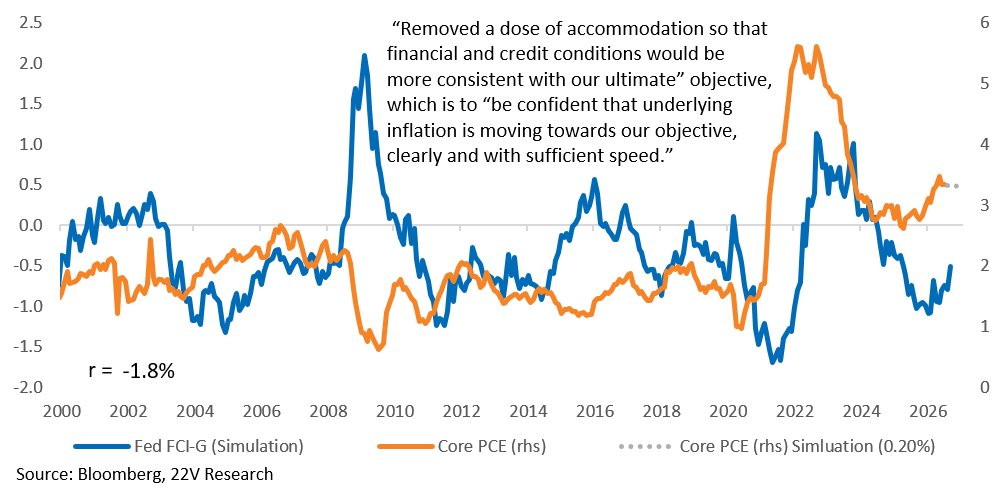
DAILY STRATEGY: Financial conditions have become LESS EASY by ~60bp (more HERE). Less easy means the current level of FCI is less of an IMPULSE to GDP growth over the next 4 quarters. The SPEED of the recent tightening in financial conditions is potentially enough to slow consumer spending growth from the 3.2-3.5% trend to something closer to expected real income growth of 1.5-2%. That is why we are less interested in being long 10yr yields FROM HERE and expect 10yr yields to be in a 5.2-4.8% range.
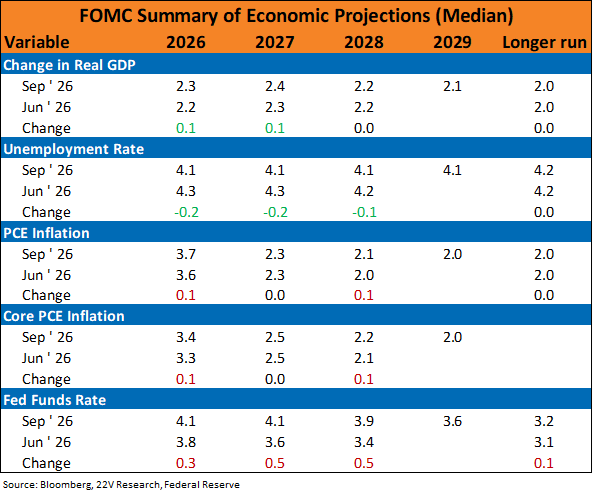
The above assumes consensus, which are similar to the Fed’s (below), economic forecasts are roughly inline with results between now and year-end. Core PCE Coming in above the 3.4% estimate for 2026 and the unemployment rate declining below 4% (year-end 26 estimate 4.1%.) would lead to higher UST yields than we are calling for. The estimate is for a 4.1% unemployment rate this Friday.
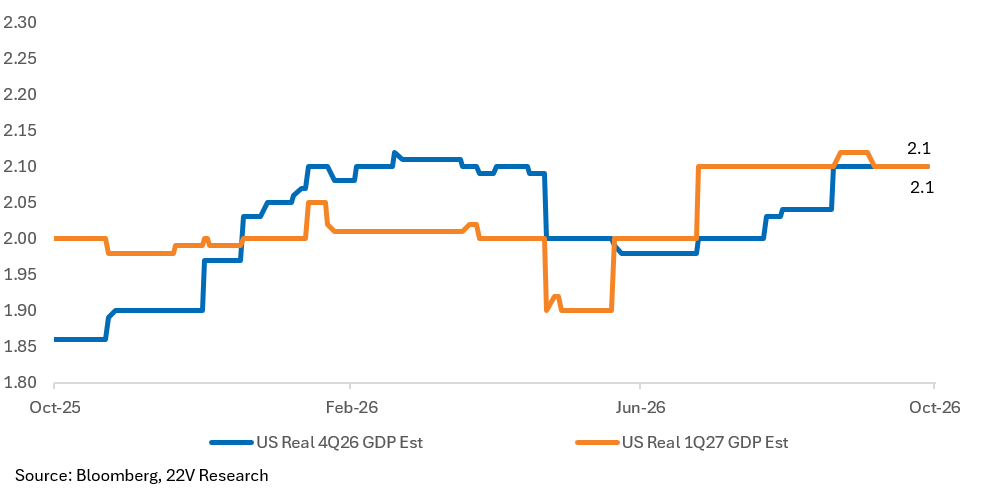
Consensus expectations for GDP growth show a downshift to ~2% real in 4Q26 and 1Q27. That would be closer to the economic speed limit. And limit the need for further rate increases in theory. Much stronger than ~2% GDP growth would put upside pressure on rates.
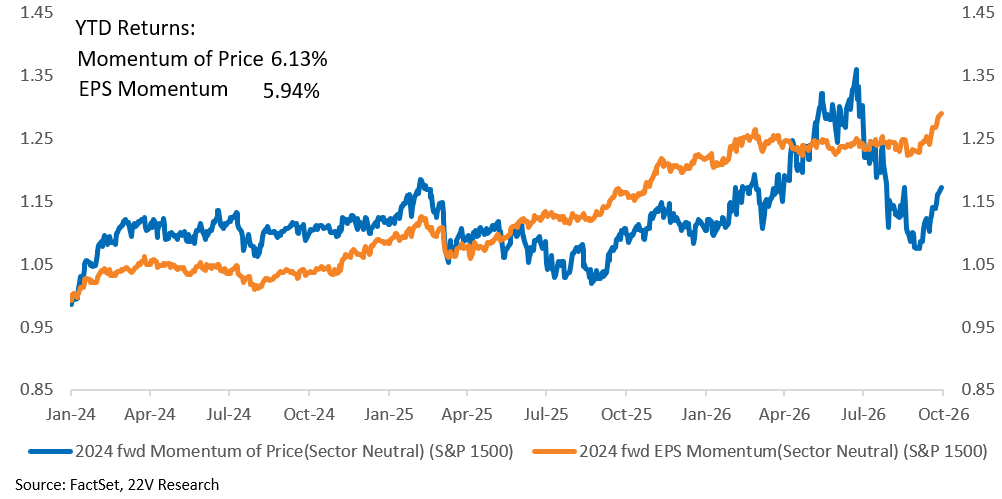
Price Momentum and EPS Momentum have been the two best performing factors MoM. We think 3Q EPS season, starting in a few weeks, will be a further catalyst for the Price Momentum factor (more HERE).
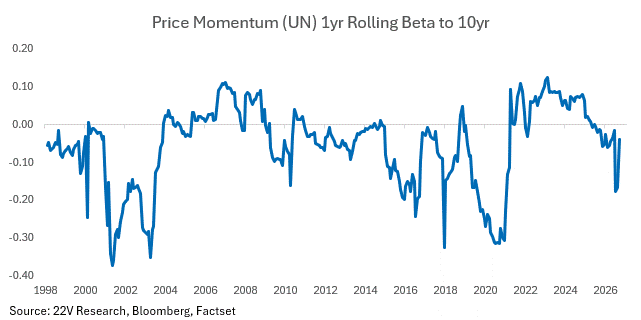
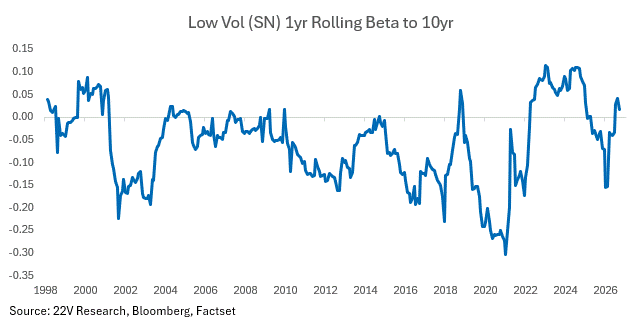
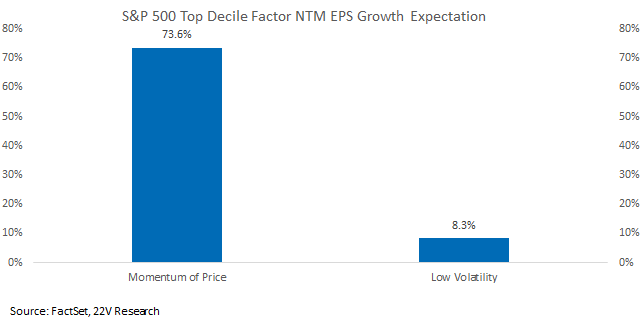
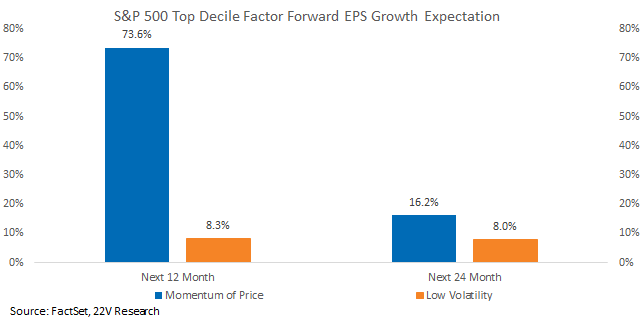
FYI, Low Vol and Price Momentum currently have a low and volatile beta to yields. Ordinarily, they are more rate sensitive because higher yields tighten financial conditions and increase recession risk, which is a tailwind to risk-off factors and increases the risk of a Momentum VAR shock. There is little increase in recession risk right now and the expected EPS growth for the price Momentum baskets is SIGNIFICANTLY stronger than for the Low Vol basket. i.e. the idio is currently more important than the macro. That would change if recession risk increased materially. Recession risk could increase materially if 10yr yields move quickly above the ~5.5% level. We remain long the Price Momentum and EPS Momentum factors.
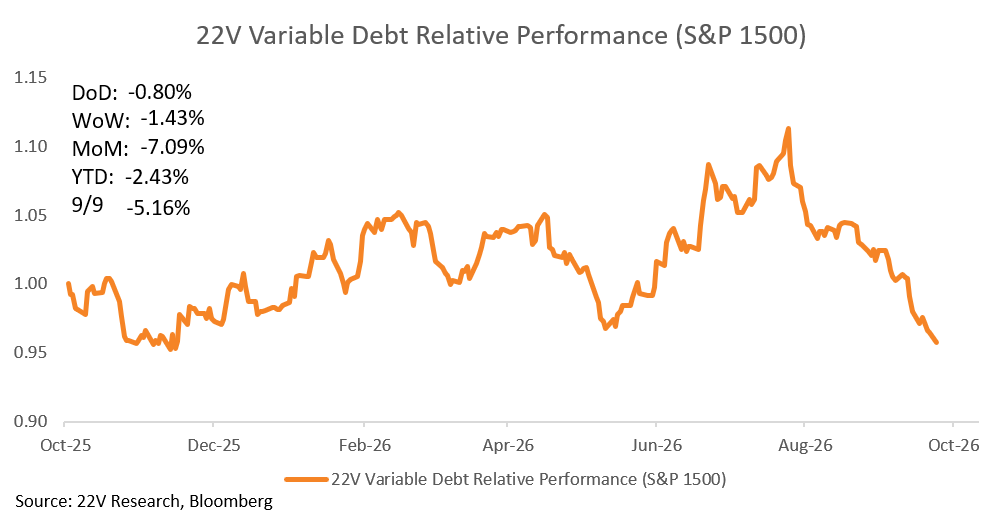
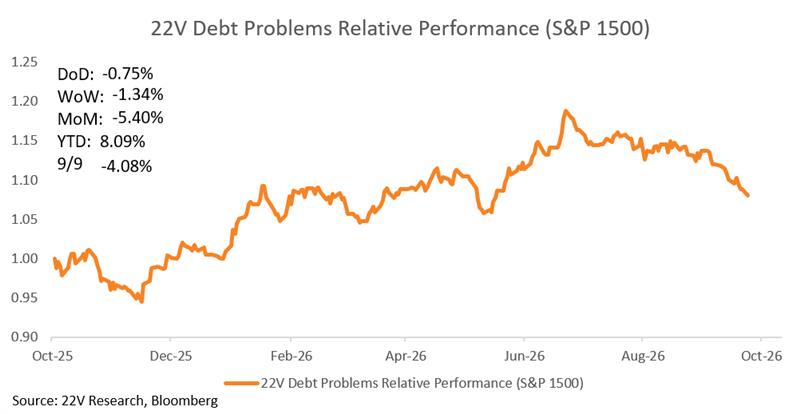
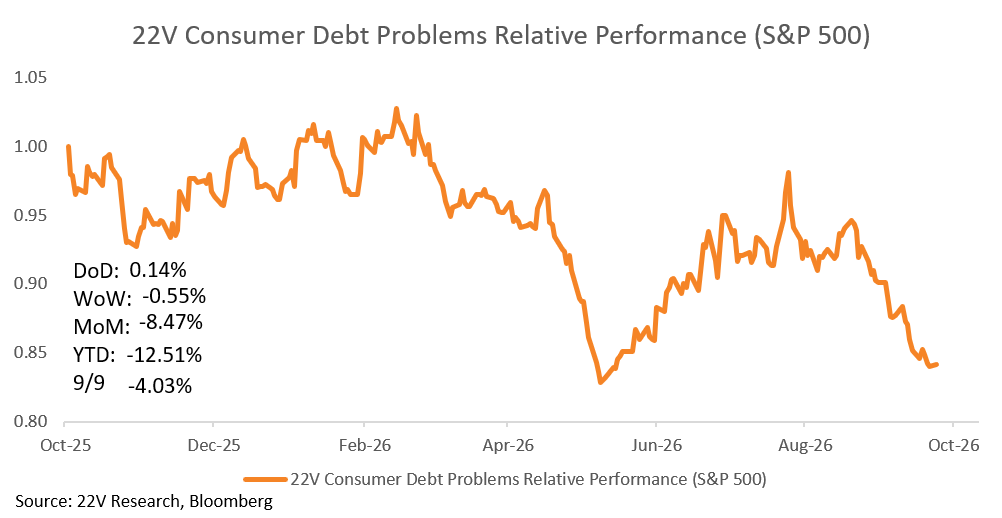
The current level of rates is a headwind for companies with high exposure to variable rate debt, small caps and the liquidity factor. Variable rate debt represents 38.9% of small cap debt (excluding Financials), compared with 10.5% for large caps, helping explain small cap relative weakness. The Liquidity factor has unusually high exposure to variable rate debt (25% of debt of companies is the liquidity factor is variable. The most of any factor) and the Discretionary sector has the highest sensitivity to variable rate debt. We remain short Consumer stocks with high debt risk (MS22CDET on Bloomberg).
Charts…
Keep an eye on how Core PCE and the urate track for the rest of 2026 vs the Fed projections.
A “dose of accommodation” has been removed and we don’t expect further tightening in FCI unless the baseline economic forecast come in better than expected.
Stay long Price Momentum and EPS momentum as the Fed slows economic growth. Both are expected to “a cyclical” AI trends.
The liquidity factor has significant exposure to variable rate debt and has underperformed. We can send the names in this basket.
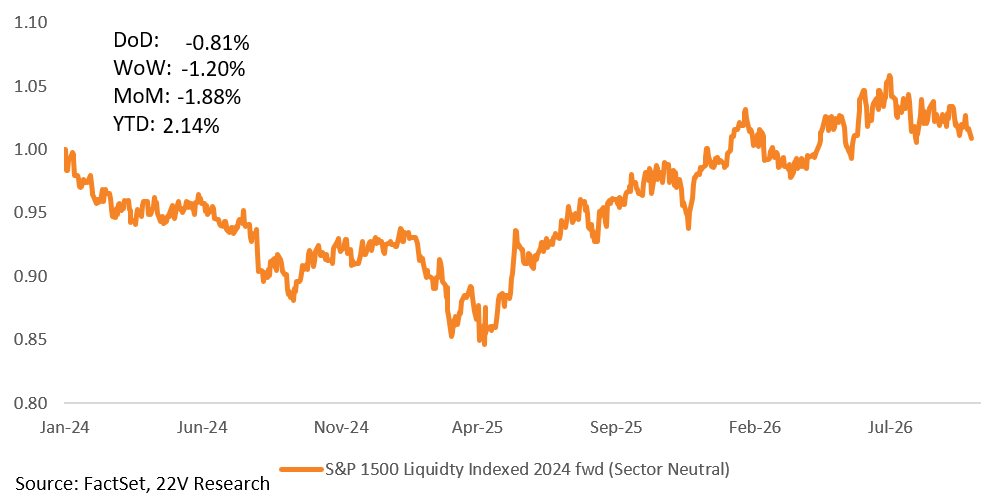
Variable rate debt risk baskets should remain under pressure.
FYI, Low Vol and Price Momentum currently have a low and volatile beta to yields. Ordinarily, they are more rate sensitive because higher yields tighten financial conditions and increase recession risk, a tailwind to risk-off factors and a potential reason for a Momentum VAR shock. There is little increase in recession risk right now, so they are bucking the historical trend given the unusually strong EPS growth for the price momentum factor relative to the Low Vol factor.