Bottom Line: Our Call
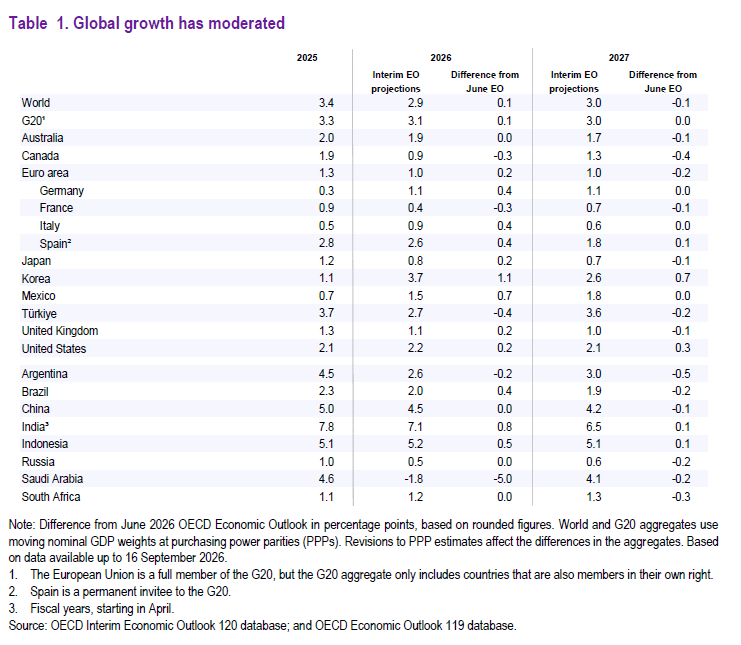
Our call is 10yr yields at around current levels WILL deliver a mild slowdown. That mild slowdown will increase the odds that the economic cycle extends and eventually be positive for equities in general but specifically for small caps, retail stocks, transports and industrials.
Relevant News: Near-Term Problem for Small Caps
Mega-cap/AI leadership has continued to weigh on small caps, with the Russell 2000 underperforming the S&P 500 since August. The divergence has coincided with further weakness in S&P 500 equal-weight versus cap-weight performance, reflecting continued return concentration in megas. Given the historically strong correlation between the two relative-performance trends, sustained AI-driven mega-cap leadership remains a headwind for small caps near term.
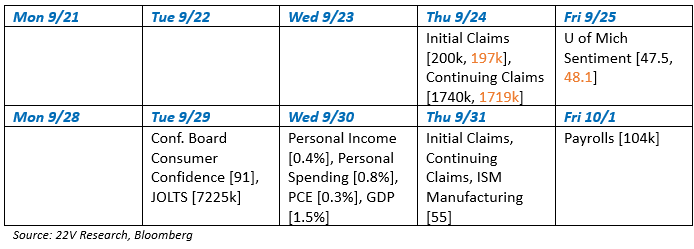
Things to Watch [Consensus, Results]:
Strategy:
The Market Risk is Economic Growth Not Slowing Enough to Respect the Economic Speed Limit + Weekly AI Update – (HERE)
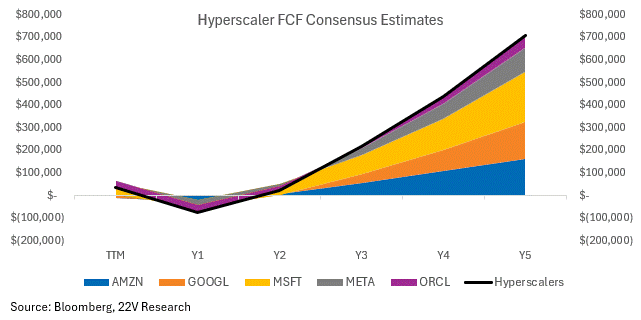
Hyperscalers (AMZN, GOOGL, MSFT, META, ORCL) have been some of the best performers within the AI stack recently. Uncertainty over the ROIC of the AI Buildout commands a higher risk premium, but consensus estimates still indicate strong fundamentals. FCF is expected to turn positive for the group by Y2, growing rapidly from there. We aren’t experts on whether consensus estimates will be right or not. Our point is that Hyperscalers are a difficult short when consensus estimates are for a good return on incremental invested capital from the AI buildout.
Europe:
The ECB Jobs Jockeying Begins Just as the German Economy Is Picking Up – (HERE)
The ECB leadership transition is accelerating, with Isabel Schnabel now leaving in January 2027 and Philip Lane and Christine Lagarde also scheduled to depart later that year. This makes a package deal for all three positions increasingly likely by year-end, with former Dutch central bank governor Klaas Knot and former Spanish central bank governor Pablo de Cos the two leading candidates for ECB president. Either would likely maintain the ECB’s current data-dependent but inflation-focused, mildly hawkish policy stance, meaning the leadership changes should result in little monetary policy disruption. Germany cannot realistically claim the presidency given its existing EU leadership roles, but Chancellor Friedrich Merz is likely to have substantial influence over the selection as Berlin enters negotiations from a relatively strong political and economic position. With Germany’s economy improving relative to France and Italy and negotiations over the next seven-year EU budget occurring simultaneously, the ECB appointments are likely to become part of a broader political bargain among EU leaders before year-end.