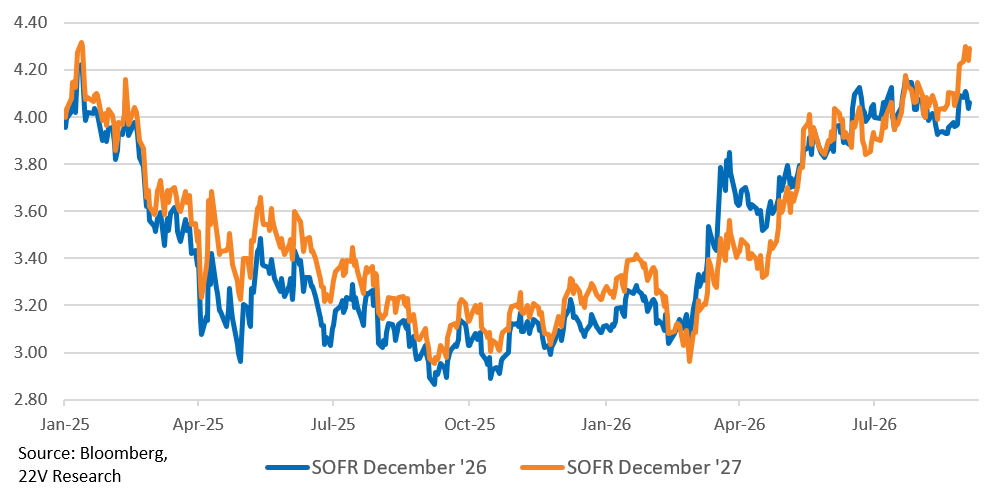
DAILY STRATEGY: As we noted late last week, economic cycle dynamics are driving 10yr yields (HERE) and the Fed funds rate end point (higher) that investors are discounting. The expanding US deficit, AI debt issuance, 6%+ nominal GDP and a 4.1% unemployment rate are all contributing to the increases. All these factors increase inflation RISK. That is why we are focused on cycle dynamics as the main driver of financial conditions. The Fed may or may not hike rates in September (current odds 62%), but stronger than expected labor market data tilts in the direction of financial conditions needing to be a bit more restrictive. December 2027 expected Fed funds rate is close to 4.25% because the direction of travel is toward slightly more restrictive policy.
FYI – If the CPI/PPI data this week suggests 0.3% Core PCE is likely in September, odds of a Fed rate hike will move back toward 70%.
Stepping back, strong payroll growth, a higher workweek and still-tame wages are a GOOD thing. They favor higher rates all else equal, but they also point to a higher economic speed limit (economic growth than can be above +2% real without inflation being a major problem)—and a higher speed limit is a positive for Earnings Growth. We are not negative on risk assets UNLESS CPI/PPI come in unusually hot.
The economy is growing at a pace that is still too strong though. Even if the economic speed limit has increased some. The Atlanta FedGDPNow Cast is running at 4.74% Real for 3Q26. The economy needs to slow, and the consumer is likely to lead a slowdown. With oil prices +$90 and UST yields marching higher, some consumer slowdown should be expected over the next 6-8 months. If consumption does not slow, rates have meaningfully more upside risk. Growth would likely remain too strong.
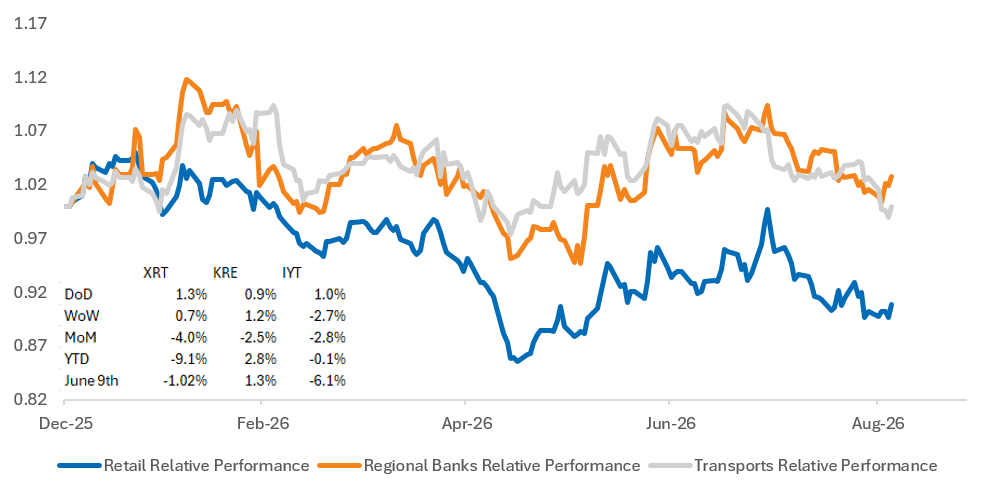
Consumer and Transport Headwind – Retail and Transports have struggled and that is unlikely to change in the near term as the consumer is likely to slow. Either the hard way (much higher rates) or the easier way (consumer spending moves slowly toward 2% from the current 2.5-3% pace). We had been long Retail and Transports but have backed off. It was wrong. Much lower oil prices and inflation are needed to re-engage the consumer names. Small caps face relative earnings and some FCI tightening risk near term as well (HERE).
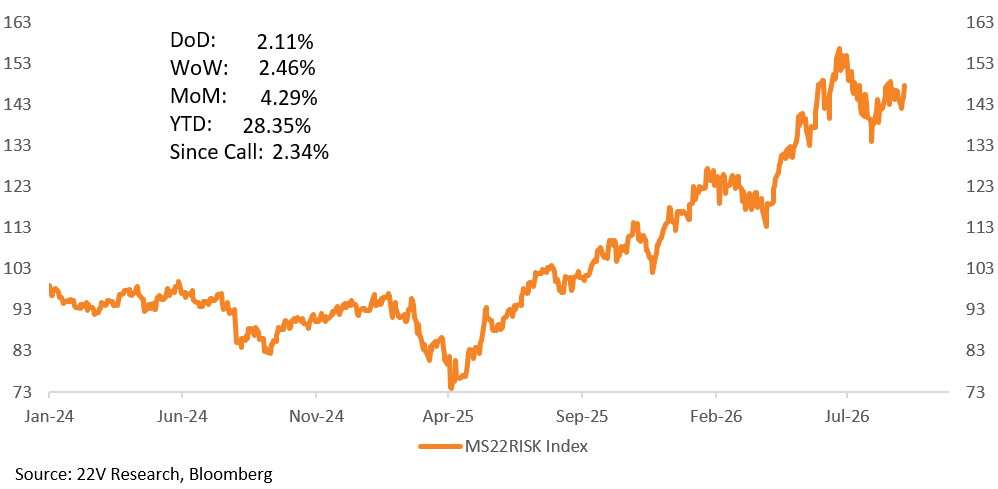
AI Services and Risk-On Factors are Outperforming – We are long risk-on factors since Aug 3rd (HERE) and that has worked well (MS22RISK is the long risk-on vs long risk-off factor ticker on Bloomberg). A bit more restrictive policy with unusually strong EPS growth is not a problem for risk-on factors longer term.
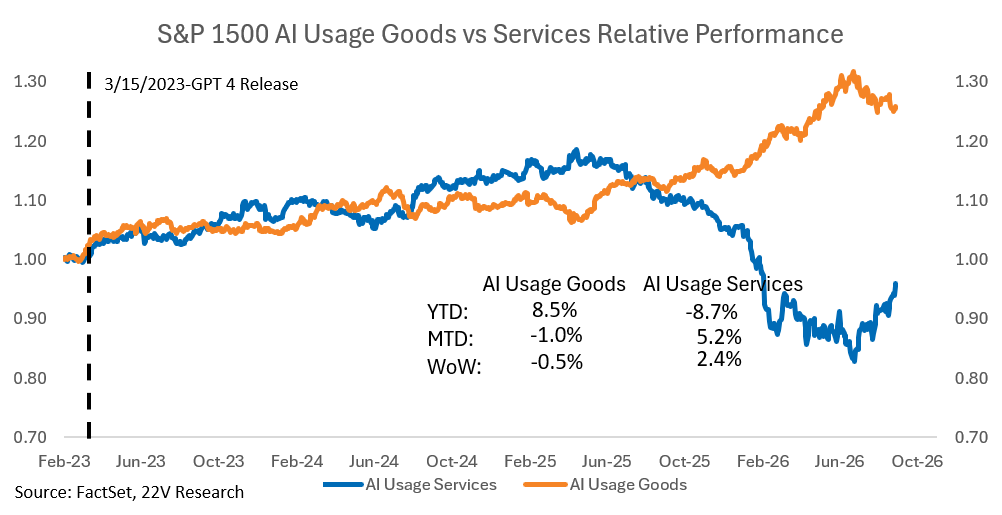
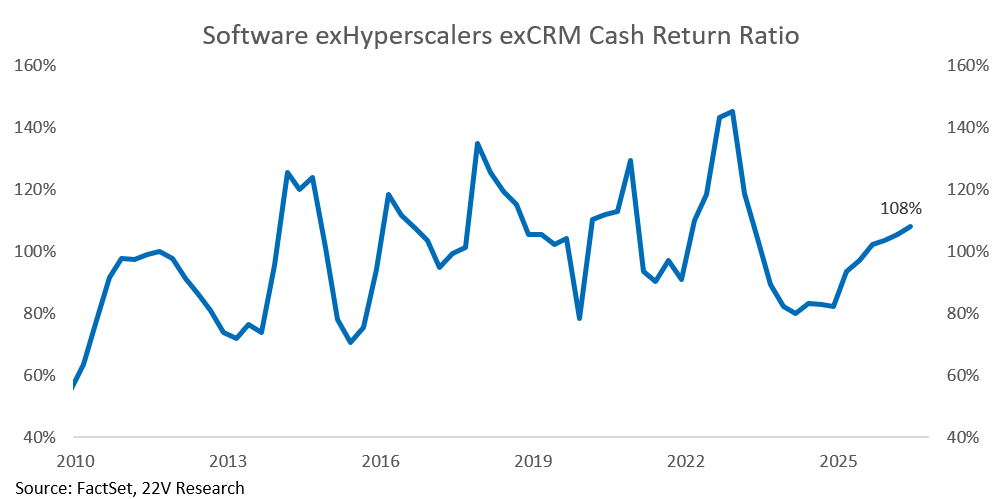
With index cash return still relatively scarce and the AI services basket less interest rate sensitive, we expect the high AI Usage service basket (MS22AISV on Bloomberg) to continue its significant outperformance (HERE). The basket is +7.9% in the last two months and was +2.4% WoW. Software names have a significant tailwind as well given cash return as a percentage of net income is above 100% for that group.
Charts…
Odds of a September hike increased from 51% to 62% post the payrolls data.
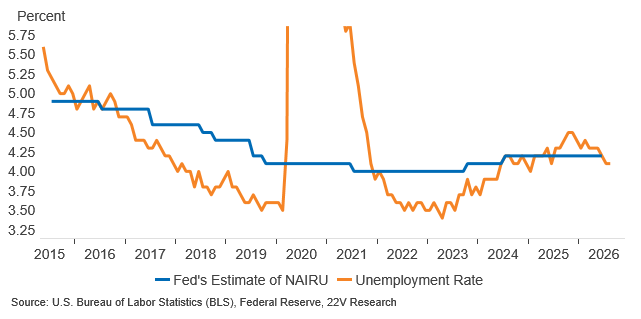
The unemployment rate remains below both the Fed’s June projections (4.3%) and most estimates of NAIRU.
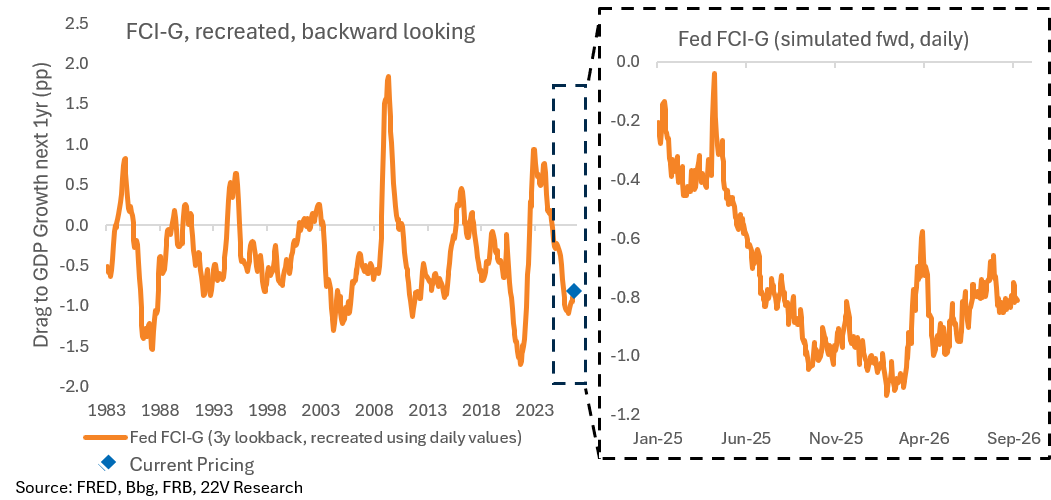
The strength of the labor market tilts in the direction of financial conditions needing to be a bit more restrictive
Retail and transports have suffered.
AI service names continue to perform usually well.
Risk-On versus Risk-Off has outperformed since our call +2.34%.
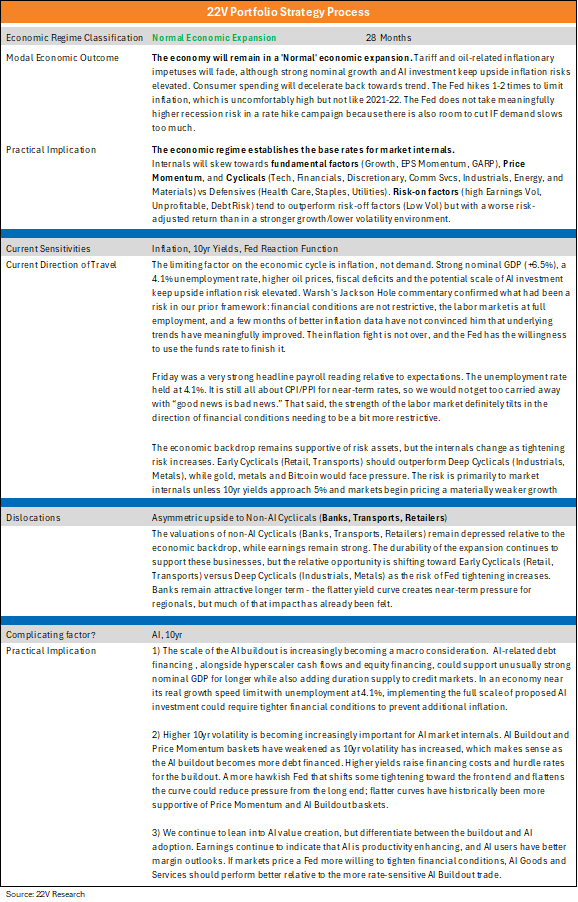
OUR PROCESS: The first note of the week focuses on the overall process we anchor to. The below graphic details the medium to longer-term views (6+ months) for equity internals based on the current economic backdrop, the modal outcome for that backdrop, and the sensitivities of the backdrop. When we mark to market our views based on new market and macro data, and talk about short-term risk management, it is always relative to what our background process implies.