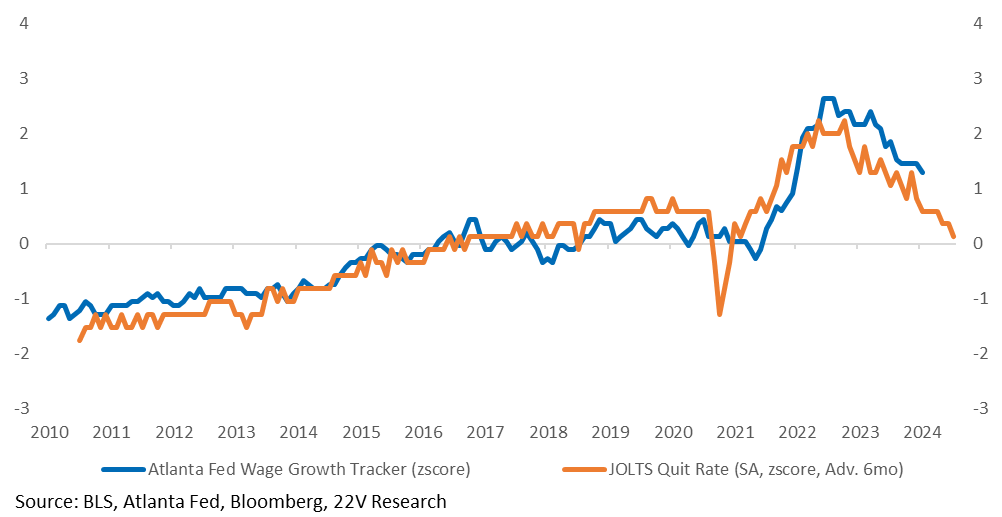
SUMMARY: Powell offered nothing new or different during his House testimony yesterday, so we start today’s report by fitting JOLTS data into the broader labor data framework. Job openings were roughly in line (8,863K actual, 8,850K expected) while the previous reading was revised lower (from 9,026K to 8,889K). The quits rate continues to trend lower, falling from 2.2% to 2.1%. The bull case for risk assets is labor market easing (without outright weakness) leading to slower wage growth. The relationship between the quits rate and wage growth indicates that is happening. Chart of that in the full report below.
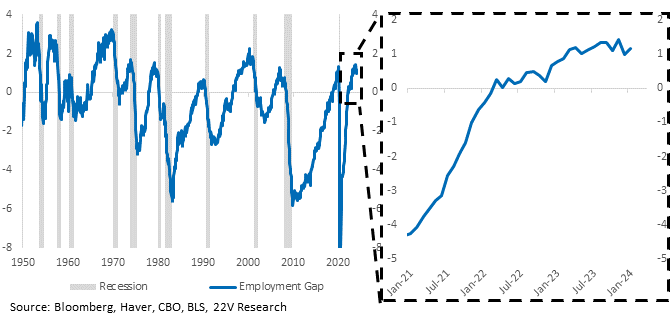
But to be clear, Gerard points out that the recent decline in wage growth may not be evidence the labor market has eased much. He has a report out this morning referencing recent Fed research that agrees with that take HERE. The employment gap (a metric that measures employment relative to potential) is still near its cycle tight. So, the labor market is well through full employment. And that implies stubbornly high wage inflation. The debate is live. Friday will be another piece of the puzzle.
Concerning Friday’s data, the 10yr has now dropped -20bps into a print that investors expect to be weaker-than-consensus and risk-on (expectations detailed HERE). Yesterday we talked about how lower 10yr yields were a product of some cooling in economic growth (demonstrated via the GDPNowcast falling, HERE). Expectations of some softer data may be contributing as well.

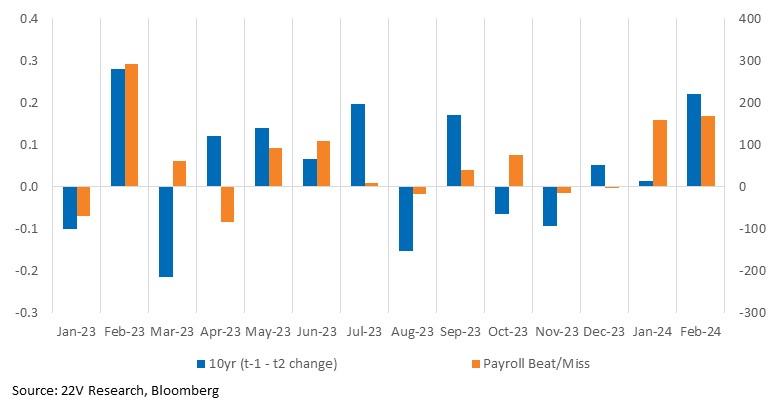
Extrapolating economic data is not a best practice when economic data volatility is this high, but for risk management it’s important to consider that the pain trade appears to be another hot report. The breadth of data recently has still been beating expectations and the yields have risen following the past three Payroll reports.
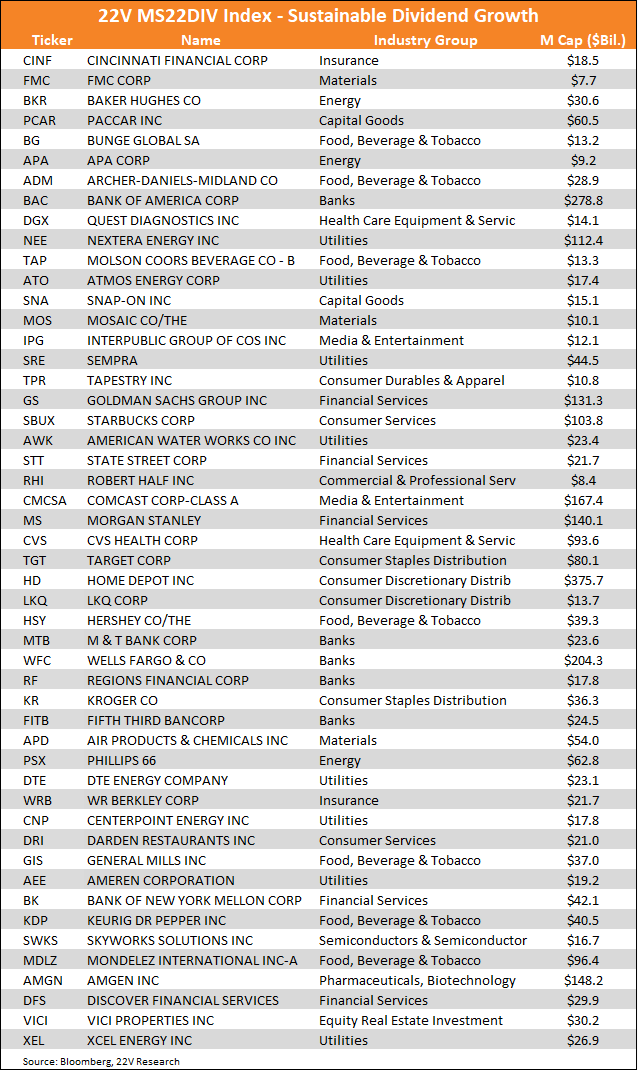
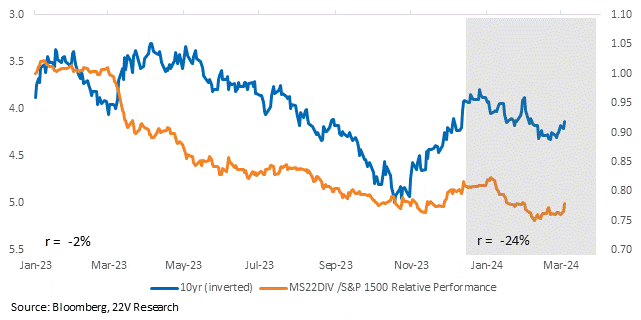
If data does come in soft, confirming cooler economic growth and potentially helping dispel Jan heat as seasonal weirdness, yields will likely continue to work lower. The 10yr is still up +30bps YTD. That would benefit our Sustainable Dividend Growth swap. This basket is a cash-return basket, which will have a more competitive yield with a lower 10yr. It’s made up of the S&P stocks whose current dividend yield, dividend payout ratio, and recent dividend growth suggests they can maintain or raise dividends. Constituents in the full report below.
MARKET VIEWS: Powell didn’t offer anything new in his testimony yesterday. Upcoming data is a lot more important. It’ll provide evidence (or not) that the Fed says they need to cut rates. JOLTS, released yesterday, continued along its trend – job openings moving lower, slowly, and the quits rate moving lower, choppily. Labor markets are easing some, but there are no signs of absolute weakness. The bull case is easing (without outright weakness) leading to slower wage growth, like the below chart would suggest.
But to be clear, Gerard has made the point that the recent decline in wage growth may not be evidence that the labor market has eased much. The employment gap (a metric that measures employment relative to potential) is still near its cycle tight. Ie, the labor market is well through full employment. And that implies stubbornly high wage inflation. The debate is live. Friday will be another piece of the puzzle.
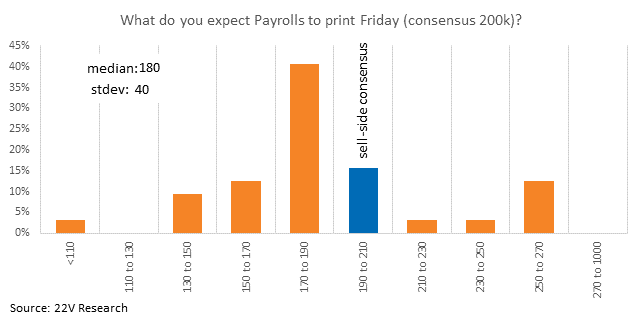
PAYROLLS, YIELDS: The 10yr has now dropped -20bps since the beginning of last week, heading into Payrolls. Yesterday we talked about how lower 10yr yields were a product of some cooling in economic growth (demonstrated via the GDPNowcast falling, HERE). Expectations of some softer data may be contributing as well. Investors expect lower-than-consensus Payrolls (survey consensus 180k vs bbg consensus 200k) with lower-than-consensus AHE (survey consensus 4.2% vs bbg consensus 4.3%) on Friday, with a risk-on market reaction (HERE).
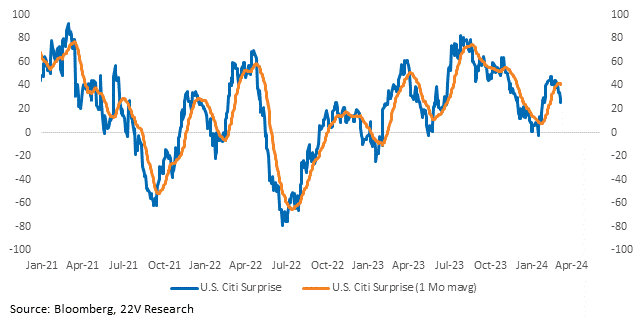
Economic volatility is elevated, so extrapolation is not best practice, but for risk management it’s important to consider the pain trade appears to be another hot report. The breadth of data recently has been beating expectations…
…and yields have increased following the last three Payroll reports.
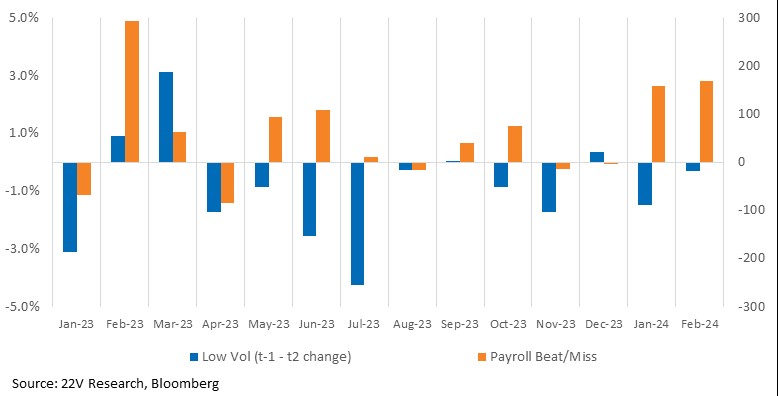
The risk-on vs risk-off reaction to the prior Payroll reports has been much better than yields would suggest. Low Vol fell after the last two. And that includes February’s hawkish print.
If data does come in soft, confirming cooler economic growth and potentially helping dispel Jan heat as seasonal weirdness, yields will likely continue to work lower. The 10yr is still up +30bps YTD. As we framed out yesterday (HERE), that would benefit our Sustainable Dividend Growth swap. This basket is a cash-return basket, which will have a more competitive yield with a lower 10yr. It’s made up of the S&P stocks whose current dividend yield, dividend payout ratio, and recent dividend growth suggests they can maintain or raise dividends.
Constituents here.