SUMMARY: Powell didn’t declare victory yesterday and that annoyed people. We have sympathy for that annoyance, and it helps explain the risk-off market move. Ultimately, we are a buyer of broad risk asset declines, GARP weakness, and declines in the average stock IF they are driven by the Fed waiting until May vs cutting in March. The policy related volatility will be elevated near term though, so expect factor vol to be high.
Why Macro Folks Are Annoyed: As Peter Williams discussed overnight and we highlighted yesterday in our higher frequency notes during the press conference (ask if you want to be on the list), Powell highlighted the “very good PCE inflation data over the past 6m, on a forward-looking basis he acknowledged that average rents are coming down, wage growth and the labor market seem to be slowly normalizing, inflation expectations largely at target consistent levels or close to, and having 2% y/y inflation in hand is not necessary for, or advisable in many FOMC participants views, before starting to cut, what is gained by waiting an extra month or two?”.
Powell’s answers to what is gained by waiting 6 weeks vs another 3 months, despite the friendly data Powell himself highlighted and we point out above….” (long pause)….we need confirmation that inflation is, in fact, coming down, sustainably to 2%.” That was the bad news, and it does increase likelihood of more policy-driven volatility over the next few months. CPI revisions, which burned the FOMC last year, ARE VERY IMPORTANT. Both Powell and Waller have highlighted them and if they are benign, maybe Powell’s tune changes again. If the revisions are firmer, May odds could come down. CPI revisions, 2/9, is the next major clearing event. Wages data from the payroll report tomorrow is important as well. March cut odds could go up again if wage data is weaker than expected.
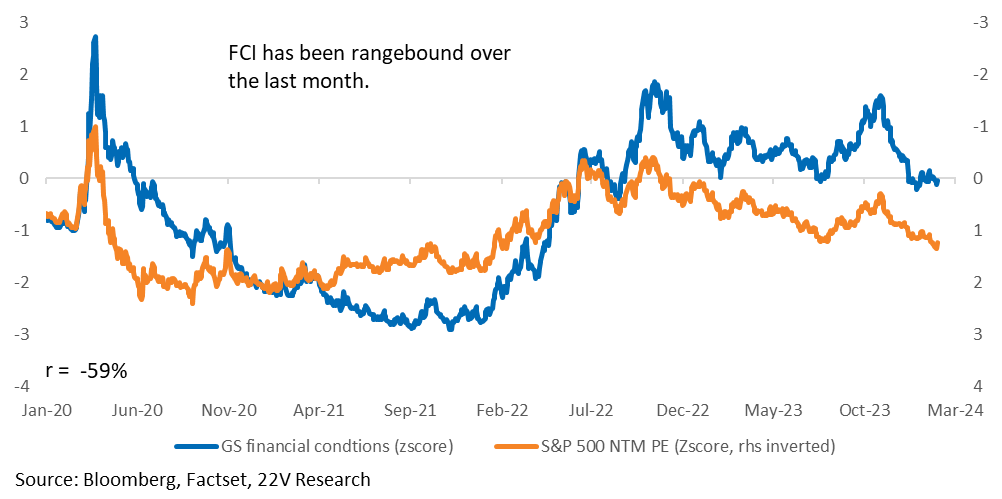
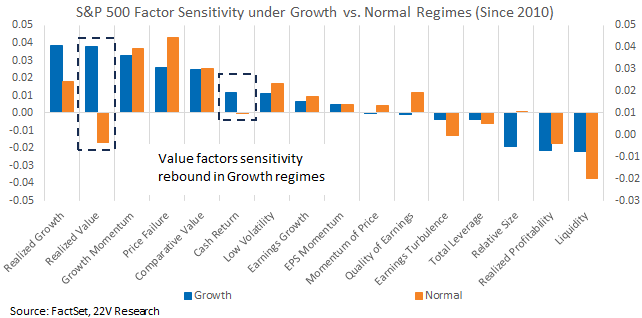
Bottom Line – Short & Longer Term: Short term, elevated policy vol is likely to come with continued risk factor volatility. Factors will have a tough time finding trends (rotations between low vol and high vol, low and high quality, etc.,). Longer term, cutting won’t require better data, just more of the good data as Powell pointed out. If the economy is growing at 2.0-2.5% and the Fed cuts 3 or 4 times (looks closer to 3 now), that is a positive backdrop for risk assets. The economy will remain in a growth regime and that would favor Value, Growth, Momentum (HERE) and our favorite factor remains GARP. FYI: FCI didn’t move much given the sharp decline in rates yesterday, something to keep an eye on.

More in the full report below…
MARKET VIEWS: Powell stated he does not “think it is likely that the Committee will reach a level of confidence by the time of the March meeting.” and that was it for risk assets on the day. Odds of a rate cut in March dropped. Risk-on factors, Cyclicals, and small caps all got whacked. FYI futures overstate the odds of a cut, because a 50bps cut is more likely than a hike, but the point remains.
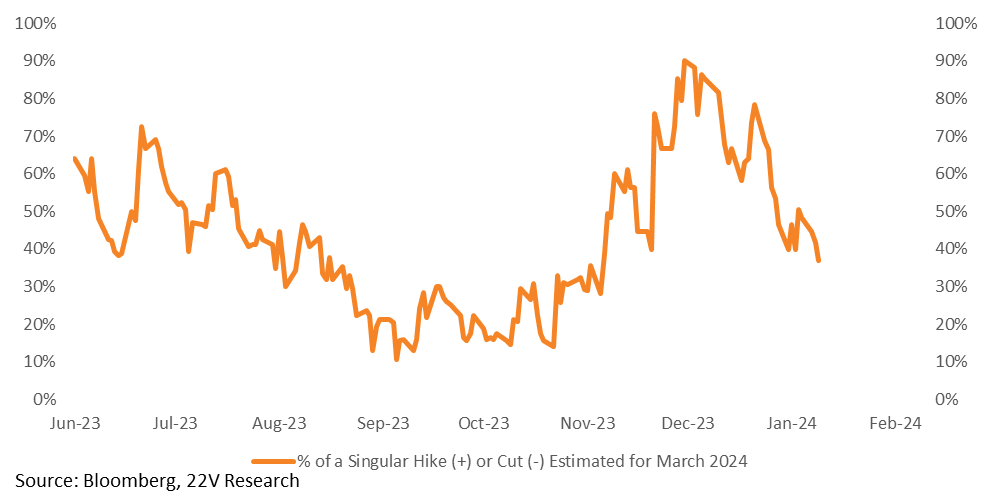
Taking a step back, Powell pushed patience about declaring victory on inflation, which sounded like skepticism about the last 6 months of inflation data. He kept emphasizing waiting for confirmation of good inflation data. Importantly though, cutting won’t require better data, just more of the good data. Net net that is not a terrible backdrop for risk assets. The direction of travel is still easing under the Fed’s base case for data. As Peter puts it (HERE), “This seems to inject more path risk into markets than it does increase the odds of overall negative macroeconomic outcomes over a longer cyclical horizon. March vs May vs June is not likely to be the issue which ends the cycle.” That is not a radical change to financial conditions. So, our call for a risk-on, SMID cap catch up remains the same, and the case for significant PE contraction is thin. The issue will be volatility in the near-term.
Again, per Peter, “Over the next few weeks and months, we are likely to see more policy-driven volatility. Given the possibilities of Fed communications dispersion, inflation data which could go a myriad of directions, CPI and labor market revisions, and noisy labor market data, near-term rates vol seems likely to be high.” Given the regime model sensitivity to rates (HERE), and the importance of the Growth regime to Value (HERE), we stick to GARP.
Skepticism about inflation is going to be cured (or not) by inflation data, or anything that is a leading indicator of service inflation. Note that Powell discussed service inflation having to come down because we can’t rely on permanent goods deflation. CPI prints, and the CPI revisions on 2/9, will be important. Data dependency.
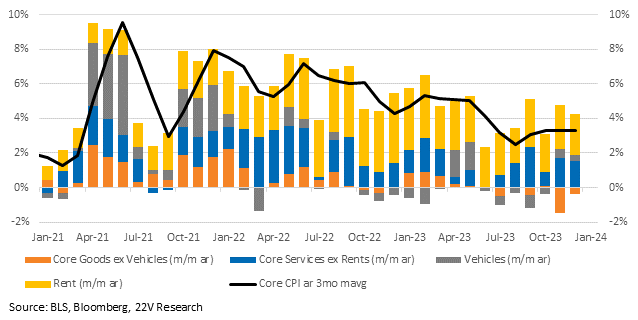
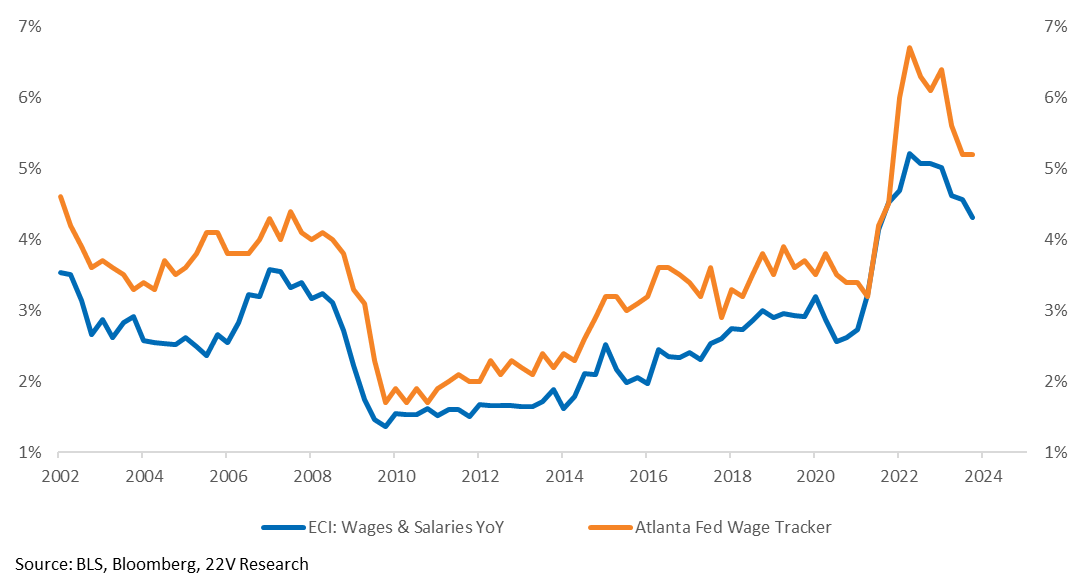
GOOD NEWS: Yesterday’s ECI report was friendlier than expected. Headline rose 0.9% compared to the 1% consensus estimate. Gerard (HERE) believes that nominal wage growth remains too high for the comfort of the Fed in level terms. For the very immediate term, lower than expected is lower than expected. Peter Williams notes (HERE) that with labor markets still fairly tight, some trailing momentum is reasonable and does not seem obviously inconsistent with a soft-landing. Powell delivered a hawkish message, but the data is still being cooperative for the longer-term easing framework.