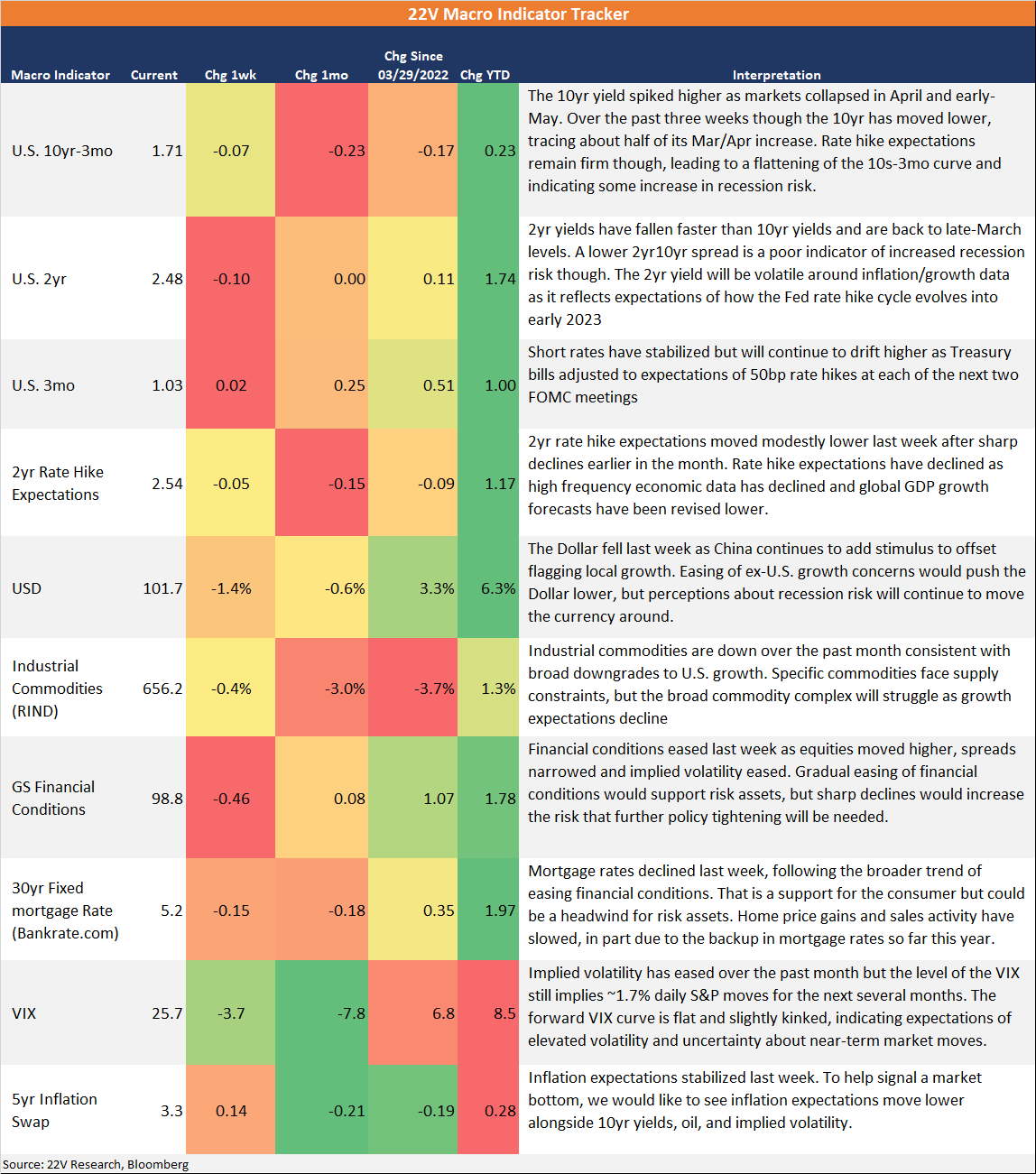
SUMMARY: Macroeconomic cross currents remain high, and uncertainty about the path of inflation, policy, and growth is elevated. For now, that means high correlations and market volatility tied to major macro releases and Fed meetings. Payrolls are this Friday, CPI is next week, and the FOMC meets on June 16th. At the same time, oil and gas prices look like they are breaking out (Shanghai reopening/Russia Embargo) and global bond yields jumped after the hotter than expected European CPI data (ECB rate hike expectations increasing). Bond and stock volatility are likely to remain elevated and should limit upside equity risk for now. In theory.
Based on our most recent investor surveys (recent results here), investors expect EPS estimates to be revised about ~5% lower, and for PEs to bottom around 16x, indicating most would be buyers at 3450. As a few clients pointed out this weekend, a move to 4400 would be an extreme pain trade if it happened.
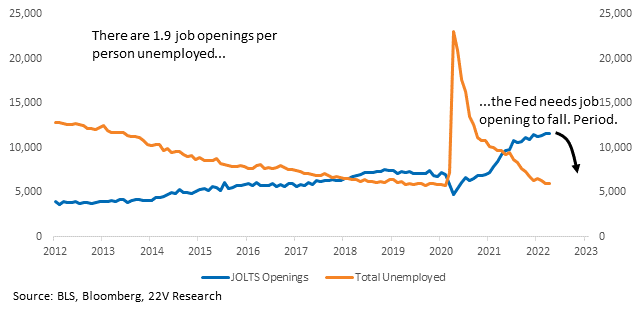
A pain trade to 4400 would come with economic data points indicating slowing core inflation. The breadth of economic data has rolled over, indicating financial conditions don’t necessarily need to tighten more to slow inflation. But it’s the labor market data that matters and we get JOLTS on Thursday and Payroll Friday. It is CRITICAL that job openings move lower. The 1.9 job opening for every unemployed person has been mentioned by FOMC members consistently. If that number increases this week (comes with JOLTS data), rate hike expectations and volatility should increase again. If the Openings/Unemployed ratio declines, volatility is biased lower and markets should move higher (implied vol is still very high). Even with higher oil prices.
Thinking About Alpha Opportunities: Longer-term correlations are headed lower as economic growth slows. Economic growth WILL SLOW, it’s just a matter of if that has started already (vol lower), or if more financial conditions tightening is needed (vol stays at historically high levels for longer).
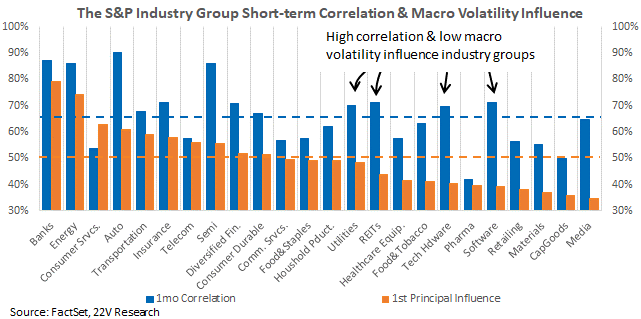
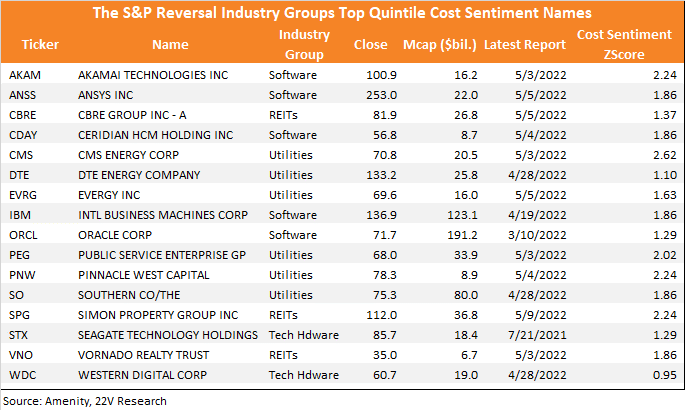
As noted in a Quant report Friday (here) Software, Tech Hardware, Real Estate, and Utilities still have higher than normal short-term correlations and lower than median macro volatility influence. Lower macro influence means fundamental divergences should matter more in terms of explaining volatility. As correlations move lower, groups with high correlations and lower macro influence offer the greatest alpha opportunities. We highlight a list of stocks that have low macro risk, high correlations, and positive cost sentiment. Managing costs is extremely important as oil and gas prices are likely to stay elevated and the Fed is making sure pricing power comes under pressure. We remain short JETS and other reopening names. High fixed costs and the Fed will slow spending growth.
Full report below…
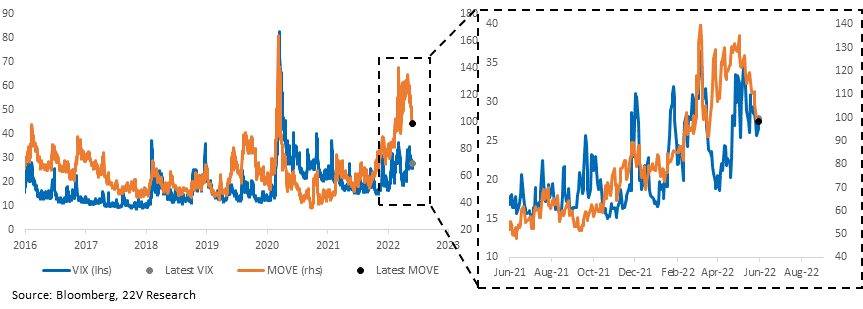
MARKET VIEWS: Spot implied volatility declined last week, but the VIX curve remains elevated, indicating 1.7pp daily moves for the next several months. With oil and gas prices looking like they are about to break out (Shanghai reopening and Russia oil “embargo” the culprit for the move higher) and global bond yields significantly higher on the hotter than expected European CPI data, and threats of faster rate hikes from the ECB, our call for lower bond vol is at risk near term. Bottom line, macroeconomic cross currents remain high, and uncertainty about the path of inflation, policy, and growth is elevated. For now, that means high correlations and market volatility tied to major macro releases and Fed meetings. We have Payroll this Friday, CPI next week, and the FOMC meeting June 16th. After the recent consolidation, stock vol will likely remain range-bound for a bit.
Ultimately the data is what is important and assuming the data continues to roll over, which is our base case, volatility and correlations will decline. The good news is the breadth of economic data is rolling over, which indicates that financial conditions don’t necessarily need to tighten more to slow inflation. But it’s the labor market data that matters and we get JOLTS on Thursday and Payroll Friday. It is CRITICAL that job openings start to move lower. The 1.9 job opening for every unemployed person has been mentioned by FOMC members consistently. If that 1.9 job openings per unemployed number increases this week (comes with JOLTS data), fed rate hike expectations are increasing along with vol. If it declines some, vol is biased lower.

Longer Term – Lower Correlations & Alpha Opportunities: Longer term we think correlations are headed lower as economic growth slows. Economic growth WILL SLOW, it is just a matter of if that has started to happen (vol lower), or if more financial conditions tightening is needed (vol stays at historically high levels for longer). Extremely negative investor sentiment and high correlations have created increased potential for alpha generation. Stock/industry selection should generate strong returns, assuming a near-term recession can be avoided, as volatility and correlations decline and investors start to sort winners from losers.
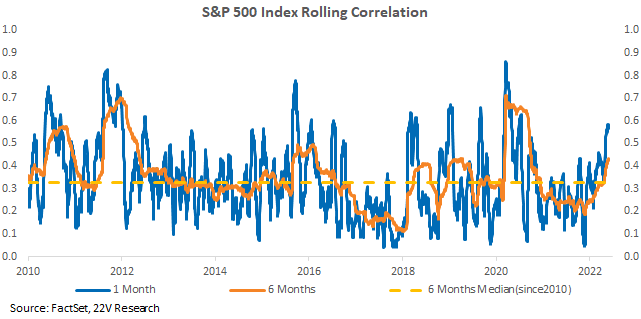
Software, Tech Hardware, REITs, and Utilities all still have higher than normal short-term correlation and lower than median macro volatility influence. If a sector has lower macro influence, it is more likely to be driven by fundamentals. As correlations move lower, those sectors with high correlations and lower macro influence should have the most significant alpha opportunities.
Below, we filter the S&P names falling within those industry groups with the most positive cost sentiment. As we discussed (report here), cost sentiment is negatively correlated with inflation. In a high input inflation backdrop, stocks with the most positive cost sentiment should be at lower risk of margin compression and negative earnings revisions. As evidenced by the move in oil/gas prices this morning, costs pressures are unlikely to abate anytime soon.
Macro Tracking: The S&P gained 6.6% last week, a 99th %tile move led by Cyclical sectors (Discretionary, Energy, Tech, and Financials all outperformed). Factor internals were mostly risk-on, with Low Volatility names falling -2.3% and higher Earnings Growth names rallying 1.8%. It is too early to call the all-clear on market declines, and conflicting signals remain the order of the day. Spot implied volatility declined, but the VIX curve remains elevated, indicating 1.7pp daily moves for the next several months. Also, the VIX curve is flat, suggesting more near-term market risks (the curve is usually positively slopped to reflect the increase in uncertainty tied to longer-dated options). Financial conditions eased, but inflation expectations moved higher, increasing the risk that policy will need to be tightened more in the future to reduce price levels. Bond spreads narrowed as concerns about corporate profit growth/defaults eased, but the 10yr3mo Treasury curve flattened, indicating increased medium-term recession risk. The bottom line is that macroeconomic cross currents remain high, and uncertainty about the path of inflation, policy, and growth is elevated. For now, that means high correlations and market volatility tied to major macro releases and FOMC meetings. This Friday’s payroll report and monthly PMI data, and JOLTS data earlier in the week are all possible catalysts for another bout of market volatility.