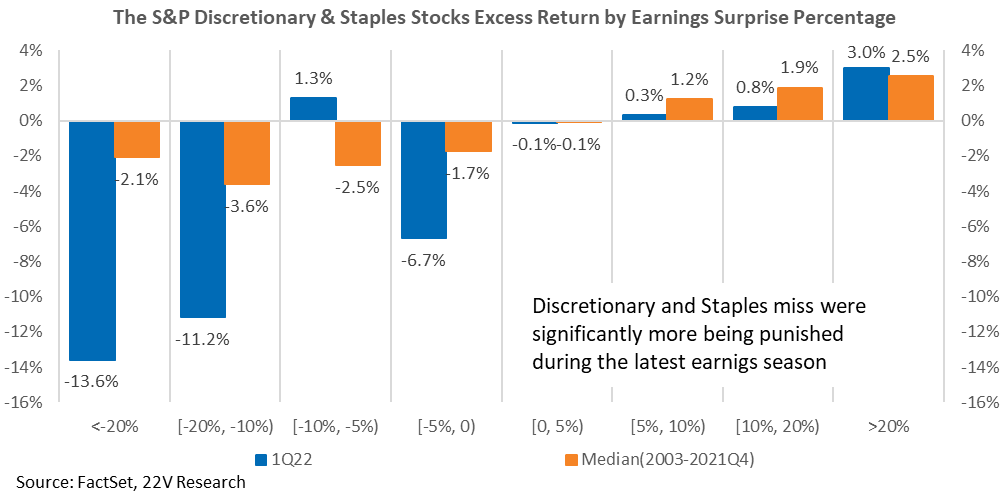
Last week, both TGT and WMT significantly missed earnings expectation and saw their stock prices collapse. Both companies cited supply chain issues and weaker demand, spurring concerns about a broader consumer slowdown. A broad slowdown in Consumer company earnings is already taking place. During 1Q earnings Discretionary + Staples stocks posted an EPS beat rate of 74.4% vs. the S&P’s 79%, and a top line beat rate of 67.4% vs. 73.4% for index. And the S&P Discretionary and Staples that missed earnings were significantly punished.
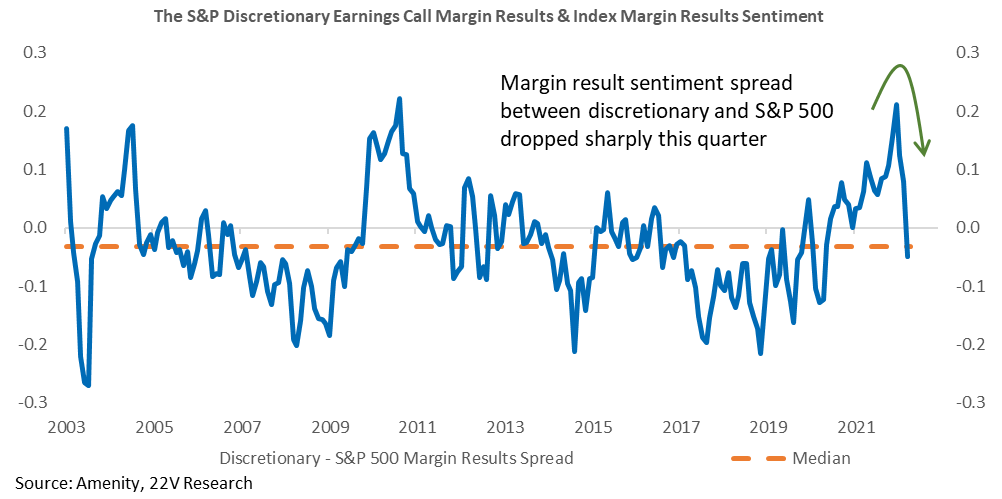
As we mentioned last week (here), the Fed is trying to drive pricing power lower to reduce inflation and that will put downward pressure on profitability. Margin results sentiment for Discretionary fell sharply in 1Q relative to the S&P. Declining margin sentiment is consistent with the realized decline in Discretionary profit margin, suggesting the Fed’s efforts are starting to pay off.

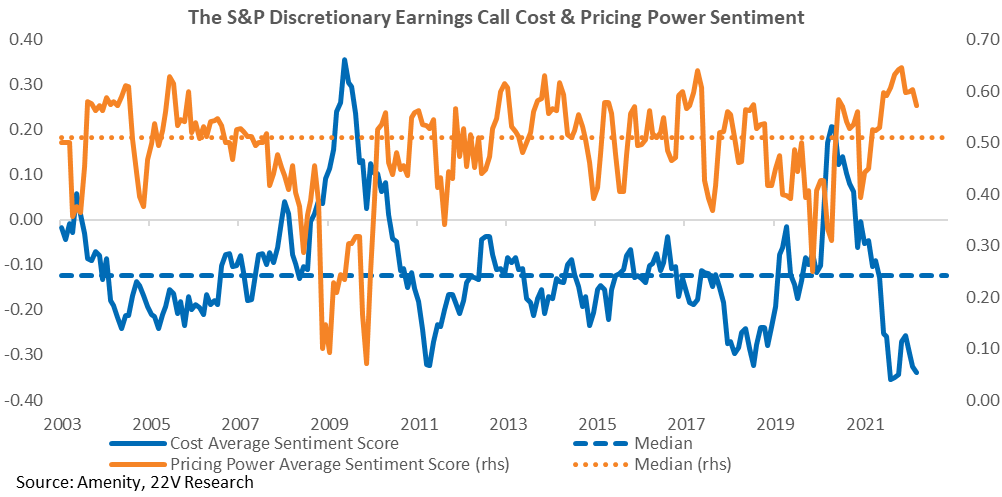
Within consumer sectors, management sentiment toward forward earnings has deteriorated. Using the Amenity natural language processing tool, to analyze the latest quarter of earnings call, shows negative earnings sentiment across MOST industry groups. Discretionary Costs sentiment has turned more negative while pricing power sentiment also started to move lower. Increasing cost together with deteriorating pricing power of Discretionary names indicates further declines in margins are likely. Margins for Staples companies remain at a relatively high and sentiment on cost is less pessimistic helping explain their outperformance.
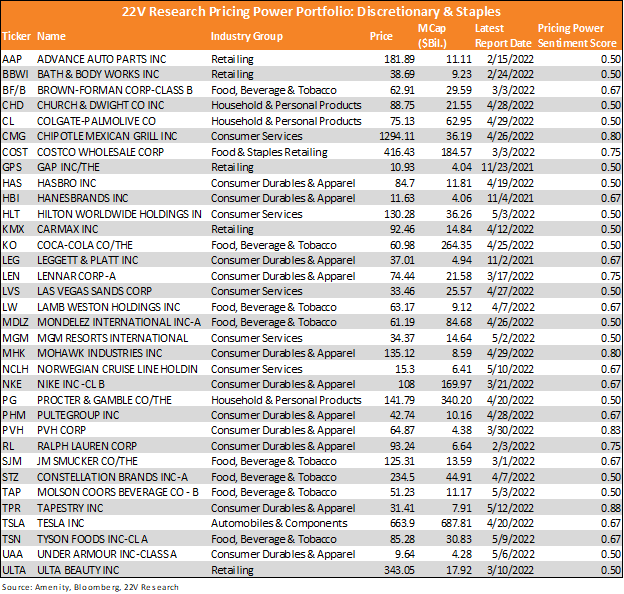
At the end of this report we highlight the Discretionary and Staples names in the pricing power basket (rebalanced Friday, report here). Index wide margins are under pressure today and will remain true while inflation moves lower. As top line and earnings growth expectations move broadly lower over the coming quarters, strong management sentiment towards pricing power will become more important screening tool.
Sentiment Screening for Discretionary and Staples Pricing Power: Last week, both TGT and WMT significantly missed earnings expectation and saw their stock prices collapse. Both companies cited supply chain issues and weaker demand, spurring concerns about a broader consumer slowdown. Overall, during 1Q earnings reporting Discretionary and Staples results were generally weaker than that of the overall index. Combined Discretionary + Staples posted an EPS beat rate of 74.4% vs. the S&P’s 79%, and a top line beat rate of 67.4% vs. 73.4% for index. And the S&P Discretionary and Staples that missed earnings were significantly punished.
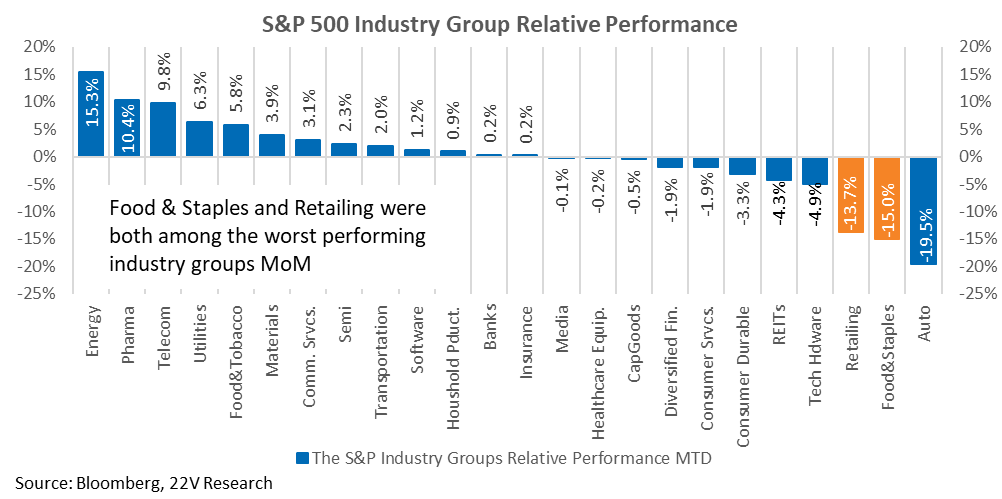
Following their weak earnings, returns to consumer industries were weak. Consumer industry groups have underperformed the S&P over the past month. Retailing and Food & Staples Retailing were two of the worst industry groups, beating out only Autos.
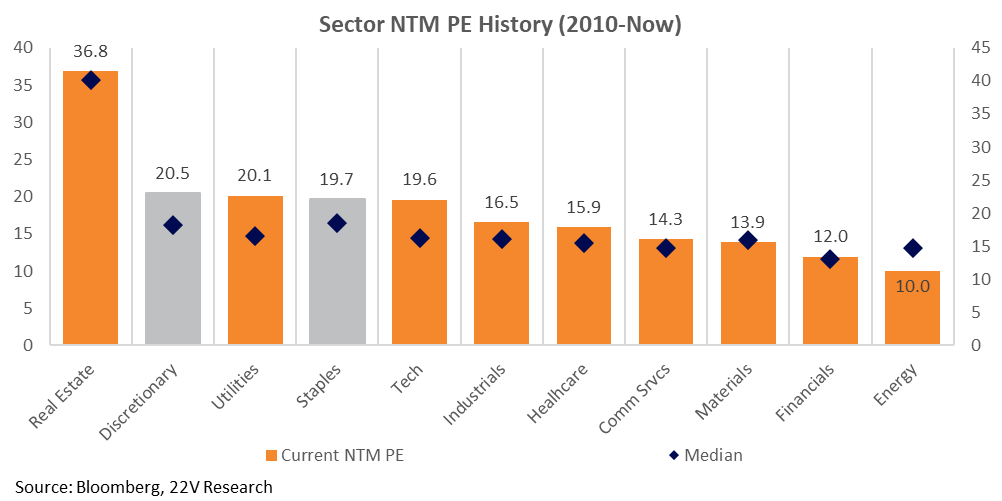
Despite their recent under performance, currently multiples for Discretionary and Staples are higher than index level and above their own post-GFC era medians. 2010. Retail sales remain at a high level, but the rate of growth has slowed along with overall economic activity. With growth expected to decline materially in the back half of ’22 and remain around 2% in ’23-’24, downward pressure on consumer multiples should continue.
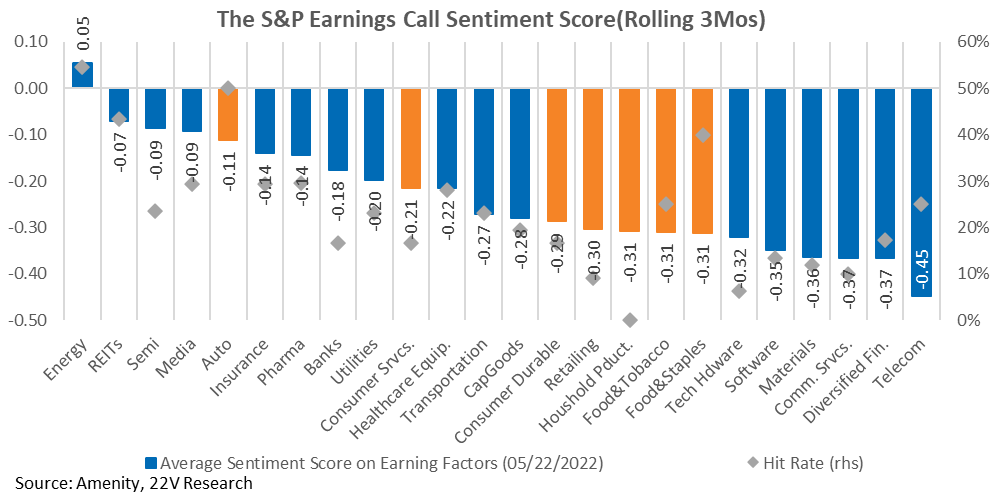
Within consumer sectors, management sentiment toward forward earnings has deteriorated. Using the Amenity natural language processing tool, to analyze the latest quarter of earnings call, shows negative earnings sentiment across MOST industry groups. Both Food & Staples and Retailing earnings sentiment are blow the level of the overall index, suggesting relatively larger downward pressure. Earnings sentiment for other industry groups within Discretionary and Staples have been weak as well. The strongest segments of the Consumer are Autos and Consumer Services. The macro backdrop favors Services names today as spending continues to shift away from goods and toward services.
As we mentioned last week (here), the Fed is trying to drive pricing power lower to reduce inflation and that will put downward pressure on profitability. Margin results sentiment for Discretionary fell sharply in 1Q relative to the S&P. Declining margin sentiment is consistent with the realized decline in Discretionary profit margin, suggesting the Fed’s efforts are starting to pay off. Discretionary TTM earnings growth margin peaked at 7.1% end of Feb and has dropped since then.
Currently, Discretionary Costs sentiment has turned more negative while pricing power sentiment also started to move lower. Increasing cost together with deteriorating pricing power of Discretionary names indicates further declines in margins are likely. Margins for Staples companies remain at a relatively high and sentiment on cost is less pessimistic. More stable earnings outlooks for Staples help explain some of their outperformance so far this year and favors Staples over Discretionary near-term.
We rebalanced our pricing power portfolio last Friday (report here). Below are the Discretionary and Staples names falling in the pricing power basket. Index wide margins are under pressure today and will remain so as inflation moves lower. For the names below, management sentiment towards pricing power remains relatively strong, which should translate into relatively firm margins. Top line and earnings growth expectations will move broadly lower over the coming quarters, making screening for names with relatively firm pricing power more important.