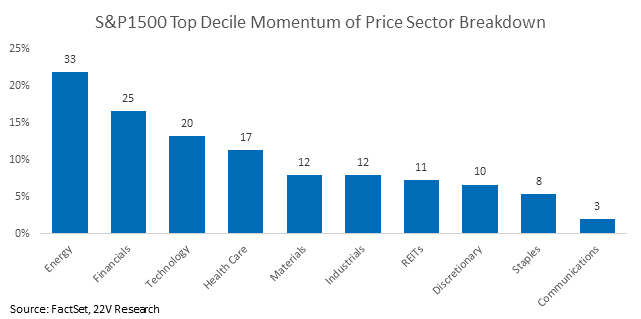
SUMMARY: Russian and Ukrainian officials are upbeat on progress in talks, suggesting positive result are possible within days according to Reuters, which explains the sharp increase in UST yields overnight (broke out to new cycle highs). Any hope of a peaceful resolution or just further confirmation that the war will be contained to Ukraine is likely to lead to significantly higher real yields. Expect more of the tightening of financial conditions to come through higher 2yr and 10yr yields given 1) inflation expectations have shot higher and 2) upward pressure on core inflation remains broad based (see Gerard comment from our weekly webinar here). Stay long stocks that benefit from higher real yields AND tighter financial conditions. Those general include Earnings Growth, Momentum of Price, and Growth Momentum. Size and Quality are important factors to remain focused on as well. The top 3 Momentum sectors are Energy, Financials and Technology currently (details at end of the report).

Energy, Financials, and Tech are also the most macro driven sectors. Stock picking within those groups is extremely hard right now, which is why we haven’t seen much differentiation between unprofitable Tech and Mega Cap tech recently. As we noted in a Quant report today, we maintain our market weight position toward Tech, but more speculative names face headwinds as financial conditions tighten, increasing correlation/macro influence suggests mega caps could remain under pressure near term. Longer-term, high profitability and cash returns are a support for Tech as a whole and mega caps specifically as financial conditions tighten further and economic growth slows. We recommend sticking with higher quality, lower turbulence names near-term as market pricing is adjusted to reflect the shift in the monetary policy backdrop.
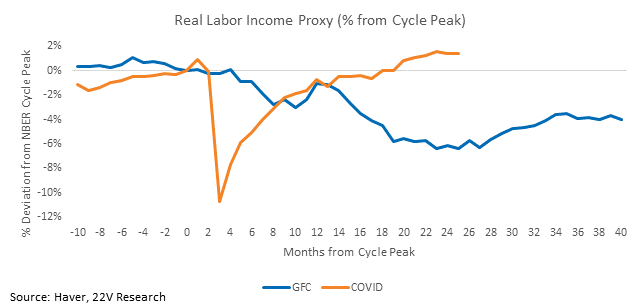
Some things to think about on the “double whammy” for inflation that is being discussed today as a result of China’s new COVID shutdowns. 1) The U.S. labor income proxy is still nicely positive on a real basis (much more important that real AHE) but has clear downside risks. So, goods spending in the US should level off going forward. Europe has clear near-term import headwinds as well. Both should limit pressure on supply chain costs relative to 2021. 2) Reopening trends should favor services at the same time goods spending slows (this was not the case last summer and fall, and last summer was ahead of the holidays). 3) China shutting down does present downside risk to commodity prices from a demand point of view. Today there is a combination of China shutting down AND China high yield moving to new wides, almost exclusively driven real estate companies. China property is a major source of commodity demand, and the deleveraging is intensifying. FYI…If some peaceful resolution to the war comes at the same time China is shutting down, expect a SHARP drop in many commodity prices.
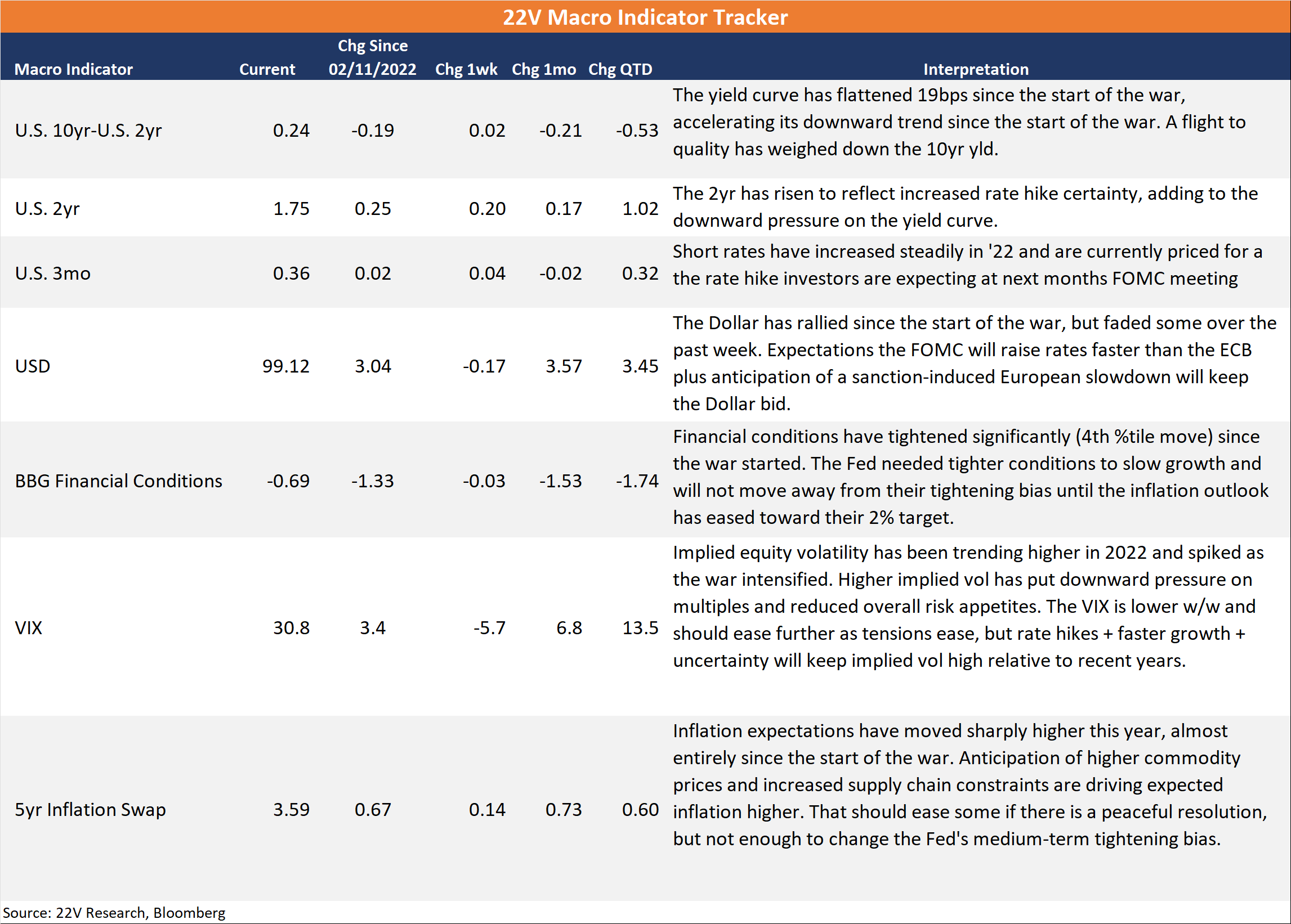
Major macro drivers of the economy and markets have been increasingly volatile this year, a trend that will continue as global growth slows and markets adjusting to the first coordinated global rate hiking cycle in ~15 years. To keep tabs on major macro shifts, we are introducing a consolidated table of macro forces we find most important, how they are developing today, and how we expect them to trend over the medium/long term. We will expand this list over the coming months. Please let us know if there are indicators you are interested in us following
Full report below…
MARKET VIEWS: Russian and Ukrainian officials are upbeat on progress in talks, suggesting positive result possible within days according to Reuters. That is the main driver of risk overnight and shutdowns in China appear to be having little impact. Any hope of a peaceful resolution or just further confirmation that the war will be contained to Ukraine is likely to lead to significantly higher real yields. Continue to expect more of the tightening of financial conditions to come through higher 2yr and 10yr yields given that inflation expectations have shot higher and the upward pressure on core inflation is broad based (see Gerard comment from our weekly webinar here). Stay long stocks that benefit from higher real yields AND tighter financial conditions. Those general include Earnings Growth, Momentum of Price, and Growth Momentum. Size and Quality are important factors to remain focused on as well.
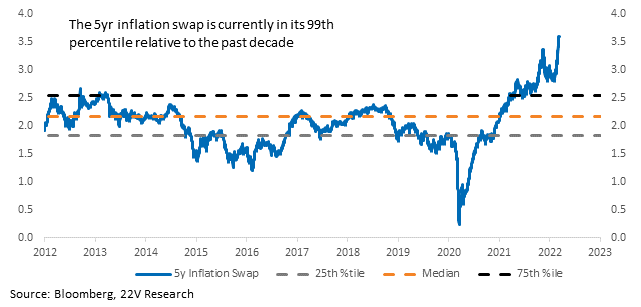
The “double whammy” for inflation is being discussed today, which is the combination of the Ukraine invasion and shutdowns in China. The upside to inflation risk is clear, but rapidly rising prices depend on two important assumptions. 1) The war keeps driving oil/gas/food prices higher and 2) US and European consumers keep spending as they did last year. With financial conditions already tightening and real wages likely to be under pressure, expect less intense supply chain pressure than last summer/fall. If the war settles down and downside risk to the real labor income proxy becomes more obvious (higher oil prices/tighter financial conditions), expect less goods spending then last year.
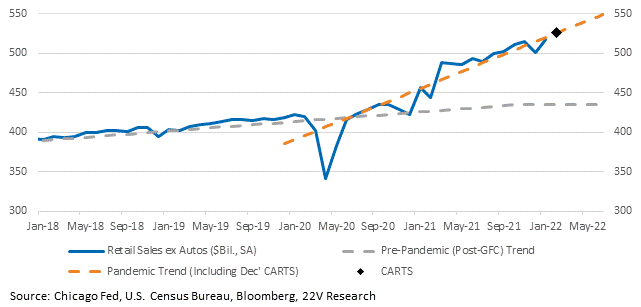
Goods spending is expected to still be strong in February though. The latest update of CARTS, the Chicago Fed’s high frequency indicator of retail sales, projects retail sales ex autos to increase +1.6% from January (consensus at +0.9%). FYI, CARTS has been a better predictor than consensus estimates. CARTS is projecting retail sales are continuing to track a much higher trend of growth than pre-pandemic. Although goods spending will look strong for another month, the downside risk is clear over the coming months. Services will become a greater share of spending and there is some downside risk to the overall level of spending.
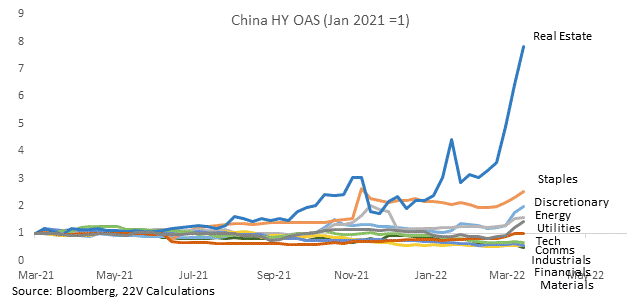
As some people have pointed out, lockdowns in China adds downside risk to oil prices (demand slows). One of the other areas of China commodity demand is the property sector, which continues to come under intense pressure. China high yield rates have moved to new wides (investment grade and other sectors in HY are fine…it’s all property). With property deleveraging seemingly intensifying and China shutting down, that would generally be a headwind for commodity prices (freight rates might go up, which is a different source of inflation). If some peaceful resolution to the war comes at the same time, expect a SHARP drop in many commodity prices.
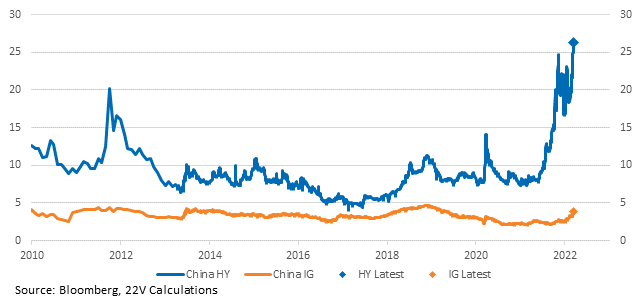
China’s high yield problems are still contained to real estate for now.
Macro Tracker: Major macro drivers of the economy and markets have been increasingly volatile this year, a trend that will continue as global central banks normalize policy and fight inflation. Slowing global growth, still too high inflation, and a market that is adjusting to the first coordinated global rate hiking cycle in ~15 years will all contribute to macro volatility. To keep tabs on major macro shifts, we are introducing a macro tracker. This is meant to be a consolidated table of macro forces we find most important, how they are developing today, and how we expect them to trend over the medium/long term. We will expand this list over the coming months. Please let us know if there are indicators you are interested in us following.
SECTOR ALLOCATION: Equity and bond market volatility declined last week even as stocks continued to selloff. The S&P slipped another -2.9% as the market PE compressed another 65bp, bringing the YTD PE decline to -3.2 points. Financial conditions eased on net, allowing for a modest risk-on rotation, but Cyclical vs. Defensive sector returns remained mixed. Energy and Utilities were the best performers while Staples and Tech were the worst. Financial conditions eased, almost entirely as a result of declining bond volatility, while overall credit conditions worsened. Assuming a stabilization or reduction of war tensions, future financial condition tightening should be a result of credit and money market movements instead of volatility. Assuming a recession is avoided, the tightening of the credit backdrop will favor Banks and some Defensive industry groups. At the factor level, lower volatility, higher quality, greater momentum names should perform best.
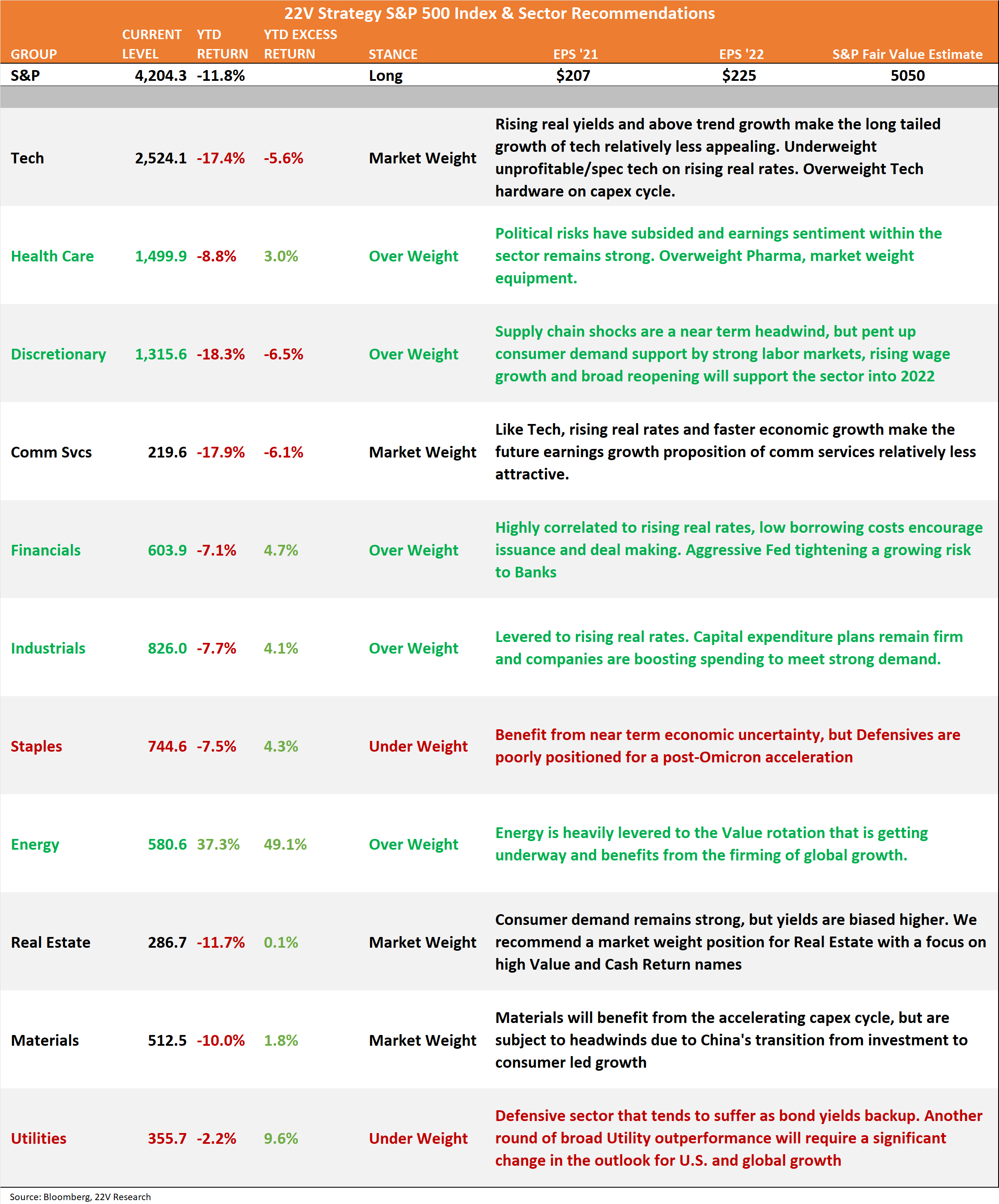
At the sector level, the top 3 Momentum sectors are Energy, Financials and Technology. Those are also the most macro driven segments of the market. We would focus on Momentum within those areas, but keep in mind that macro trends will drive absolute returns.