SUMMARY: The risk assets response overnight was not severe (outside of the Russian Ruble collapse, but that is off its overnight low), but that is likely because Ukraine and Russia are currently in talks (happening now). Ever since Russia brought up the nuclear option, the calls to find a way to de-escalate quickly have increased. We are not saying de-escalation will happen, just that it seems to be the focus or hope now. If talks breakdown, Belarus sends troops into Ukraine (they are waiting for talks to finish or breakdown before doing this apparently) and fighting/escalation threats ramp up again, expect another round of risk-off. Our focus remains on how much financial conditions will tighten and how investors should think about that.
In short, given the strength of the US economy, peace would imply higher rates and yields, while war would imply tightening through other channels. That makes being long or short rates here very tough and being long or short stocks that benefit from higher lower rates VERY tough. Until we have a better idea of how things will play out geopolitically longer term. What we can say with some confidence, which Gerard pointed out in a note yesterday, is that financial conditions are likely to tighten either way. Without a war, demand growth is so firm it likely requires the Fed tighten financial conditions. That means yields higher and portfolios that benefit from higher real rates outperforming. With a prolonged war/other geopolitical risks, financial conditions tighten without the Fed’s help. In that scenario, yields move lower, but financial conditions still tighten as default risk increases, oil prices surge, and risk premiums remain unusually elevated. Other unknows. Bottom line, stay long factors that benefit from tighter financial conditions, which include Quality, low Volatility (best performer last week) and high profitability.
Tighter financial conditions will lead to less ability of companies to pass along higher costs. Input costs will still have upward pressure in a war scenario, but slowing economic growth, tighter credit spreads, slowing consumption will make it harder for companies to pass along costs. In the non-war scenario, the Fed wants pricing power to decrease (pricing power IS inflation). The Fed has made this clear.
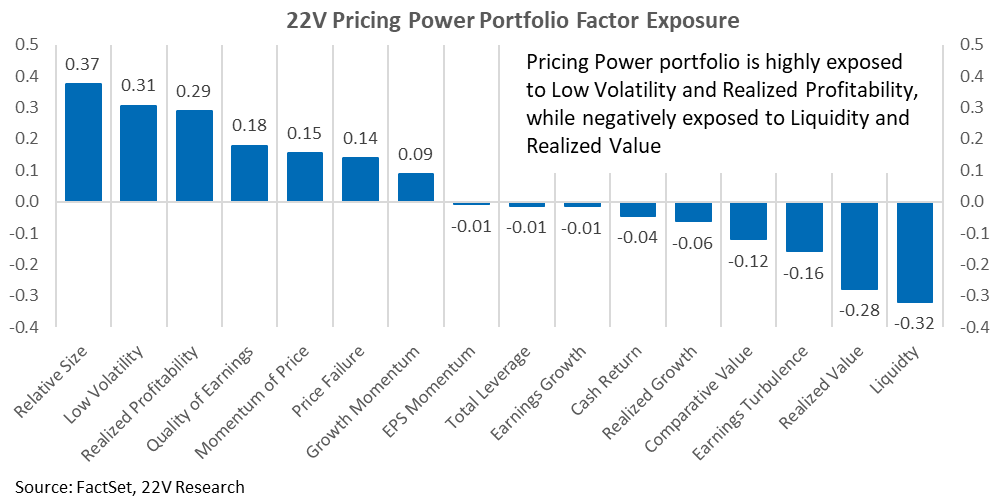
We would focus on companies that can maintain pricing power despite tighter financial conditions. The 22V pricing power portfolio (rebalanced this morning) consists of companies with high relative pricing powering sentiment during 4Q earnings calls. The portfolio has is broad based and has outperformed the S&P by 2.2% YTD. At the factor level, the pricing power sentiment portfolio has high exposure to Relative Size, Low Volatility and Realized Profitability (similar to the type of portfolio that benefits tighter financial conditions).

Also, we would be honored to run the stocks you are interested in through our screens. We can screen a list of stock for sentiment exposures and alignment to a backdrop of tightening financial conditions if you would like. With 4Q reporting season winding down, we can also look at the pricing power sentiment of custom lists. Please let us know.
Full report below…
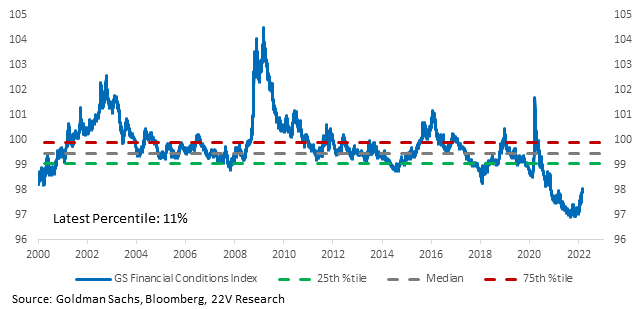
MARKET VIEWS: The risk assets response was not severe overnight (outside of the Russian Ruble collapse, but that is also well off its overnight low), but that is likely because Ukraine and Russia are currently in talks (happening now). Ever since Russia brought up the nuclear option, the calls to find a way to de-escalate quickly have increased. We are not saying de-escalation will happen, just that it seems to be the focus or hope now. If talks breakdown, Belarus sends troops into Ukraine (apparently they are waiting for talks to finish or breakdown before doing this) and fighting/threats escalate again, expect another round of risk-off moves. Our focus now is how much financial conditions will tighten. If the war drags on and systemic risk increases, financial conditions will tighten and Fed rate hike expectations will drop. The Fed will not have to tighten rates as the war will have done that for them.
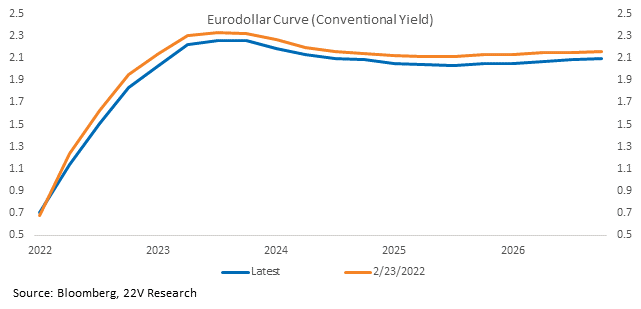
For now, rate hike expectations have barely budged. They are down marginally from pre-Russian invading Ukraine levels and like UST yields, have remained stubbornly high. The reason for this is twofold. 1st) Hope of some resolution given how dire the broader geopolitical situation has become and 2) The strength of the US economy.
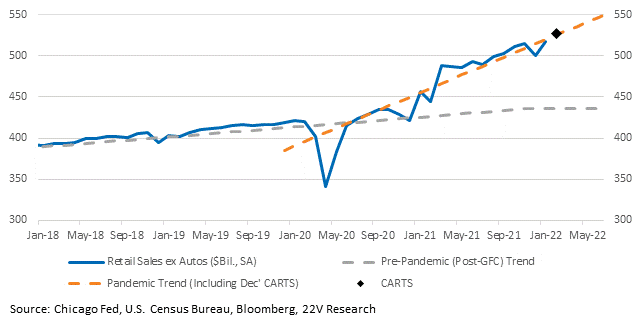
Keep in mind that last week PCE data showed U.S. spending growth was still well above trend (flash ISM firm as well) and the latest estimate from the Chicago Fed on retail sales suggest a still VERY strong trend
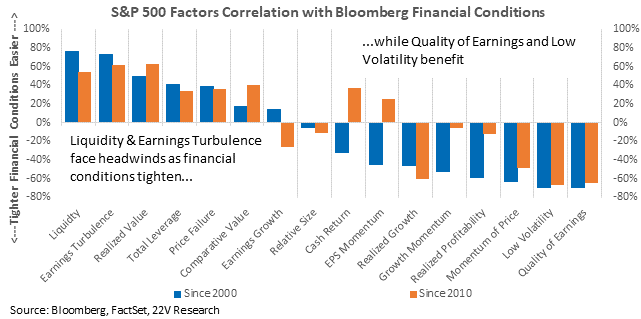
In short, given the strength of the US economy, peace would imply higher rates and yields, while war would imply tightening through other channels. Which makes being long or short rates here very tough and being long or short stocks that benefit from higher/lower rates VERY tough. Until we have a better idea of how things will play out geopolitically longer term. What we can say with some confidence, which Gerard pointed out in a note yesterday, is that financial conditions are likely to tighten either way. Without a war, demand growth is too firm for the Fed and that requires tighter financial conditions. With a prolonged war/other geopolitical risks, financial conditions tighten without the Fed’s help. Below are the factors that benefit from tighter financial conditions. Stay long Quality, low Volatility and profitability.
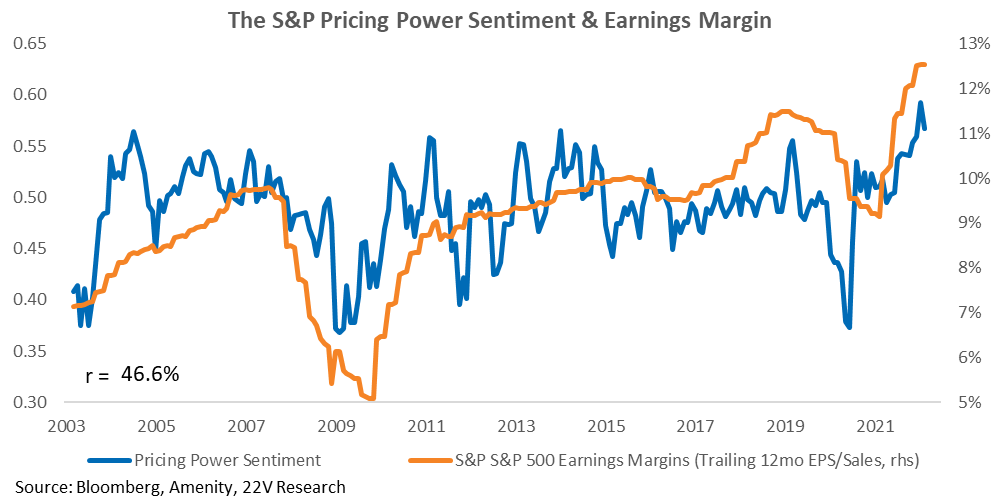
Tighter financial conditions will lead to less ability of companies to pass along higher costs. Input costs will still have upward pressure in a war scenario, but slowing economic growth, tighter credit spreads, slowing consumption will make it harder for companies to pass along costs. In the non-war scenario, the Fed wants pricing power to decrease (pricing power IS inflation). Currently, S&P pricing power sentiment is 0.57, down slightly from last quarters all-time high reading. That reading is consistent with the still elevated level of index margins. Overall pricing power has improved as the COVID overhang as eased and inflation has moved higher. But the risk are clearly to the downside on pricing.
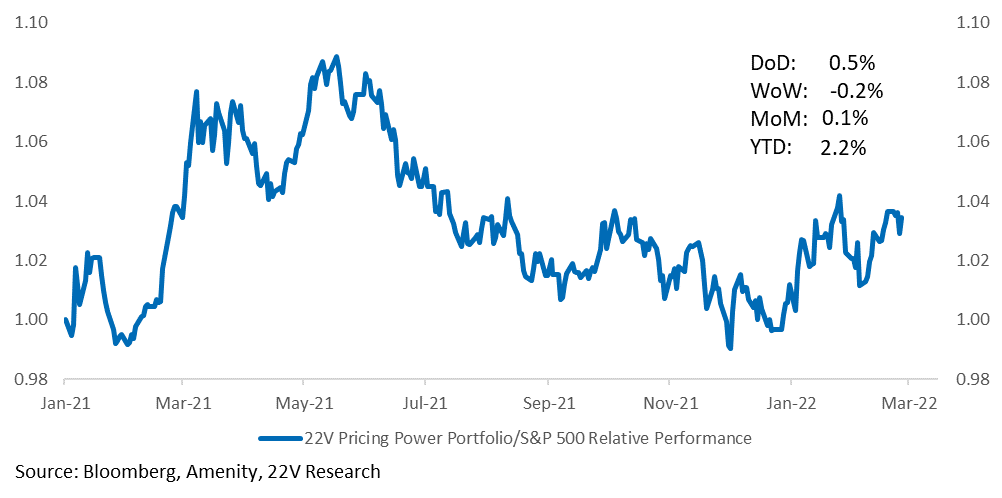
Bottom line, we would focus on companies that can maintain pricing power despite tighter financial conditions. The 22V pricing power portfolio (rebalanced this morning) consists of companies with high relative pricing powering sentiment expressed during 4Q earnings call. The portfolio has outperformed the S&P by 2.2% YTD as inflation, the shift in fed policy and now Russia and Ukraine have become a problem.
At a factor level, our rebalanced pricing power portfolio has high exposure to Relative Size, Low Volatility and Realized Profitability (similar to the type of portfolio that benefits tighter financial conditions), while it is negatively correlated with Liquidity, Realized Value and Earnings Turbulence. Factor exposure shows the profitability of high pricing power names given high exposure to Realized Profitability and Quality of Earnings.
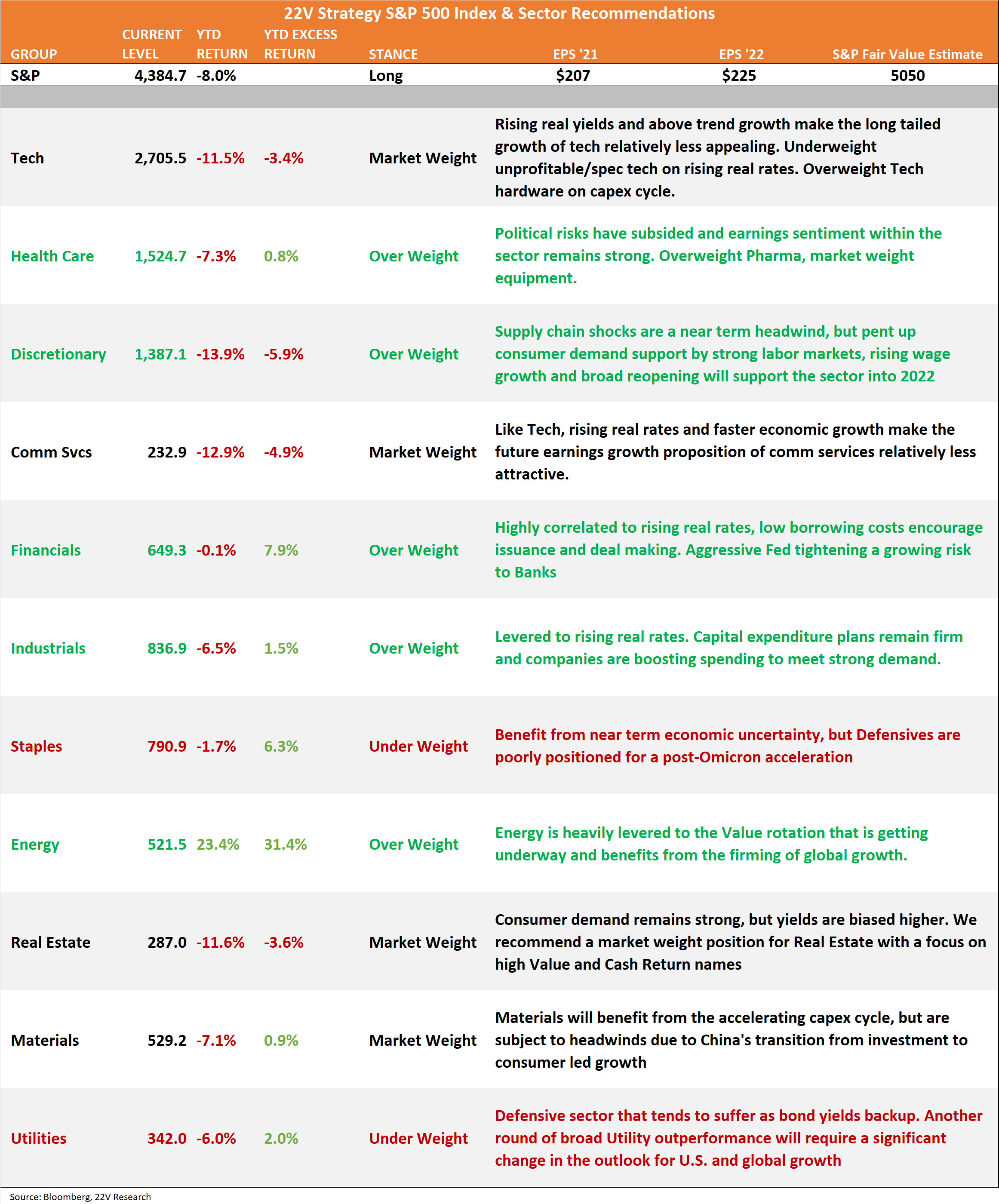
Sector Comments: Risk assets rose last week, despite tightening financial conditions and rising uncertainty tied to Russia’s invasion of Ukraine. Rising stock prices in this backdrop is another sign, along with volatility easing and credit conditions remaining easy, that much of the pre-war shift in the economic backdrop had been discounted. Central bank policy has become less clear as increasing financial restrictions placed on Russia add headwinds to global growth. Last week Defensive sectors outperformed as the Dollar rallied amid a general flight to safety. Near term, some softening of Fed rate hike expectations should be expected as uncertainty about the growth outlook increases. New financial sanctions enacted over the weekend, including a limited locking out of Russia from SWIFT and freezing of central bank reserves are overpowering any risk-on benefit from an expected easing of rate hike rhetoric. U.S. core inflation trends remain high though, home prices and rents continue to increase, and labor markets are tight, suggesting ongoing upward pressure on wages. Either geopolitical tensions will slow growth enough to allow for fewer Fed rate hikes, or further tightening of financial conditions will be needed to reduce inflation. Historically, risk assets have rebounded in the months following geo-political shocks. As long as tensions are rising though, safe assets should outperform risk.