
Our entire repository of COVID charts is HERE.
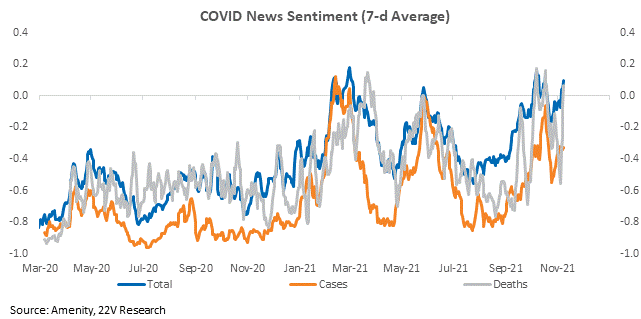
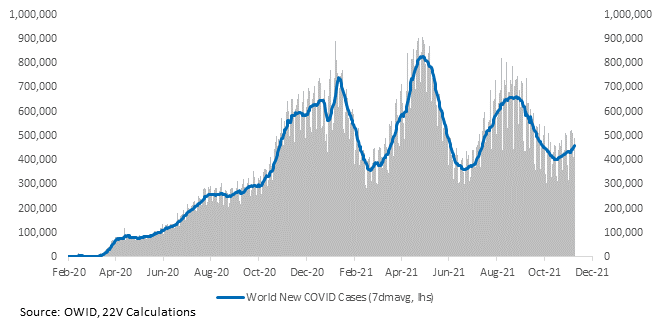
Total COVID news sentiment, an objective gauge of concern measured with Amenity’s natural language processor, improved again this week. It is now near its all-time high. Sentiment towards deaths and hospitalizations both increased substantially. Case growth sentiment, on the other hand, was steady as global case growth continues to increase. The disparity in sentiment between case growth and deaths and hospitalizations is a useful illustration of the effect of vaccines and better treatments in decoupling cases from severity. As a result, COVID waves have less of an impact on activity and economic growth. The positive news related to Pfizer’s COVID treatment pill likely contributed.

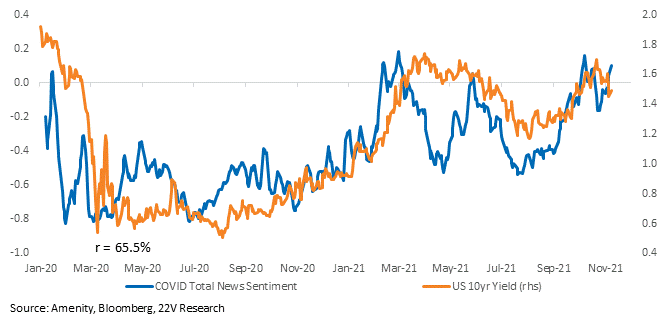
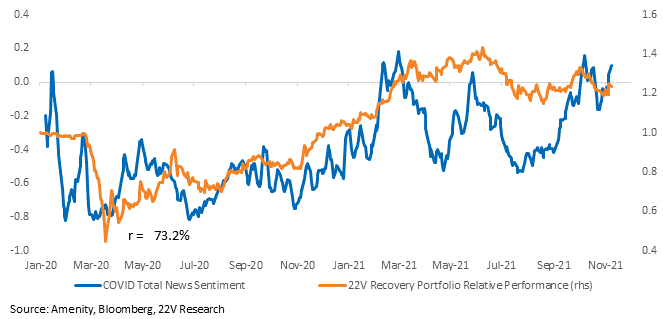
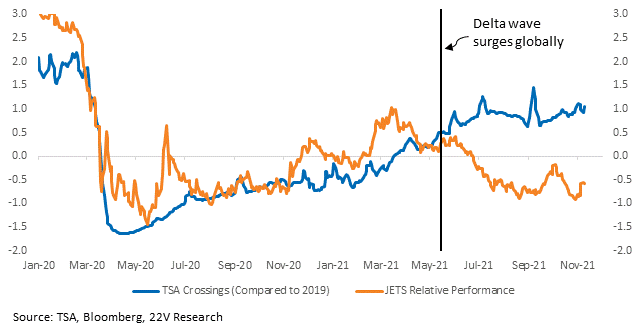
10yr yields are lower despite the increase in COVID sentiment, likely outweighed by intensifying concern about China. Our Recovery portfolio performance is lagging sentiment as well. As we wrote yesterday and this morning, there is more differentiation within the portfolio. Other factors (not just COVID) are driving performance as COVID fears recede. Airlines in particular are beginning to pick up as international flights resume.
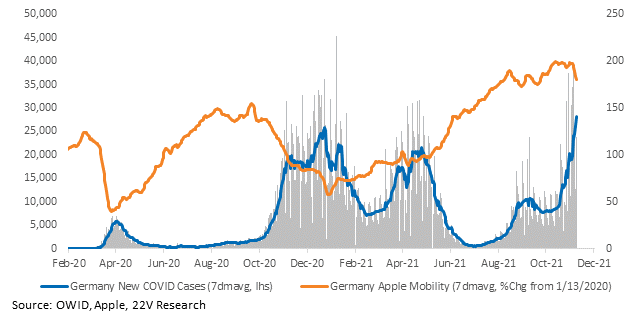
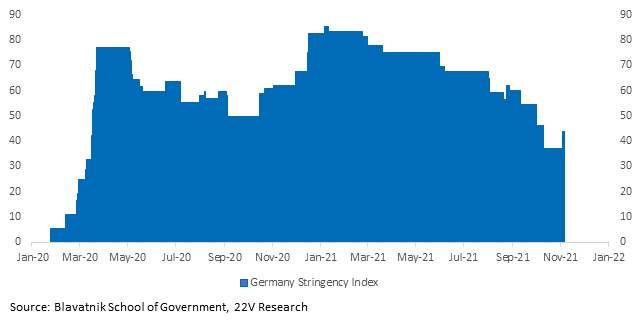
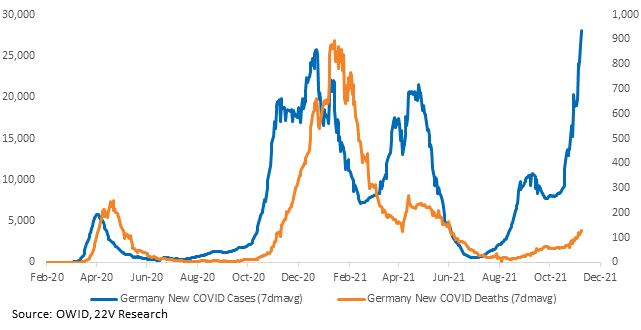
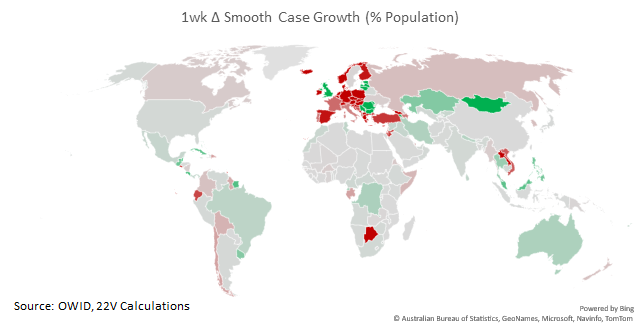
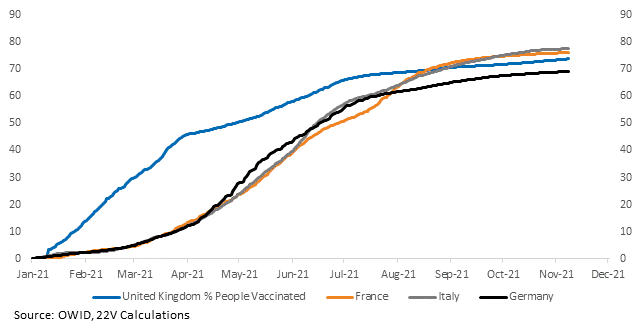
Smoothed case growth in Germany hit a new all-time high. Germany’s health minister reported that the new wave is “mainly among the unvaccinated,” which does limit the possible size and effect of the wave. The government is prepping new rules to handle the outbreak, which sounds scarier than it is; the rules are about testing and vaccinations, not lockdowns. Rules can be about vaccinations rather than lockdowns since vaccines are working (the outbreak is not in the vaccinated). Germany’s stringency index increased recently but is near a post-pandemic low. Mobility is still near an all-time high (and will decrease cyclically into the winter normally) while deaths remain low. Economically, the effect is not likely to be severe.
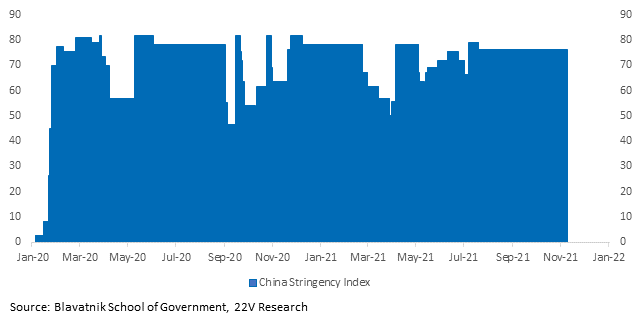
COVID is one of the risks impacting China (check out our work on real estate and credit here and here), which in turn increases concern over supply chains. China’s COVID data is opaque so we are following Oxford’s stringency indices to gauge China’s response. So far, no meaningful increase at the national level.
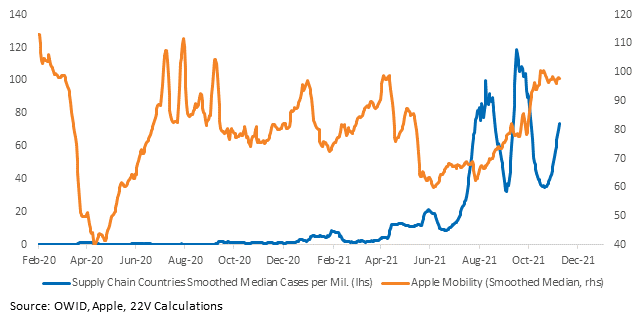
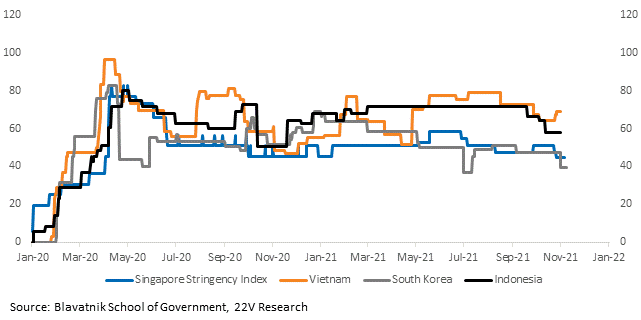
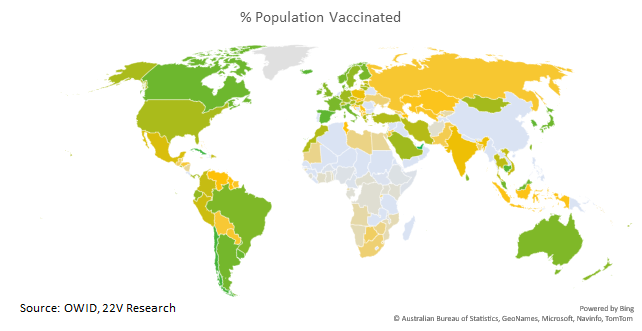
COVID trends in other supply chains are mixed. Case growth is higher, but mobility is still much higher than over the summer, there are less government-imposed restrictions, and vaccination rates are dramatically better.
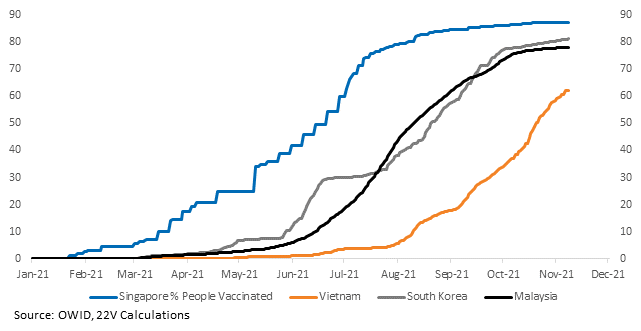
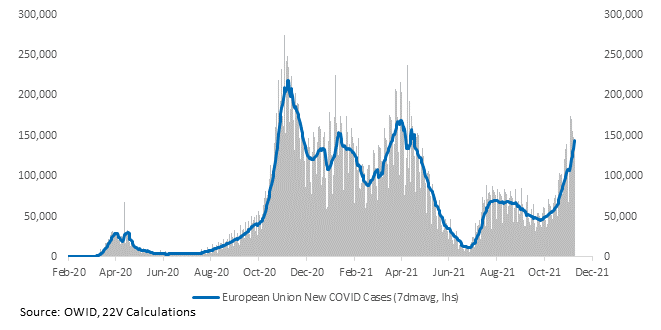
Globally, case growth is concentrated in Europe and Russia. Developed Europe has high vaccination rates, which (again) will help limit transmission and maintain activity.
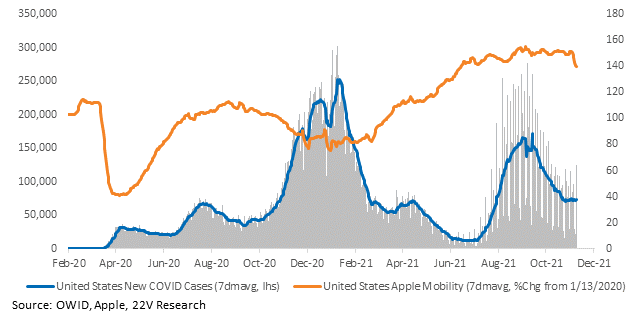
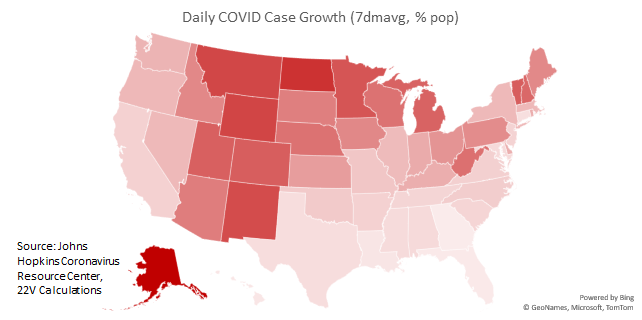
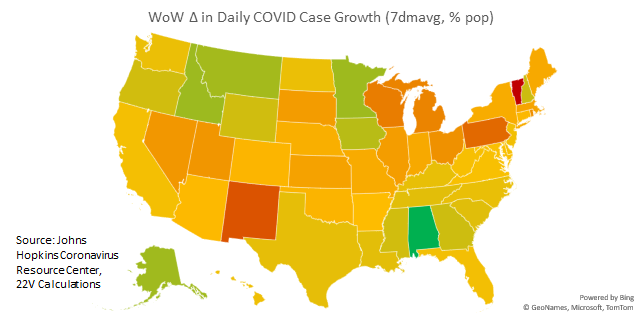
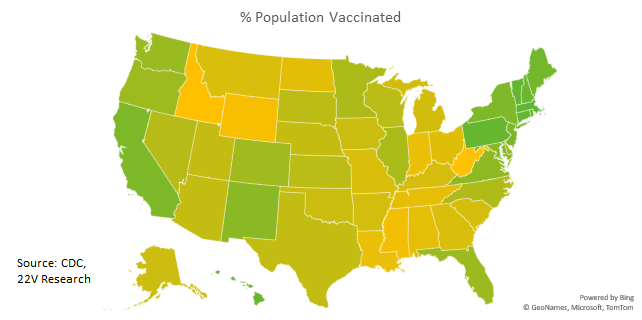
Case growth in the U.S. is flat. Activity is high. No new updates here.
Charts of every country and state we have data for are HERE.

