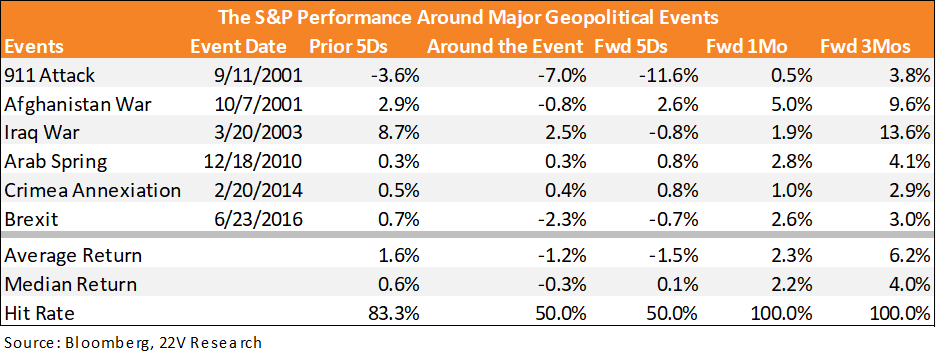
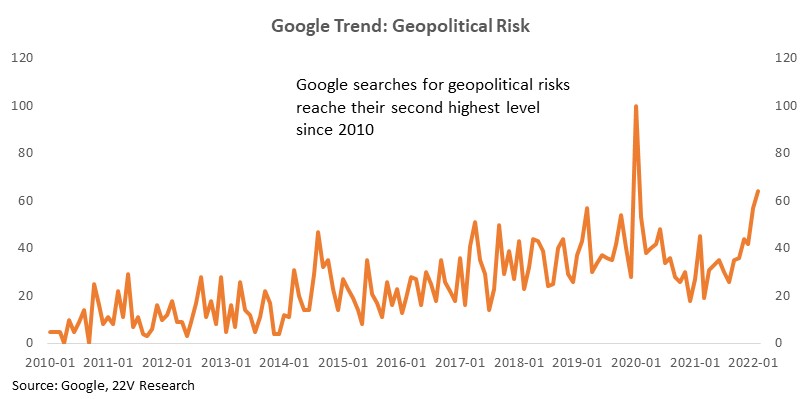
Russia’s invasion of Ukraine rattled markets and google searches for geopolitical risk climbed quickly, but investors seem to have adjusted to it swiftly. The S&P rebound from its overnight selloff to close higher yesterday and is up +2% today as of the time of writing. Implied volatility has fallen sharply (VIX down ~10 points off its high) but the VIX curve remains deeply negative (10th %tile). We looked back into six major geopolitical events since 2000 to calculate market performance around and after geopolitical shocks. The forward return shows geopolitical impacts on the S&P tend to be short-term, leaving pre-existing trends in place. 1 month and 3 months after the events, the S&P notched positive returns after every event.
It is important to keep in mind that this is a very small sample size and no two events are necessarily comparable. Including a few more events or adjusting the perceived start date for events could change the results significantly. We would stick to high level takeaways, the first of which is that market direction has not typically shifted due to geopolitical shocks.
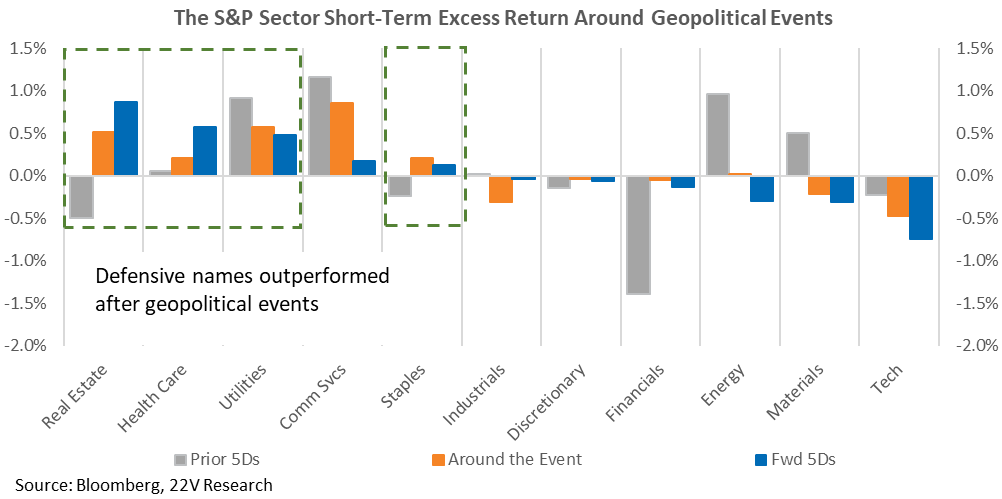
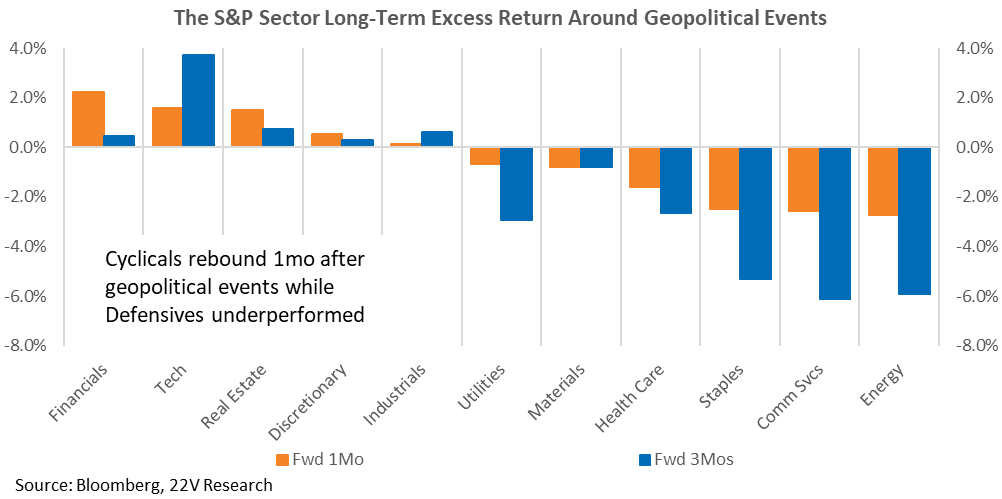
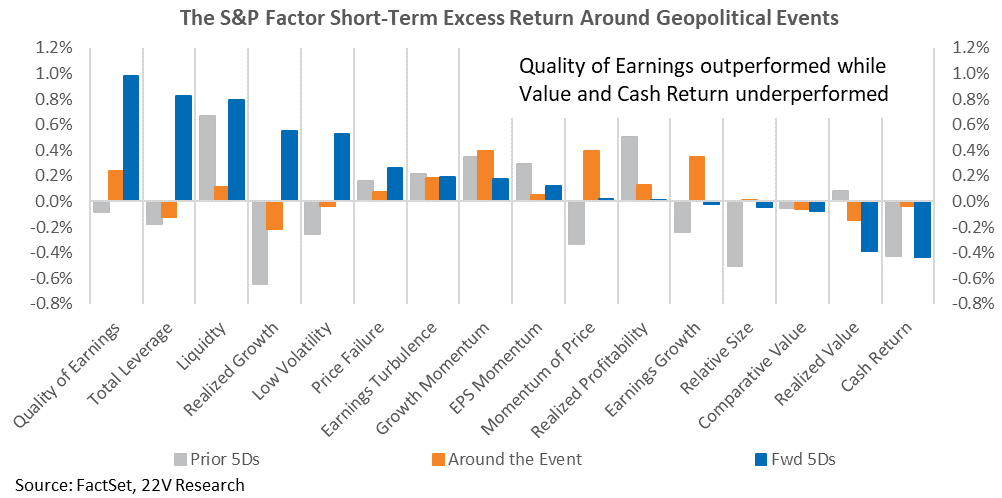
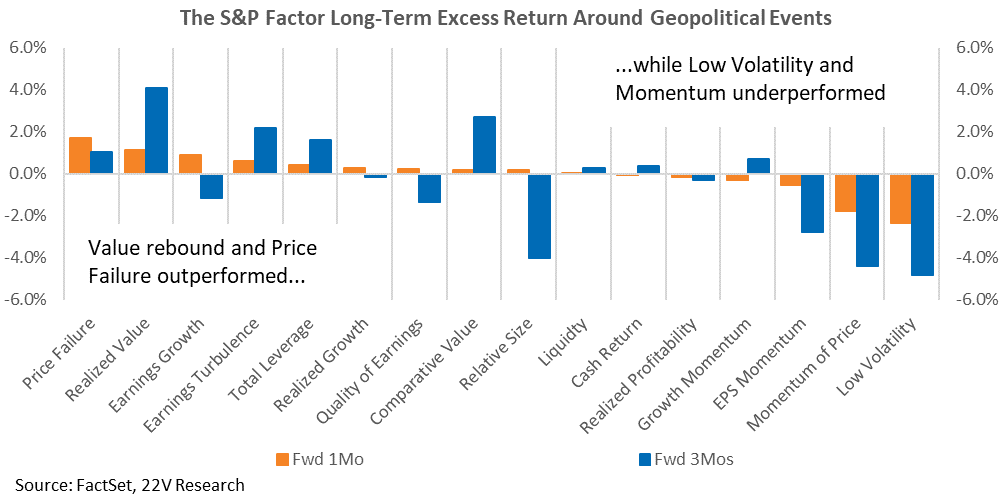
Looking into the sector and factor performance, there has generally been a short-term Defensive rotation followed by a Cyclical rebound. Defensives outperformed Cyclicals after geopolitical events but by one month out, the Cyclicals that fell hardest during selloffs tended to rally most (Financials and Tech generally). On the other hand, Energy and Communications dropped and underperformed other sectors. Quality of Earnings and Total Leverage were best performing factors 1 week after geopolitical events at the expense of Cash Return and Value factors, while Value rebound after, and Low Volatility and Momentum names fell most.
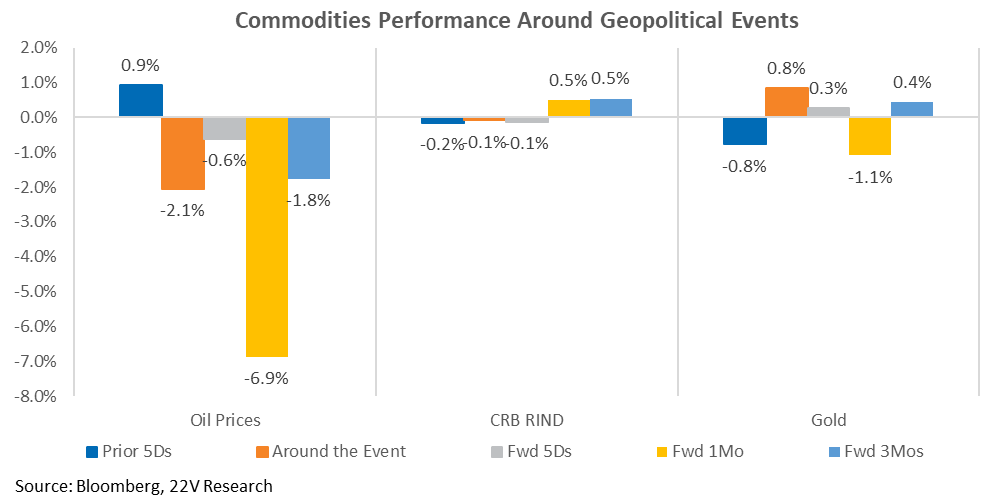
Within Commodities, oil prices dropped after previous events and remained down 3mos after the events. The downturns in the CRB RIND were shorter-term and industrial commodities tended to rebound. Performance of Gold was mixed both short and long-term.
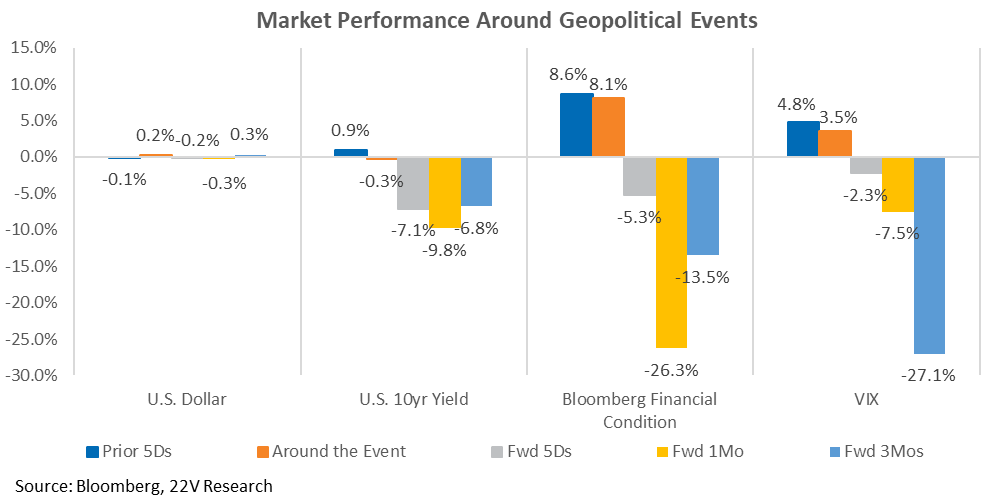
The U.S. Dollar was less sensitive to geopolitical risk. U.S. 10yr yield dropped both short-term and long-term after the events, but our sample period is one where bond yields tended to move lower. Financial conditions loosened after the events and volatility increased, but those changes reversed over 1 and 3mo periods.
Geopolitical Impacts on Markets: Russia’s invasion of Ukraine rattled markets. Google searches for geopolitical risk reached their second highest level since 2010. Investors seem to have adjusted to it quickly. The S&P rebound from its overnight selloff to close 1.5% higher yesterday and is up +2% today as of the time of writing. Commodity price gains have eased as well.
We looked at the market performance around major geopolitical events since 2000. Short-term, the S&P dropped -1.2% on average around the event (the day of the event and the following day) and -1.5% five trading days after the event. However, over a 1-month horizon, market returns rebound and the S&P was up after all 6 geopolitical events we analyzed. That suggests geopolitical events on market returns are short-term and do not change existing trends.

Looking at sectors, Defensive names tend to outperform Cyclicals short term after shocks. Real Estate and Health Care led sector performance 1 week after the events while Tech fell hardest. Yesterday, the market performance was more mixed and Tech led returns. Today’s returns have been more closely aligned with sector performance after geopolitical events historically.
Longer-term, Cyclicals tend to rebound from geopolitical events. The performance across the group, however, is far from uniform. Financials and Tech rebounded the most 1 month and 3 months after the event, while Energy and Communications underperformed the most.
Quality of Earnings and Total Leverage were leading factors short-term after geopolitical events. Cash Return and Value factors fell the most. Yesterday, Realized Growth and Liquidity outperformed while Realized Value and Low Volatility weakened.
In line with the reversal of sector performance, longer-term factor performance after major geopolitical risk also reflects the reversal trend. Price Failure and Realized Value took the leadership 1 month and 3 months after the events, while Low Volatility and Momentum factors fell.
Commodities prices are more mixed. Oil prices tend to outperform before the events and fell following them. Industrial commodities were mostly flat short-term and modestly higher 1 month after them. Gold prices, on the other hand, gained near term but fell 1 month after the events. It picked up again 3 months after the event. Gold appears influenced by events very short-term, and mean reverts some, but largely trades independent of these events.
The U.S. Dollar was also insensitive to geopolitical risk and remained flat. U.S. 10yr yield in general dropped after geopolitical events. As we are approaching the March Fed meeting, where a rate hike remains widely expected (though odds of a 50bp hike have fallen sharply) we would expect to see yields trend higher. Bloomberg Financial Conditions and implied volatility both spiked immediately after geopolitical shocks, but both dropped sharply after.