
Our entire repository of COVID charts is HERE.
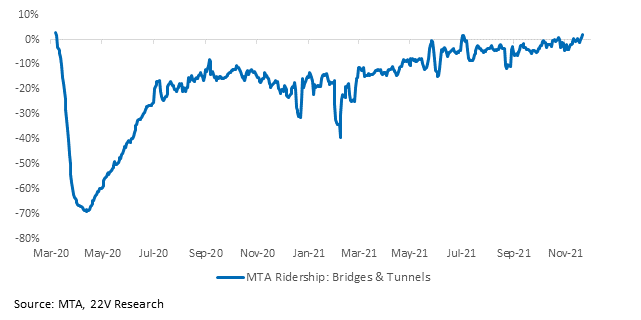
The TSA projects the number of air travelers this week to reach or exceed pre-pandemic levels and AAA predicts that 48.3 million people will travel at least 50 miles from home over the holiday period. TSA crossings have already risen this week to a post-pandemic high (data through Tuesday). MTA data shows bridge and tunnel traffic in the NYC area rose above 2019 levels (data through Monday). People are returning to normalcy despite increasing case growth.

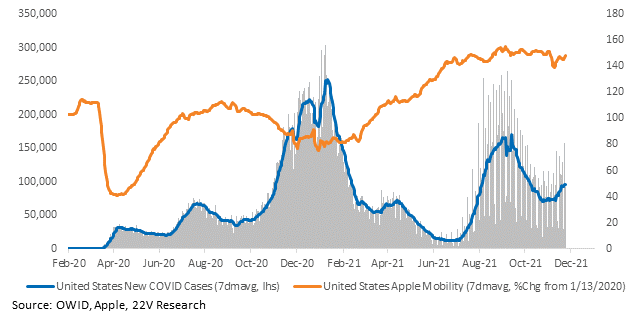
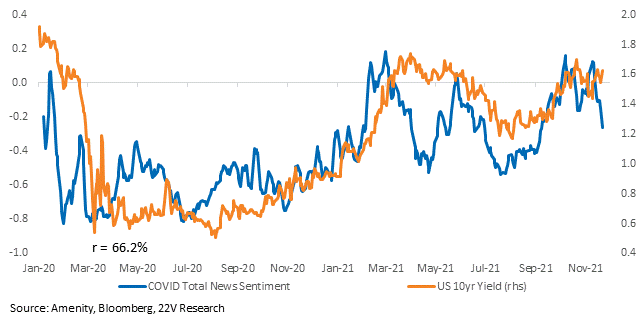
COVID sentiment deteriorated more this week but 10yr yields did not follow. Yields are less correlated with COVID sentiment changes now, suggesting other impulses are more important as COVID risk fades from the forefront. That’s despite case growth, which, as we’ve been writing, has less of an effect on overall economic activity. COVID left-tail risk has diminished because of more treatments and vaccinations. New antiviral pills may be particularly useful reducing severe infections in the most at-risk, which helps ease concern about hospitalizations and deaths in regions with poor vaccination rates. The U.S. government has placed large orders for both treatments (and is rolling out boosters, 73% are still willing to be vaccinated). This is important to keep in mind as COVID sentiment drops.
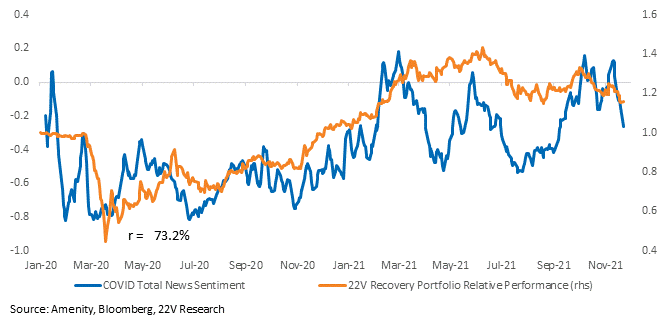
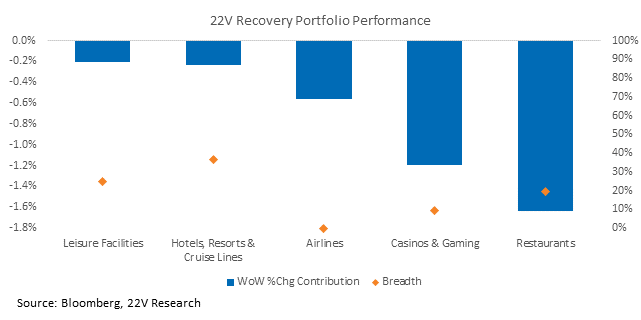
COVID sentiment still affects internal rotations. Our Recovery portfolio continues to underperform. Interestingly, no airline stock in the portfolio has increased this week. European case growth and input costs are a headwind to the group despite air traffic increasing in the rest of the world and the important US-UK route reopening emphatically.
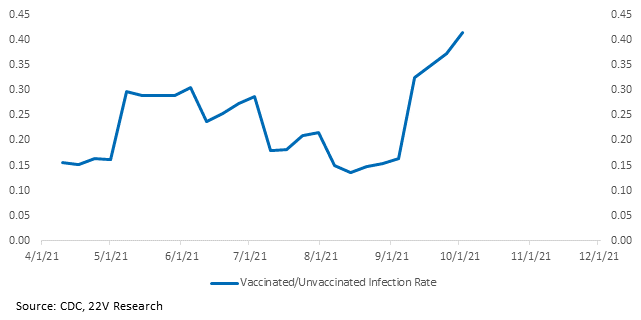
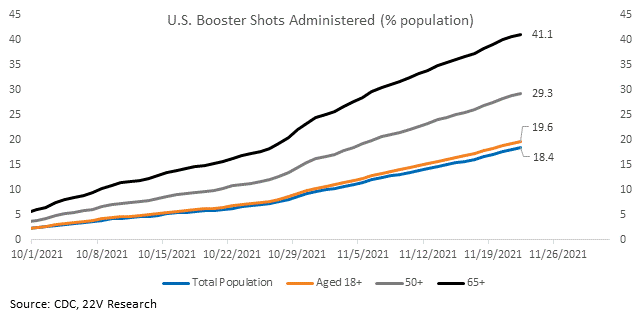
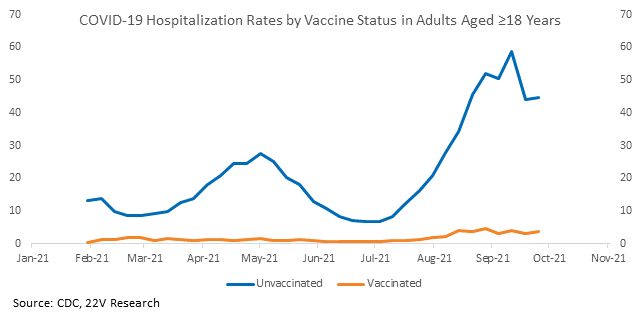
The CDC released some data on breakthrough cases, though there is a considerable time lag (latest data is October 2). The data does not offer timely info on current case growth, but it does show that the infection rate of vaccinated people started increasing relative to unvaccinated people in September. In other words, vaccinated people have started contracting COVID at a rate closer to that of the unvaccinated. This illustrates the importance of booster shots, especially heading into the holidays as travel plans skyrocket. On the bright side, 41% of those 65+ (the most vulnerable to serious illness) have received a booster. It is also important to note that the hospitalization rate for vaccinated people stayed extremely low through the end of September. Both are a good sign for protection against severe cases.
COVID sentiment in Europe is dropping as case growth continues to increase.
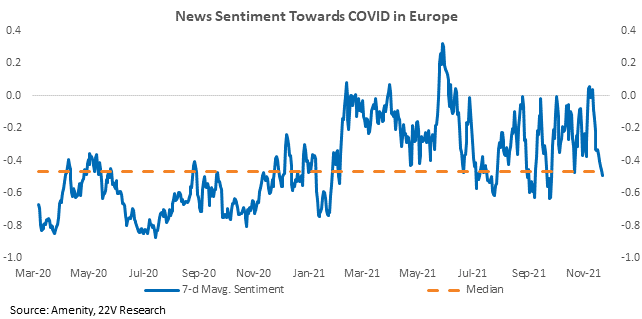
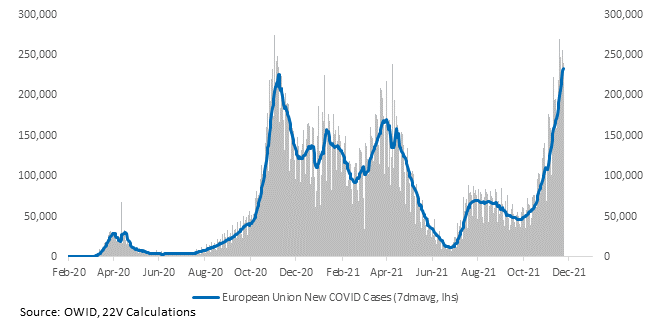
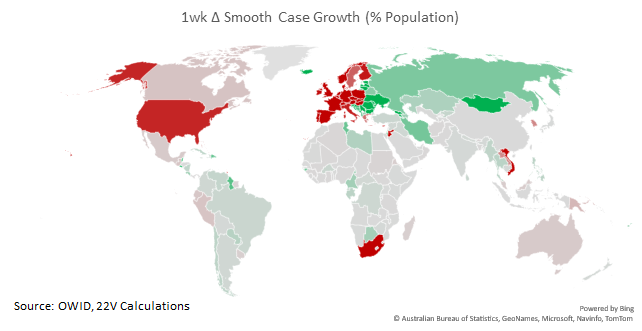
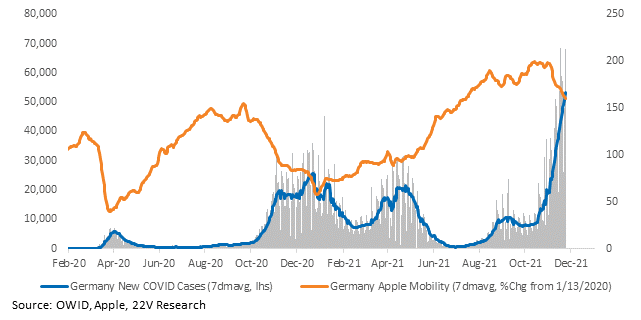
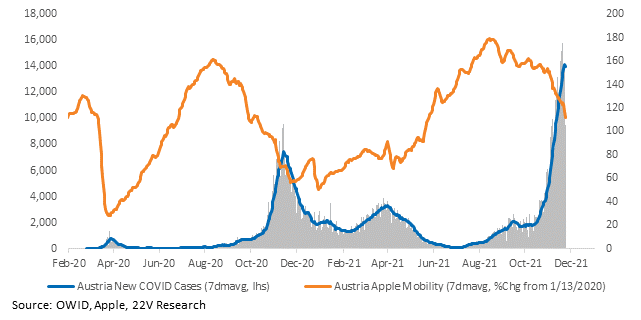
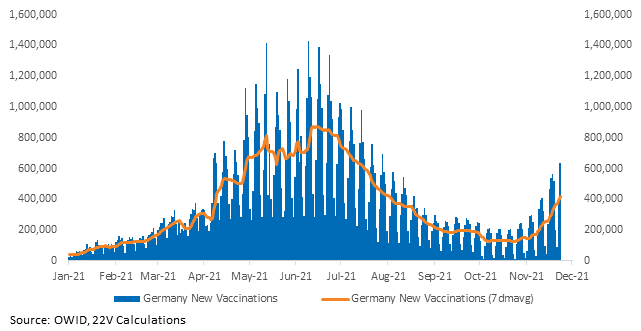
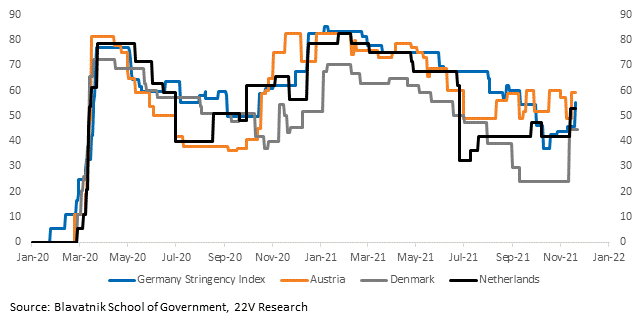
German officials are now considering compulsory vaccinations, similar to rules passed recently in Austria. New restrictions are being imposed, mostly focused on the unvaccinated. But booster shots are being rolled out to combat case growth and stringency indices in the hardest hit countries are well below early 2021. Austria-style lockdowns are still the anomaly; that’s likely to remain the case in higher vaccination countries. Restrictions this time around will not be as intense, thanks to vaccines and treatments.
Charts for every state and country we have data for are HERE.

