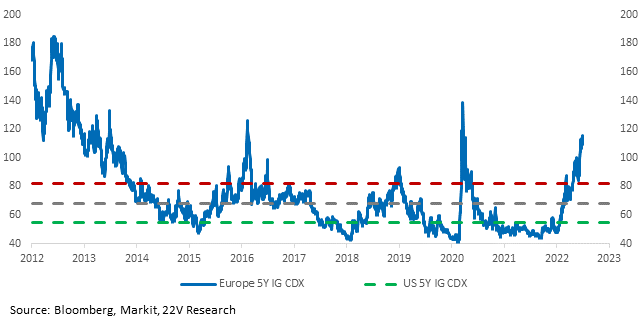
SUMMARY: The relatively hawkish tone from speakers at the ECB’s Sintra conference is leading to worries about a 50bp move in July if Eurozone CPI data is higher than expected (Eurozone CPI Friday, regional CPI data from Europe was mixed overnight). In the meantime, the real income shock Europe is facing from higher energy costs and threats of much higher short rates continues to push investment grade credit spreads significantly wider, suggesting a much slower economic growth outlook going forward.
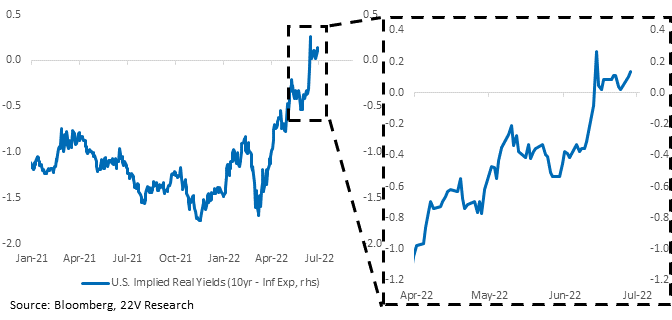
Real yields have increased the past few days, lower inflation expectations are driving the move higher in real yields (inflation expectations falling as 10yr yields are stable = higher real yields). Generally. that backdrop favors Energy, Industrials and Financials, and is negative for Tech, Discretionary and Comm Services. We are long for a TRADE in Energy/Industrial/Fins through payroll next week at a minimum.
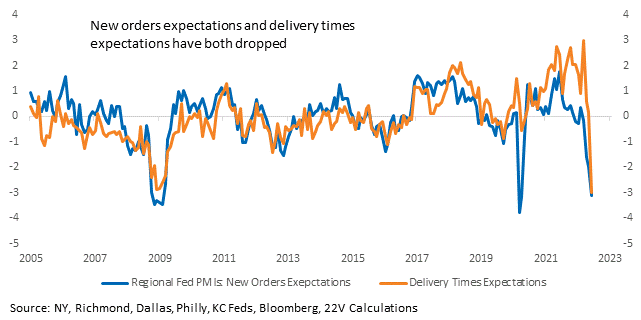
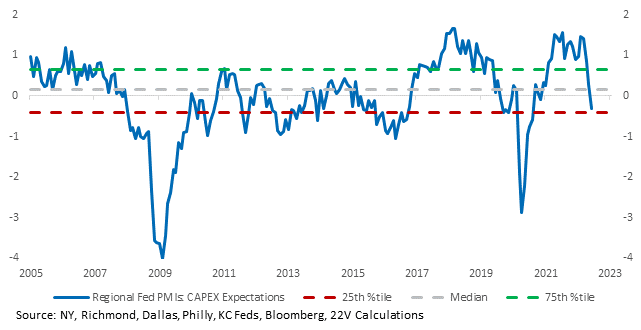
Longer term, 10yr yields will follow inflation expectations lower. Consider the regional PMI data. As Gerard noted, the sum of all the regional PMIs showed expectations for delivery times and new orders had collapsed. Manufacturers are expecting to order less and get it faster. That of course is disinflationary. At least for the goods sector. Capex expectations within the regional PMI data collapsed as well. Lower capex, or business spending in general, is a major longer-term headwind for economic growth.
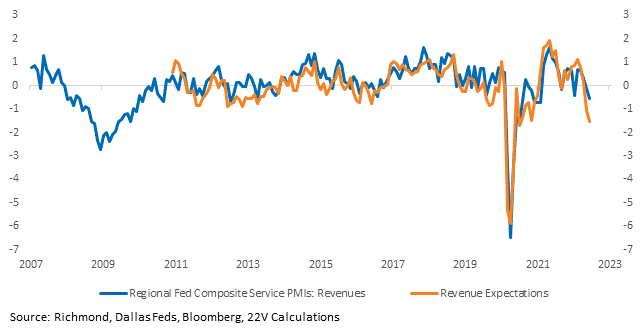
FYI, services are the vast majority of employment in the US and the extremely tight labor market is a major part of the reason we have an inflation problem. Services need to slow for CPI to come down. We think that will happen, but it will take a few months. Interestingly the Richmond & Dallas services PMI data moved much lower. Its only two regions and doesn’t fit with credit card data and travel & leisure data, which might be slowing at the margin, but is still too hot. While service spending is solid, CPI has some upside NEAR TERM risk. That is likely why 10yr rates can remain stubbornly high despite PMIs imploding and inflation expectations moving lower.
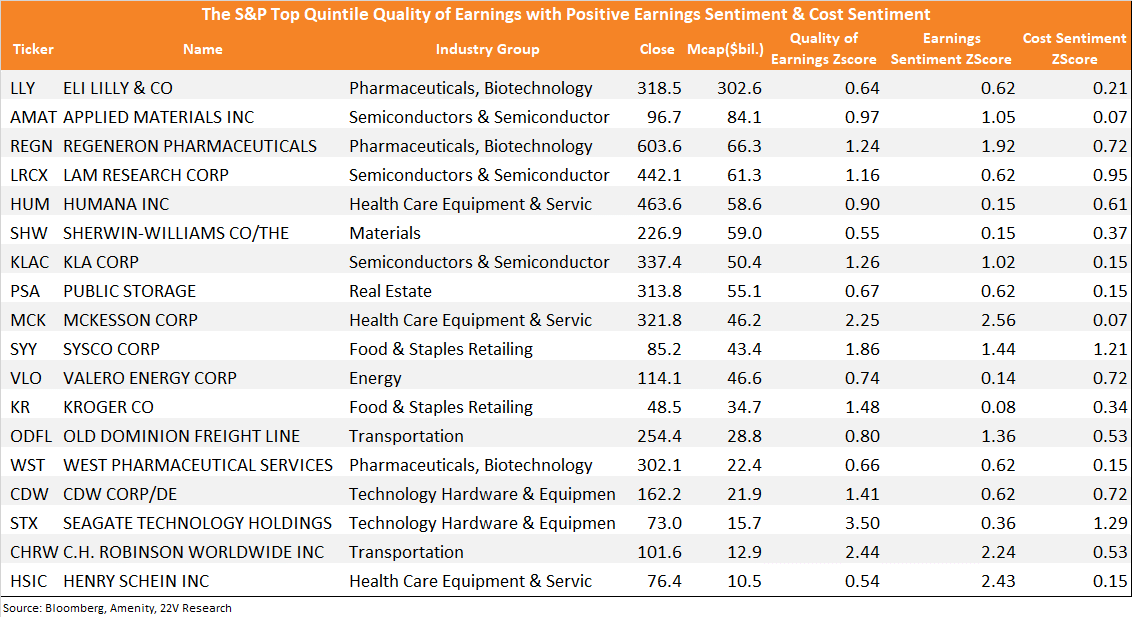
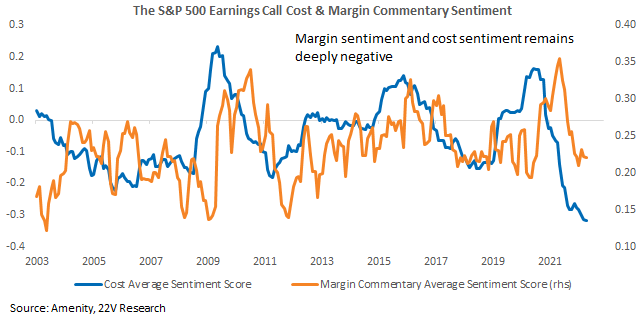
Earnings estimates are coming down and the entire world knows that. It is just a matter of how much EPS declines in a 1) sharp slowdown no recession scenario, 2) a shallow recession or 3) a deep recession. There are different market paths depending on how slow the growth outlook gets. In the meantime, as we focused on in the Quant report, companies that can maintain pricing power and have less negative cost exposure. These companies are becoming increasingly rare and valuable, and confusing. A lot of higher Quality names also face high cost pressures (list of stocks in the report).
Full report below.
MARKET VIEWS: It was a fairly volatile overnight session in rates markets as lower-than-expected German CPI data led to sharp decline in global bund yields but was eventually offset by higher than expected CPI in Spain and Belgium. The relatively hawkish tone from speakers at the ECB’s Sintra conference is leading to worries about a 50bp move in July if Eurozone CPI data is higher than expected. In the meantime, the real income shock Europe is facing from higher energy costs and threats of much higher short rates continues to push investment grade credit spreads significantly wider, suggesting a much slower economic growth outlook going forward. That has implications for global yields (will act as an anchor).
Internally, markets have been led by sectors that benefit from higher real yields over the past few days. Tech, Discretionary and Communication services had rebounded over the past few weeks, but have aggressively faded as real yields move higher. Interestingly, real yields have increased despite flat 10yr yields. Lower inflation expectations (particularly yesterday) are driving the move higher in real yields (inflation expectations falling as 10yr yields are stable = higher real yields).
The sharp decline in inflation expectations is being driven by weaker economic growth expectations and regional PMI data reinforced that trend. As Gerard noted, the sum of all the regional PMIs (the final one yesterday was Richmond) showed expectations for delivery times and new orders collapsed. Manufacturers are expecting to order less and get it faster. That of course is disinflationary. At least for the goods sector.

Capex expectations within the regional PMI data collapsed as well. They are now at their 25th %tile. Lower capex, or business spending in general, is a major longer-term headwind for economic growth.
Interestingly, the service economy PMI data from Dallas and Richmond has moved lower (side note, we didn’t realize Dallas and Richmond had regional service PMI data until yesterday. They are the only regions that have services data). The service economy is the vast majority of employment in the US, so a slowdown would be important in reducing job openings. Keep in mind that these are only two regions and the service PMI from Dallas & Richmond doesn’t seem to fit with credit card data and general travel & Leisure spending. Broader personal consumption spending is still pretty strong and could lead to SHORT TERM upside surprise CPI readings.
All the above fits into a lower earnings outlook. The decline in earnings is expected by EVERYONE and we don’t have much to add to that convo. We agree. It is just a matter of how much earnings decline and if we will a sharp slowdown in econ growth but no recession, a shallow recession or a deep recession. There are different market paths depending on how slow the growth outlook gets. That is why we are focused on companies that can maintain pricing power and have less negative cost exposure. These companies are becoming increasingly rare and valuable as more companies are likely to miss estimates as slower growth translates into EPS misses and negative revisions.
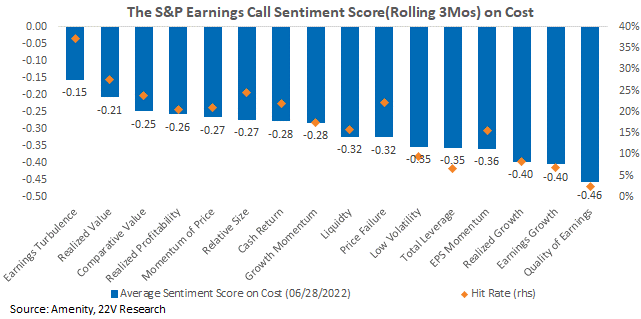
Quality of Earnings and Growth factors, two groups investors are likely to favor in a slowing growth backdrop, also have some of the lowest cost sentiment. That helps explain why Quality has struggled so far in 2022, despite the general de-risking rotation. At the same time, risk factors like Earnings Turbulence and Value have relatively high-cost sentiment scores. This is a VERY important point. High quality names with outsized negative cost exposure are at risk of missing earnings, potentially more severely than higher turbulence names that are less exposed to the current increase in costs. Energy, the sector with the highest exposure to Earnings Turbulence and Realized Value, is relatively insulted from the deterioration in cost sentiment. The more Defensive Staples sector has VERY negative cost sentiment.
The top quintile Quality of Earnings names within the S&P that posted positive Earnings sentiment and Cost sentiment are listed below.