

Two of the three congressional summer work periods remain with the current one set to end on the 25th or 26th of this month. In a nod to societal and market trends, the June legislative session features daily dominance of legacy and new tech developments. President Trump, naturally or preternaturally to some, adds a dose of unusual institutional friction between the first and second branches, members of his party included. This odd development five months from midterm elections lands as public sentiment focuses increasingly on the tech sector’s downside risks.
Speaking of 2026 election, Jacob Rubashkin of InsideElections joins us next Monday morning at 10:30 to mark to market his midterm election views based on the team’s latest work in the field. Please contact your 22V sales partner to sign up.
June Outlook
I created a subjective market relevance score assignment based on conversations with you and subject matter volatility of the substantive or headline variety. One to ten, with the last implying max investor interest. Topics are listed in anticipated chronological order each would begin floor or committee consideration. Like money, timing is fungible all but guaranteeing an update late this or early next week jumbles order or ranking.
- Reconciliation (5-9). The wide range accommodates the possibility of $350b or so of defense spending via the Budget Act’s privileged and expedited rules. If limited to ICE money, the lower end of the range would apply. The frictions mentioned above could push some or all of this into July, a scenario difficult to reliably gauge given unpredictable decisions.
- Annual defense legislative process and FY26 supplemental spending (7-9). Across the agencies affected by government authorization/appropriation arrangement, the defense committees most tightly coordinate. The plan through May 21 had been for authorizers to set a FY27 $1.15t cap, a 28% nominal increase over FY26 appropriations. Until the Cassidy/Cornyn primaries dissonance and now Pulte surprise, the plan was to move an additional $350b of defense money through reconciliation. This would satisfy Trump’s $1.5t defense budget idea.
- Foreign Intelligence Surveillance Act (4-6). China instigated this piece of superpower tech competition. Beijing and companies under its umbrella sell surveillance tech to the third through fifth quintiles of the G50. AI of course greatly enhances these capabilities. US technology and capitalists backing it create markets for systems and products, a development embraced by the Administration perhaps inadvertently. Geopolitical competition and US investment opportunities inform my ranking. The current short-term extension of crucial Section 702 expires June 12. This bill tops the list of legislative victims of the Pulte decision.
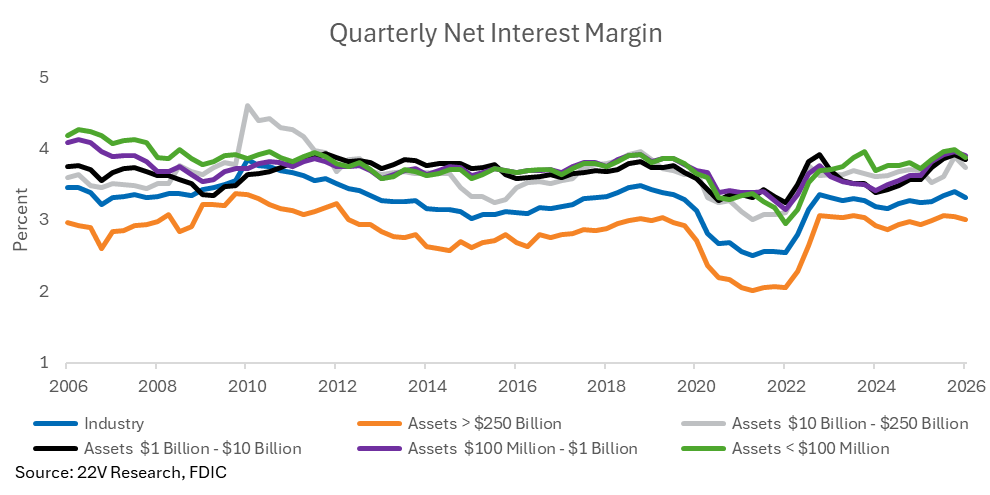
- CLARITY Act (7-9). Crypto political action giving the past five years has not yet produced legislation favored by digital asset proponents. I’ve written for many years that a cogent legislated rules set would energize the sector – a view I have not changed. I would think DC eventually legislates on tokens, stablecoin, and decentralized financial stability guardrails but this year seems unlikely for at least two reasons. First, few of the Senate GOP’s 6-7 suddenly emboldened free agents need industry money or employment and might find a Trump family priority easy to resist. But more importantly, banks of all sizes have not shown willingness to find common ground with CLARITY proponents. Yield, rewards, and a general lack of application to fintech of the alphabet soup rules banks endure daily (AML, BSA, and KYC) represent hurdles to election year enactment. Smaller banks with less sophisticated balance sheets benefit from fewer rules but also generate fewer lines of revenue, emphasizing bottom line importance of any revenue line. The FDIC chart below shows that net interest income greatly helps <$1b banks especially those <$100m of total assets.
As alluded, events very likely justify regular updates of my views. As of late afternoon June 3, neither Speaker Johnson nor Senate Majority Leader Thune has enunciated a schedule or plan to consider legislation mentioned in this note. Once they accomplish that chore, I’ll add odds of summer enactment to my investor salience rankings.

