

SUMMARY: The direction of travel is slower growth and lower inflation. The questions are how quickly and to what LEVEL inflation slows. Near term, yesterday’s retail sales report complicates that view but does not change it. Per Gerard (HERE), the retail sales report, and what it implies for real PCE, lowers the odds of a 25 bp hike in December and reinforces the central case of 50 bp and no announcement of completion at the FOMC. 50bp is consensus.
But the path of the market and internal trends is not about 25 vs. 50bp in December, it is about the back end of the fed funds futures curve. If the worst of the CHANGE in fiscal tightening is behind us and lower inflation helps support real income growth (the labor income proxy should remain positive), markets could price out some of the assumed cuts in late ‘23/24 if growth remains firm. It’s not necessarily about the peak fed funds rate, its how long it stays near that peak that will determine how long economic growth will still below trend. Markets are unlikely to keep gapping higher into Payroll given still strong spending data.
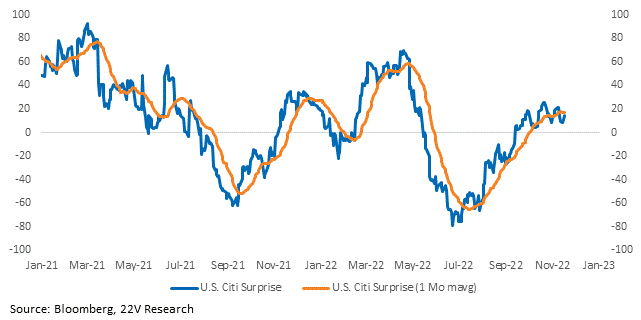
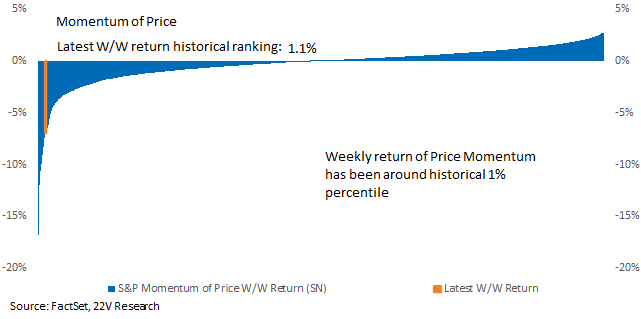
Following retail sales, equities dropped, Defensives outperformed Cyclicals by 1.2%, and yield curves had a 2nd percentile flattener (pricing in higher short rates for longer and the damage that could do to the econ). Dependence on unknowable data can continue to stir up volatility, but given data is trending lower means this is a very different backdrop than earlier in the year. Yes, the back end of the futures curve could shift higher, but don’t expect the Fed to aggressively tighten financial conditions either. Bottom line: The market has been rallying as the pace of economic data beats in the US has slowed. It would help if surprise indices turned lower again (though not too negative). As we highlight below, the forward returns for Mo and Low Vol are weak when they have huge moves lower, which is a good part of the reason why we don’t think risk off is a way to set up now. Payroll could change that.

CHINA: Speculation about zero covid is circulating more frequently. Investor optimism has been buoyed by signs of easing, but COVID cases are increasing and in the last 24-48 hours, the central government has sought to reemphasize that the focus on containment hasn’t changed (see the commitment in the People’s Daily today). Michael Hirson, head of 22V China research, says to watch the outbreak in Guangzhou, the messaging from China’s leadership (particularly when Xi returns), and behavior of other local governments (frequency of PCR tests, progress in vaccinations, and other preparations for a pivot). How this plays out has important implications for energy and broader commodity prices.
Full report below…
MARKET VIEWS: There is quite a bit of China news out overnight, which we focus on at the end of this report. First, we’re detailing our main call. There are another 4 Fed speakers today, but data matters more than Fed speak (outside of Powell and Brainard). Williams is impactful too, but his belief that the Fed should ignore financial stability conditions, which he reiterated yesterday, is not in the consensus. Direction of travel is slower growth, lower inflation. Retail sales complicates that view some but does not change it. Per Gerard (HERE), the retail sales report, and what it implies for real PCE, lowers the odds of 25 bps in December and reinforces the central case of 50 bps and no announcement of completion at the FOMC. 50bps is consensus.
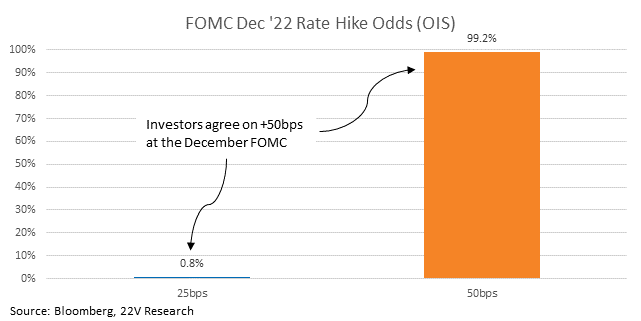
Equities dropped, Defensives outperformed Cyclicals by 1.2%, and yield curves had a 2nd percentile flattener. But rate hike expectations remained stable; there was no meaningful change d/d and expectations are still right near the levels hit after CPI.
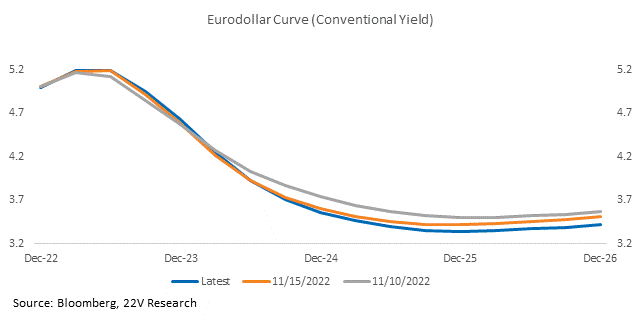
And as we detailed yesterday (HERE), there are clear signs of consumer slowing and the credit impulse is fading (HERE). Dependence on unknowable data can continue to stir up vol, but that the data is trending slower puts us in very different backdrop than earlier in the year. The market has been rallying as the pace of economic data beats in the US has slowed. It would help if surprise indices turned lower again (though not too negative).
Short term curve flattening is bad for risk-on internals, but the harshness of the risk-off selloff (4 std dev selloff in Momentum after the CPI report) makes it dangerous to try to play a short-term defensive rotation.
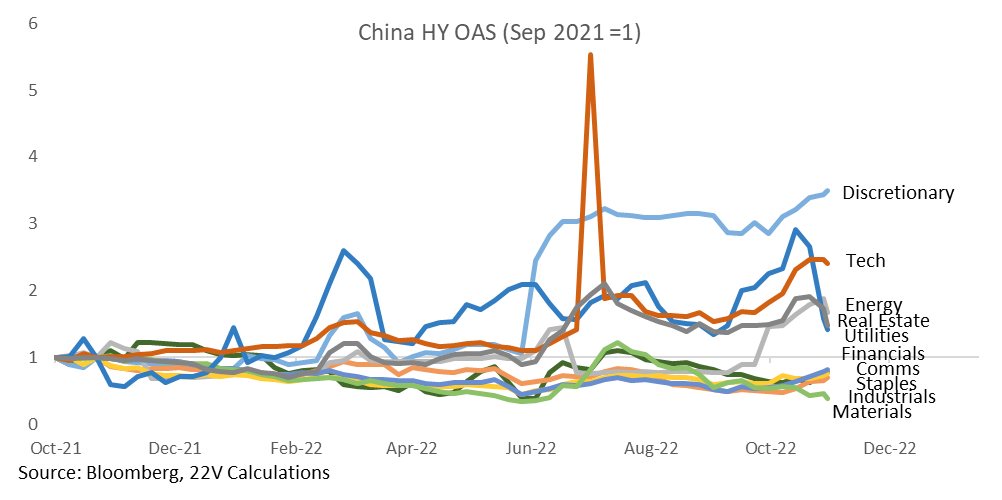
CHINA: Couple concerning headlines overnight. 1) Chinese regulators asked banks to report on their ability to meet short-term obligations after a rapid selloff in bonds (here). 2) MNI reported Chinese property developers are still at risk of defaulting despite Beijing’s rescue package (here). But HY OAS has narrowed recently, especially in the Real Estate sector. Investors are pricing in lower default odds, despite what headlines report.
Michael Hirson, head of 22V China research, noted (HERE) investor sentiment has been buoyed by speculation that zero COVID will end soon, but COVID cases are increasing and in the last 24-48 hours, the central government has sought to reemphasize that the focus on containment hasn’t changed (see the commitment in the People’s Daily today). Watch the outbreak in Guangzhou, the messaging from China’s leadership (particularly when Xi returns), and behavior of other local governments (frequency of PCR tests, progress in vaccinations, and other preparations for a pivot).
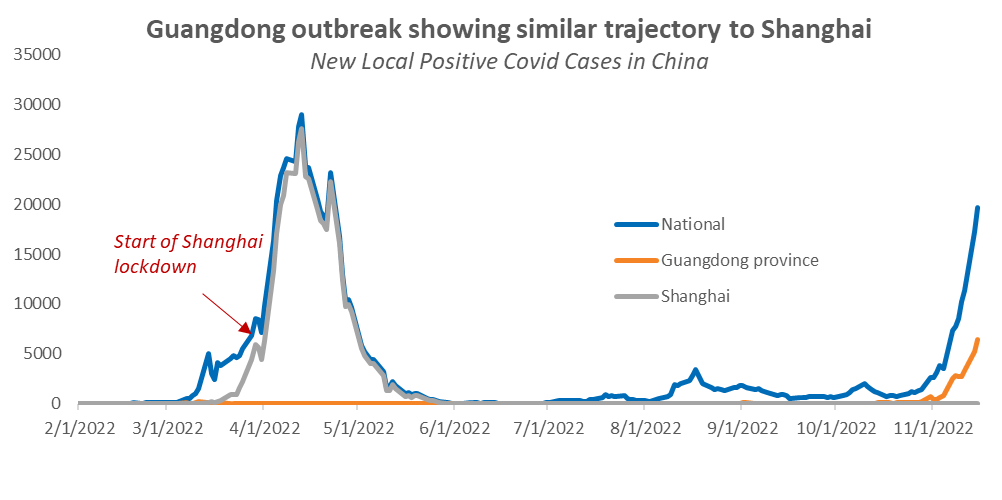
Source: Bloomberg, 22V Research

