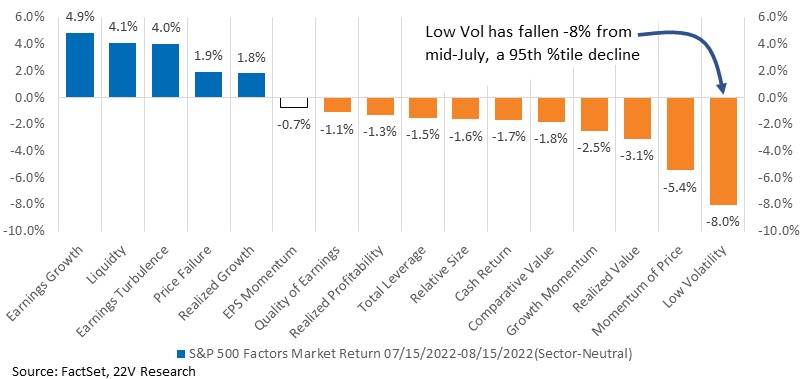
SUMMARY: UST yields were already moving higher overnight as investors focus on the potential hawkish “additions” to the FOMC minutes (they can be edited at the margin) and the potential for Powell to be hawkish at Jackson Hole next week. UST yields accelerated to the upside, following UK yields higher, after the larger than expected UK CPI print (10.1% vs 9.4% last). Bottom line from us: Financial conditions, after easing significantly over the past ~two months, likely need to tighten for the Fed to reach its inflation targets. We believe the market is a fade as a result as the next few months could offer a combination of slowing growth and a still hawkish fed. As financial conditions tighten, expect the low volatility factor, which has had a 95th %tile decline over the last few months, to rebound. Low volatility tends to do well as financial conditions tighten. Earnings Turbulence tends to do poorly. Same with Growth factors.

Big retailer earnings took a hit this morning after TGT missed EPS estimates by -46% and their comments read like a macro hit list. “This year’s gross margin rate reflected higher markdown rates, driven primarily by the inventory impairments and actions taken to address lower than expected sales in discretionary categories, as well as higher merchandise, inventory shrink, and freight costs.” They also cited higher wages as a reason for the decline in profitability. The Fed’s path to lower inflation is through slower growth and weaker pricing power. As that plays out, particularly while labor markets remain tight, corporate margins and earnings will remain under pressure.
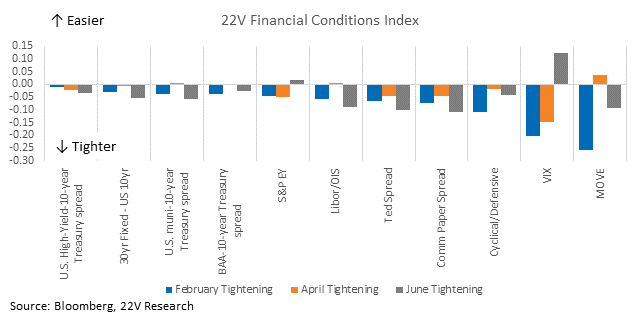
The first phase of the rebound, from the June low to mid-July, was PE driven, reflective of easing concerns about a deep recession. Over the past month, equities have rallied sharply on easing financial conditions, that may need to be reversed by the Fed. During the intense tightening of financial conditions at the beginning of the year, when the Fed first started jawboning conditions tighter, the VIX rose 20 points, Cyclicals underperformed Defensives -8.5%, and the S&P dropped -7%. As we mentioned yesterday (HERE), equities and vol have contributed the most to the recent easing. They are susceptible to tightening from Fedspeak again. Comments by Powell and Brainard will be most important in terms of signaling a potential shift in Fed policy toward tightening policy.
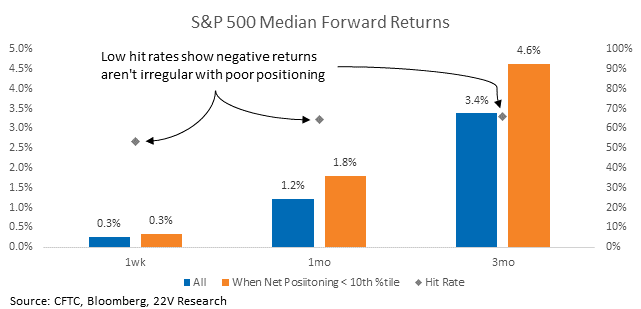
Important on Positioning: Can we expect a reversal lower despite deeply negative net positioning? Median forward returns are better than normal when positioning is below its 10th percentile, but the 1-week hit rate (% of returns that are positive) is a coin flip, and the 1-month and 3-month forward hit rates aren’t a guarantee either. Negative positioning doesn’t necessarily mean positive returns.
Full report below…
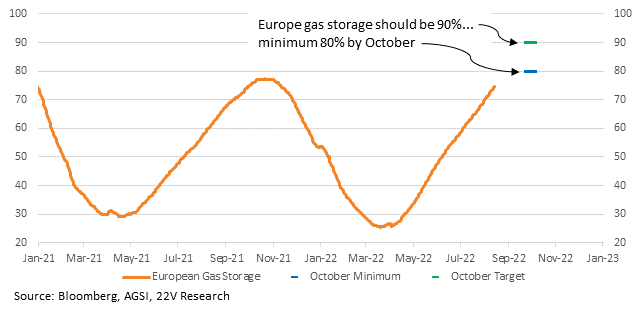
MARKET VIEWS: Lowe’s earnings report echoed the incoming margin pressure we highlighted yesterday (HERE) – profit beat but sales fell. The next phase is slowing demand growth with stable/lower prices, which is NOT good for margins. Elsewhere, UK inflation was hotter than expected, coming in at a 40-year high. Eurozone 2Q GDP was revised lower. Poor data in the bloc and its neighbors could contribute to John Roque’s call for another leg down in the euro (HERE). We’ve been hearing some optimism over gas storage, which is progressing at an encouraging rate and may lead to less-harsh crackdowns on usage during the winter. That takes some tail risk off the table, but the economic outlook is still poor.
TIGHTER FINANCIAL CONDITIONS: Volatility and equity internals contributed the most to the prior iterations of financial conditions tightening in Jan/Feb, April/May, and June/July. During the intense tightening at the beginning of the year, when the Fed first started jawboning conditions tighter, the VIX rose 20 points, Cyclicals underperformed Defensives by -8.5%, and the S&P dropped -7%. As we mentioned yesterday (HERE), equities and vol have contributed the most to the recent easing. They are susceptible to tightening from Fedspeak again. Look for Powell and Brainard though, markets have been ignoring the rest.
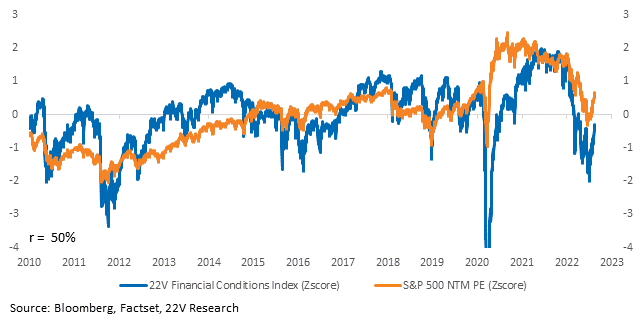
If financial conditions tighten, PEs will contract. PEs have been all of the recent rally, contributing +16.7% of the 15.5% gain (margins and sales have come down). This is a narrative-driven market and if the Fed changes the narrative, PEs will contribute to the tightening.
As financial conditions tighten, expect the low volatility factor, which has had a 95th %tile decline over the last few months, to rebound. Low volatility tends to do well as financial conditions tighten. Earnings Turbulence tends to do poorly. Same with Growth factors.
We mentioned that the rally out of the July Fed meeting was partially a lesson in positioning. Exposures were low and investors were negative into slightly dovish commentary (fyi, we don’t think the July FOMC was a tone change). Exposures are still low; CFTC positioning is in its 6th percentile. CFTC lags, but more up-to-date soft data, like BoFA’s survey, echo negative sentiment.
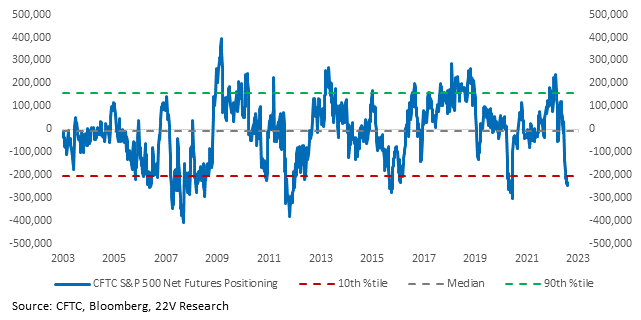
So, can we expect a reversal lower despite deeply negative net positioning? Median forward returns are better than normal when positioning is below its 10th percentile, but the 1-week hit rate (% of returns that are positive) is a coin flip, and the 1-month and 3-month forward hit rates aren’t a guarantee either. Negative positioning doesn’t necessarily mean positive returns.