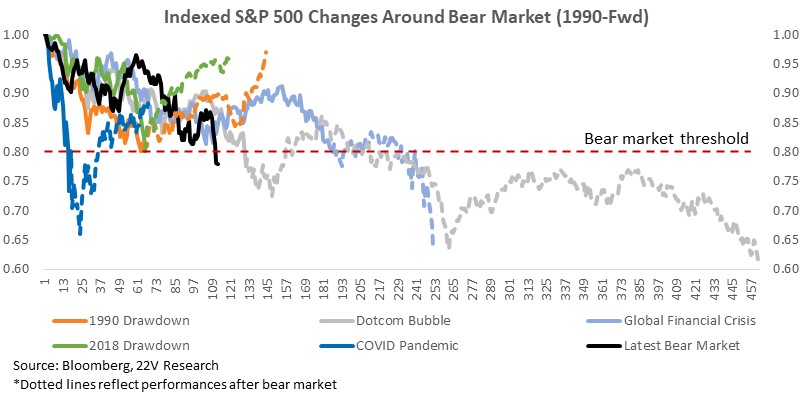
Still too strong CPI readings last Friday pushed the S&P sharply lower, Treasury yields to nearly 3.5%, and rate hike expectations sharply higher. Equities are now firmly in Bear market territory, down -22% from their cycle high. Lowering inflation appears to require more policy tightening than investors expected just a week ago, and that means increased recession and downside risk. -20% declines are rare (5 examples since 1990) and all have occurred around recessions. The duration of declines depends on the magnitude of the recession. Today, we don’t have enough data to predict if a recession will occur, let alone how long it might last.
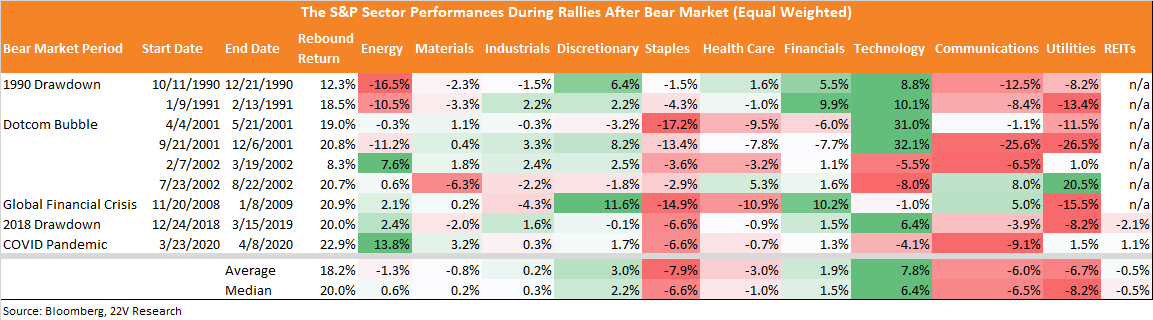
Looking at factor returns during bear market rallies after reaching bear markets, Earnings Turbulence and Price Failure consistently outperformed at the expense of Low Volatility and Momentum of Price. At the sector level, Technology and Discretionary outperformed after bear market rotation. While Utilities and Staples underperformed the most following the bear market rally. Those results are period-specific though. We would recommend focusing on factor screening and sectors/industry groups with low macro influence (not Energy, Banks, etc.). Factor exposures should matter more than sector allocations.
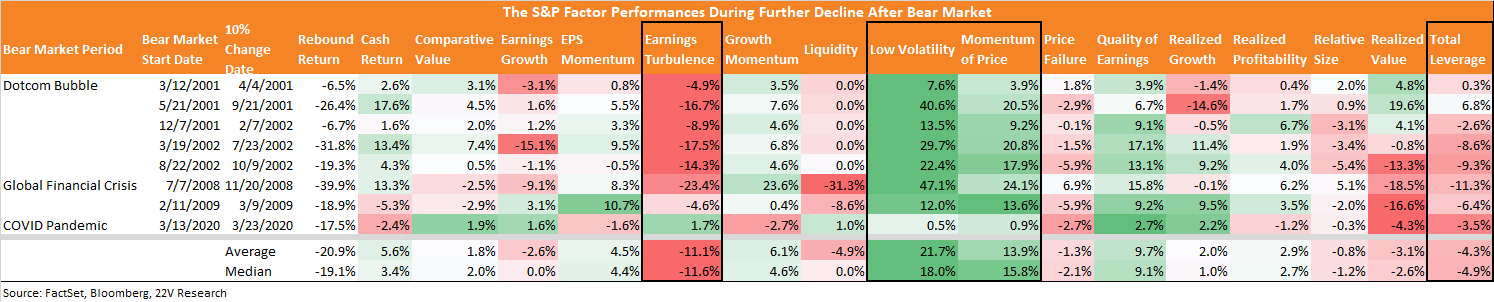
When bear markets lead to additional declines, or during retests of market lows, factor positioning tends to be reversed. Low Volatility and Momentum outperform the most, while Quality also posts consistent gains. Earnings Turbulence and high Leverage names struggle. The Value/Growth paradigm is a less useful framing than one of risk-on/off.
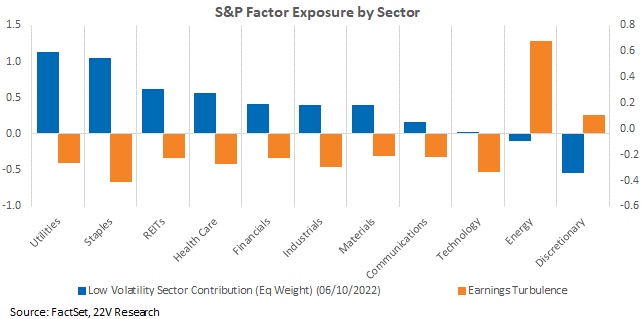
Currently, sector exposures towards factors are roughly in line with historical sector returns in bear markets. Defensives are highly exposed to Low Volatility, led by Utilities and Staples. Energy and Discretionary are more exposed to Earnings Turbulence. As we have noted a number of times, Energy is VERY macro-driven, but its factor exposure leaves it at risk if the bear market deepens, particularly if that comes alongside much higher recession risk.
Bear Markets: Still too strong CPI readings last Friday have pushed the S&P -7% lower, Treasury yields to nearly 3.5%, and rate hike expectations sharply higher. Equities are now firmly in Bear market territory, down -22% from their cycle high. Lowering inflation appears to require more policy tightening than investors expected just a week ago, and that means increased recession and downside risk. -20% declines are rare (5 examples since 1990) and all have occurred around recessions. The duration of declines depends on the magnitude of the recession. Near-term recession risk remains low, so a high conviction call on if there will be a recession remains difficult. Forecasting its duration requires data that is not yet available. What we know is that during all bear markets, there have been strong rallies, which vary significantly in length but also tend to follow predictable patterns.

Looking at factor returns during bear market rallies after reaching bear markets, Earnings Turbulence and Price Failure consistently outperformed at the expense of Low Volatility and Momentum of Price. During rallies 1) investors embrace risk-on factors, and 2) price momentum tends to reverse. Value and Growth returns are mixed during market rebounds. Risk factors are better screening tools during those market periods.

At the sector level, Technology and Discretionary outperformed after bear market rotation. While Utilities and Staples underperformed the most following the bear market rally. Those results are period specific though. We would recommend focusing on factor screening and sectors/industry groups with low macro influence (not Energy, Banks, etc.). Factor exposures should matter more than sector allocations.
When bear markets lead to additional declines, or during retests of market lows, factor positioning tends to be reversed. Low Volatility and Momentum outperform the most, while Quality also posts consistent gains. Earnings Turbulence and high Leverage names struggle. Again, the Value/Growth paradigm is a less useful framing than one of risk-on/off.
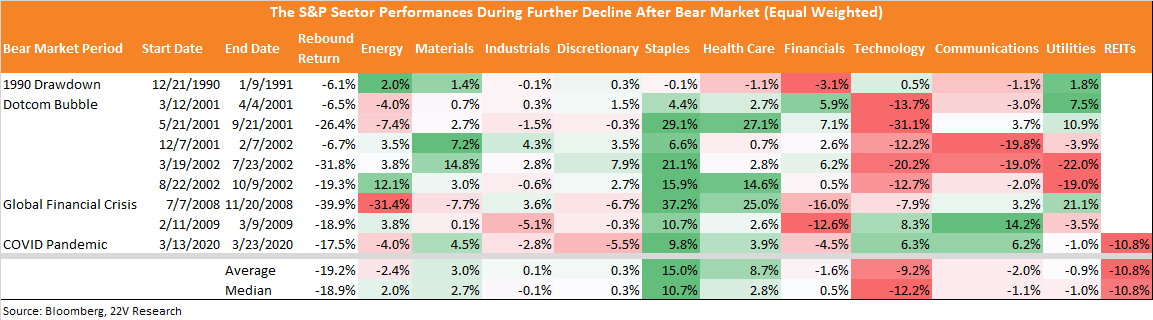
Sector returns during deep bear markets are more consistent than during rebounds. Defensive sectors such as Staples and Health Care tend to outperform most. Utilities tend to be strong returners into recessions, but returns to the group tend to reverse sharply toward the end of bear markets.
Factor Exposures Today: Currently, sector exposures towards factors are roughly in line with historical sector returns in bear markets. Defensives are highly exposed to Low Volatility, led by Utilities and Staples. Energy and Discretionary are more exposed to Earnings Turbulence. As we have noted a number of times, Energy is VERY macro-driven, but its factor exposure leaves it at risk if the bear market deepens, particularly if that comes alongside much higher recession risk.
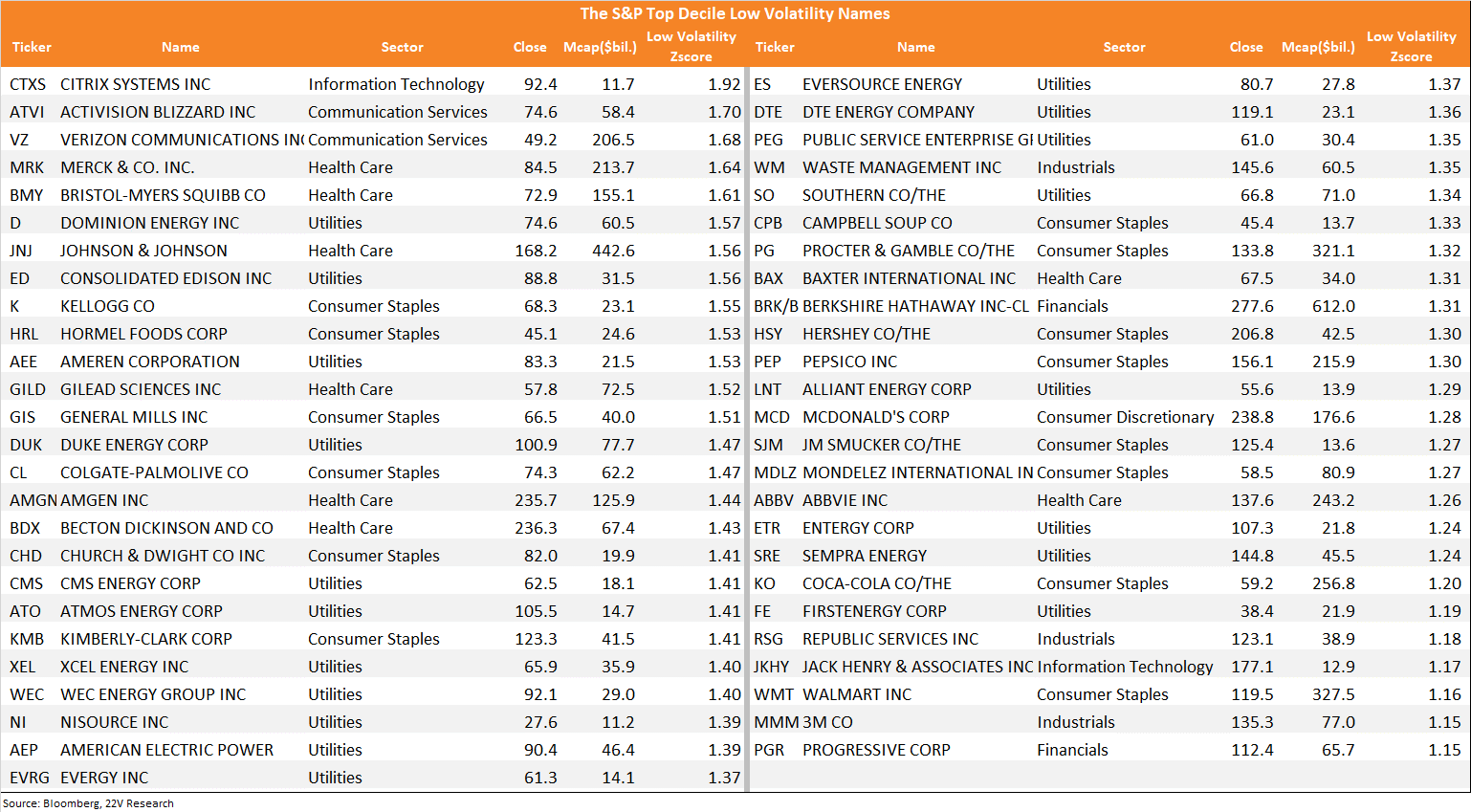
Below are the S&P names most exposed to Low Volatility. The names fall into risk-off theme and should outperform if equities continue to work lower.
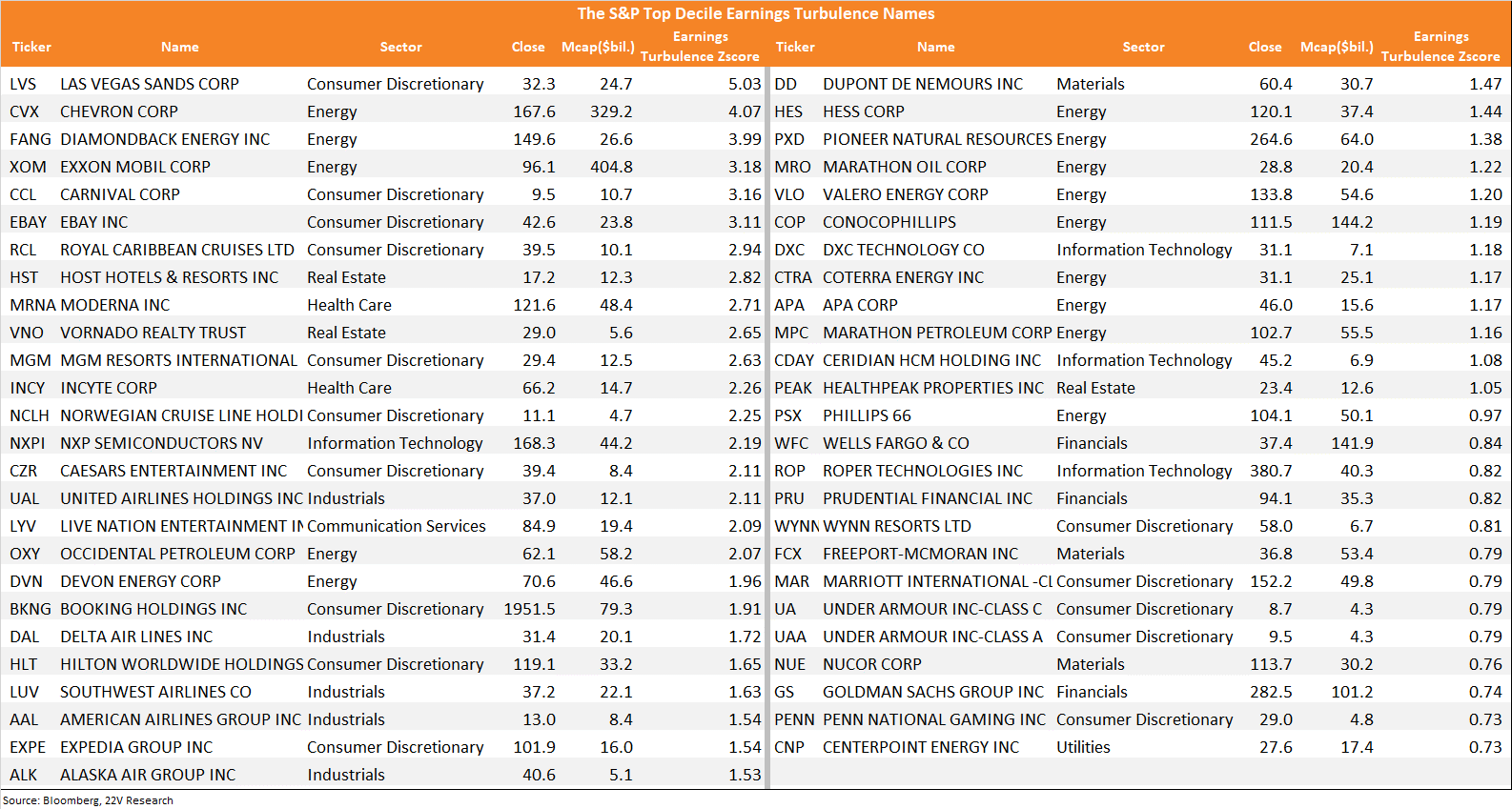
If there is another counter trend rally (there have been three so far this year), high Earnings Turbulence names are likely to benefit. Below we list the top decile Earnings Turbulence names.