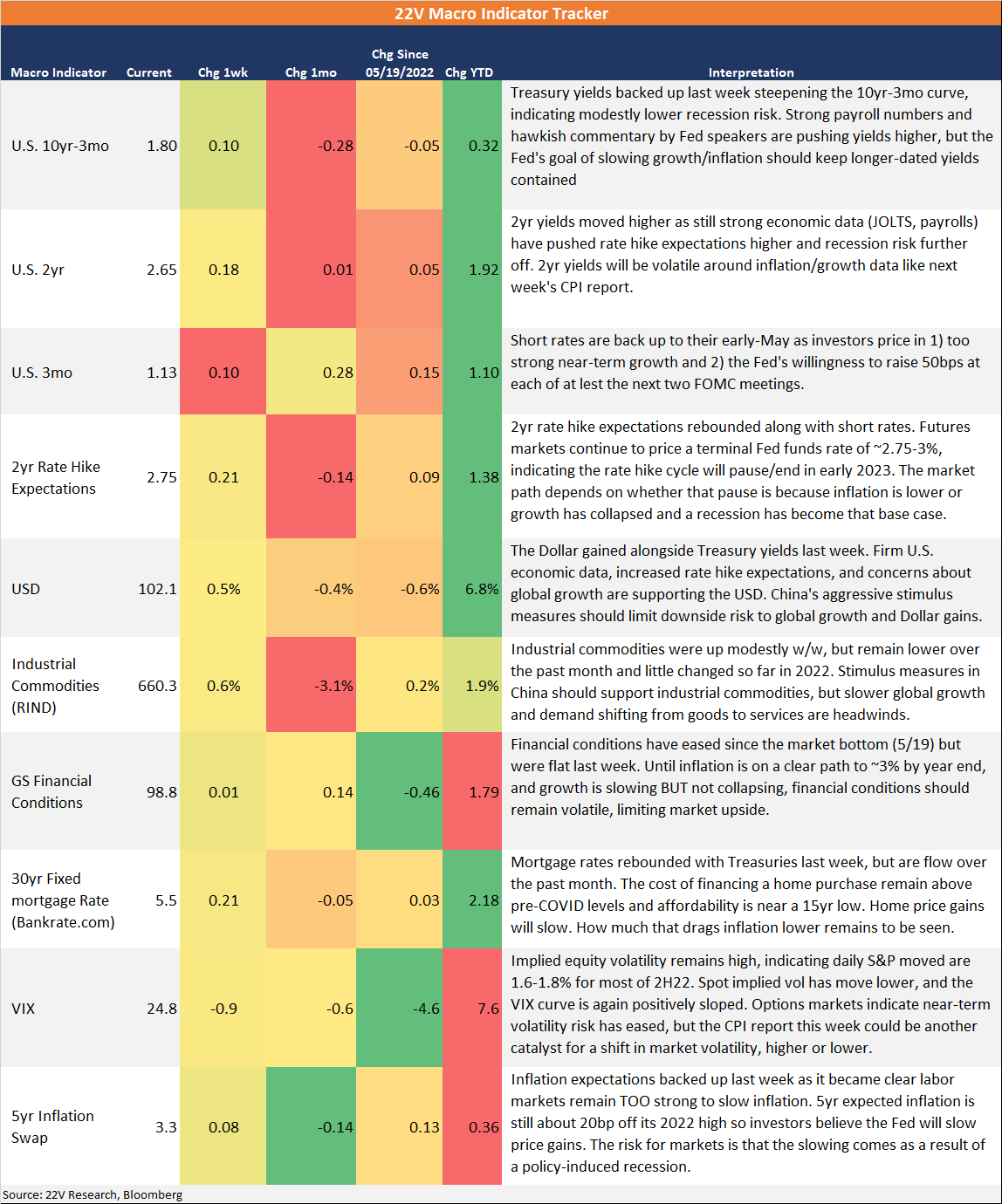
SUMMARY: After a 7% rally, the S&P faltered after Friday’s payroll report, slipping -1.6%. Tech and Discretionary declined the most Friday after being two of the best performing sectors during the rally. Rate hike expectations moved higher and Cyclicals lower after the payroll report that indicated the Fed may need to push harder on the policy front to ease labor market tightness.
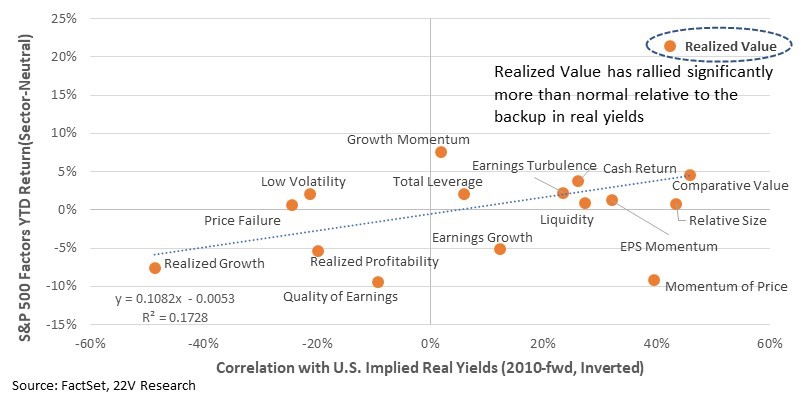
Some of that is reversing today as China reopens and bond yields are only marginally higher, but we think it will be tough for risk-on factors to sustain gains near term. A sharp reversal in factor trends, like what was seen during the previous market peak is less likely though given the elevated level of implied volatility. Overall risk to equities is similar. The last two selloffs were caused by macro shocks, but they started with much HIGHER PEs and much LOWER levels of implied volatility. Today, Value has had a huge move relative to the change in yields (which we think have peaked) and investors are better positioned for macro volatility.
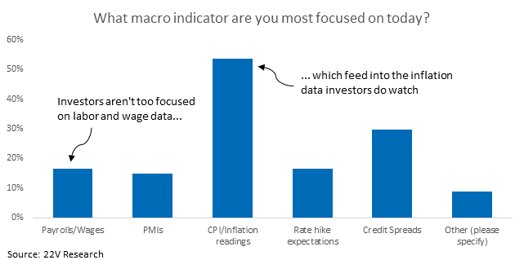
Bottom Line: The slowdown in economic growth that seemed so obvious just a few weeks ago, is just not SLOW ENOUGH. A strong consumer that keeps inflation too high for the Fed for too long is a significant risk. This week’s CPI report will help determine if price gains are slowing enough to give the Fed comfort or if more aggressive rate hikes/rhetoric will be needed to slow growth. Investors are much more focused on CPI than payroll or other data points.
Keep in mind that core inflation moving toward the 3% level by 1Q next year is REALLY important. If spending doesn’t slow to a below-trend pace, there is a significant risk that core inflation is well above 3% by 1Q next year. That means the Fed needs to remain hawkish (no pausing or stepping down from 50bp hikes to 25bp hikes) and financial conditions have to tighten more. Which will come along with more recession risk.
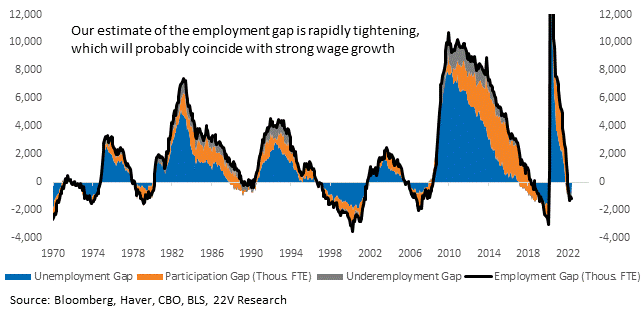
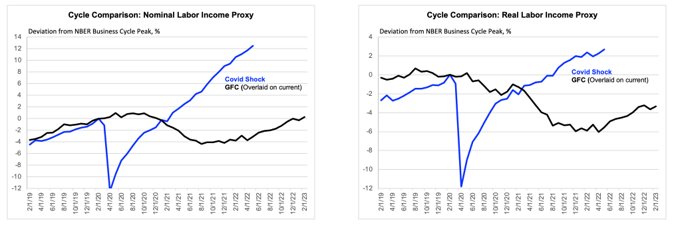
As Gerard pointed out, the labor income proxy from the employment report (aggregate hours worked * average hourly earnings) remains extremely strong in nominal terms and points decisively away from nearby recession risk. The real labor income proxy has been held back by the price shocks hitting the headline PCE deflator, but is still running at a +2.3% pace. Long story short, the consumer can still spend at an above-trend pace and unless the labor markets weaken, likely will keep spending. Housing weakness/continued gasoline shocks could change consumer spending trends quickly, but we haven’t seen it yet.
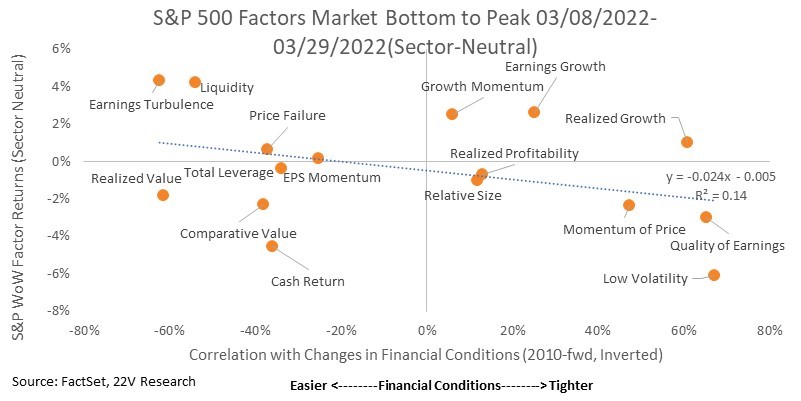
Low Volatility, Earnings Quality, and momentum factors should benefit if we have to go through another round of financial conditions tightening. Two nuances on financial conditions tightening. 1) Investors now realize that the Fed is going to slow economic growth, so financial conditions tightening might not have an impact on Defensive growth that it did previously. It will on more speculative growth. 2) Most of the damage will be done in the front end of the curve, not the long end, if the Fed sounds more hawkish (yield curves flatten). We are more focused on stocks that do or do not benefit from higher short rates (note here, stocks here).
Full report below.
MARKET VIEWS: Oil prices and global 10yr yields continue to grind higher as high-frequency economic indicators remain relatively stable. The breadth of US economic data has turned lower, but rest of world has held up better and some of the most important data in the US (labor income proxy, see below) suggest consumers can continue spending at healthy levels. A faster China reopening than many investors expected is helping weaken the USD and stabilize risk assets. Some investors might be surprised that the Payroll report is not having a bigger impact on risk assets (beyond the sell-off last Friday), but keep in mind that the vast majority of investors we surveyed are most focused on CPI and other inflation readings.
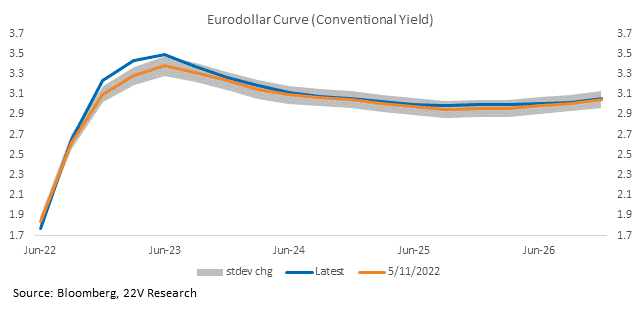
The Fed funds futures curve did shift higher following the payroll report and a pause in September is not being discounted by futures markets (never really was). The shift higher in fed funds futures is just marking to market against the strong labor market data.
The combination of the strong JOLTS data (job openings still elevated) and firm headline payroll number continues to suggest an extremely tight labor market. To the extent the consumer continues to spend at an above-trend pace (happening now) and the labor market is tight, core CPI readings can remain stubbornly high. Keep in mind that core inflation moving toward the 3% level by 1Q next year is REALLY important. If spending doesn’t slow to a below-trend pace, there is significant risk core inflation is well above 3% by 1Q next year. That means the Fed needs to remain hawkish (no pausing or stepping down from 50bp hikes to 25bp hikes).

As Gerard pointed out, the labor income proxy from the employment report (aggregate hours worked times average hourly earnings) remains extremely strong in nominal terms and points decisively away from nearby recession risk. The real labor income proxy has been held back by the price shocks hitting the headline PCE deflator, but is still running at a +2.3% pace. Long story short, the consumer can still spend at an above-trend pace and unless the labor markets start to weaken, likely will keep spending.
Bottom line, the US economy is slowing, but not fast enough and the risk is clearer now that more financial conditions tightening will be needed. Tighter financial conditions will favor low volatility, Quality of earnings at the expense of Earnings risk, Liquidity, and Leverage. The only nuance now, investors realize that the Fed is going to slow economic growth, so financial conditions tightening might not have an impact on Defensive growth like it did previously. It will on more speculative growth.
It is important to keep in mind that Realized Value returns were MUCH stronger than we would have expected given the backup in yields. Yields should be biased higher near term if more financial conditions tightening is needed, but outside of Energy it is tough to get excited about Value unless you think 10yr yields are going much higher (we don’t…see our weekly for the reason why, here). Also, we think most of the damage will be done in the front end of the curve. We are more focused on stocks that do or do not benefit from higher short rates.
Macro Conditions: After a 7% rally, the S&P faltered after Friday’s payroll report, slipping -1.6%. Tech and Discretionary declined the most Friday after being two of the best performing sectors during the rally. Rate hike expectations moved higher and Cyclicals lower after the payroll report. There were some signs that labor demand is weakening, but not enough or fast enough to convince investors that the Fed will be able to ease off rate hikes before 4Q. Tight labor markets, low consumer debt levels, and significant asset price gains (housing and stocks) supported a rapid pace of consumer spending growth over the past few years. That growth is what the Fed is pushing back against, but rate hikes are not a precision tool. Through lower savings and taping asset price gains (mortgage equity withdrawal), consumers continue to spend at a pace too strong for the supply side and the Fed. Higher borrowing costs will slow the rate of gains, but the Fed needs that shift to come soon. A strong consumer that keeps inflation too high for the Fed for too long is a significant risk. This week’s CPI report will help determine if price gains are slowing enough to give the Fed comfort or if more aggressive rate hikes/rhetoric will be needed to slow growth.