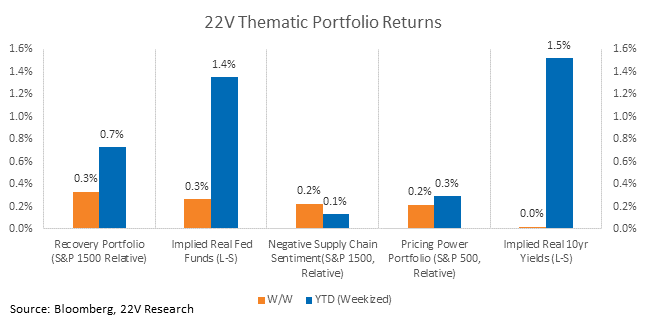
SUMMARY: Volatility has been severe this week; markets have swung back and forth by conflicting and difficult-to-predict geopolitical headlines. Our thematic portfolios continue to provide risk mitigation. All five have outperformed YTD and over the past week. The portfolios benefit from durable themes: rising real rates, tightening financial conditions, improving supply chains, and pricing power as the Fed fights inflation. Constituents of all portfolios are HERE.
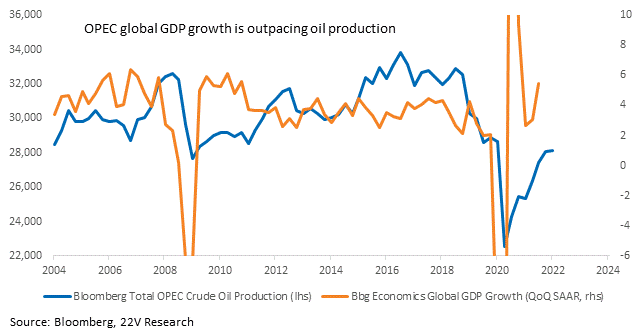
The U.S. and Iran are moving closer to a deal that will release Iranian oil onto the market. During the oil panel at our macro conference, Jean-Louis Le Mee, an expert energy investor, mentioned releasing Iran’s supply would generate short-term relief for oil prices but the output deficit will continue to expand medium and longer-term, which is bullish for oil prices. Oil production is lagging the economic recovery.
Fed policy adjustments continue to impact risk appetites. Cleveland Fed president Mester commented yesterday that Fed policy needs “to transition away from explicit forward guidance and toward conveying a sense of our policy trajectory and explaining the rationale for our policy decisions in terms of economic and financial developments…” During the ELB period, forward guidance was used to set expectations independent of short-term economic developments.
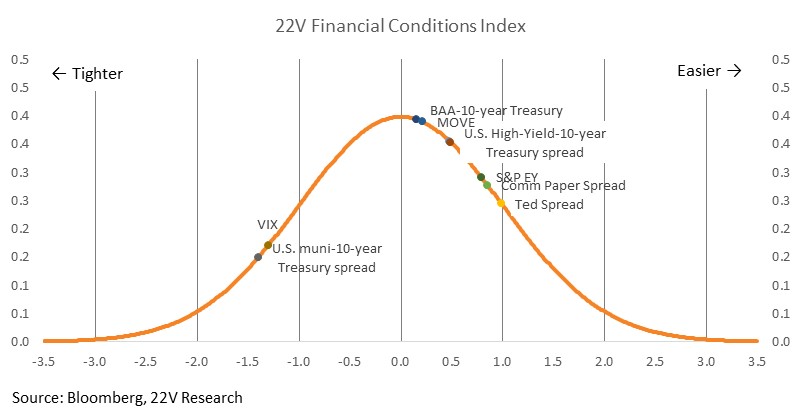
Long-term forward guidance needs to be replaced with a more flexible, data dependent framework, and Powell has been making that shift during post-FOMC press conferences. The Fed’s intent has shifted. Their goal today is to tighten financial conditions and slow growth. They have made some progress, but money market and bond conditions need to tighten further. The more the Fed makes its intent obvious (slow growth and tighten financial conditions), the more financial conditions will tighten. The expected rate path won’t tell us much as the Fed doesn’t know how much tightening is required to accomplish its goals (none of us do!!!). What we know is core inflation is well above trend and sticky (see wages/rents), economic growth is firm and financial conditions are easy. The Fed will push back against all 3 things we just mentioned. Unless Gerard’s inflation forecasts are wrong. Gerard has been correct.
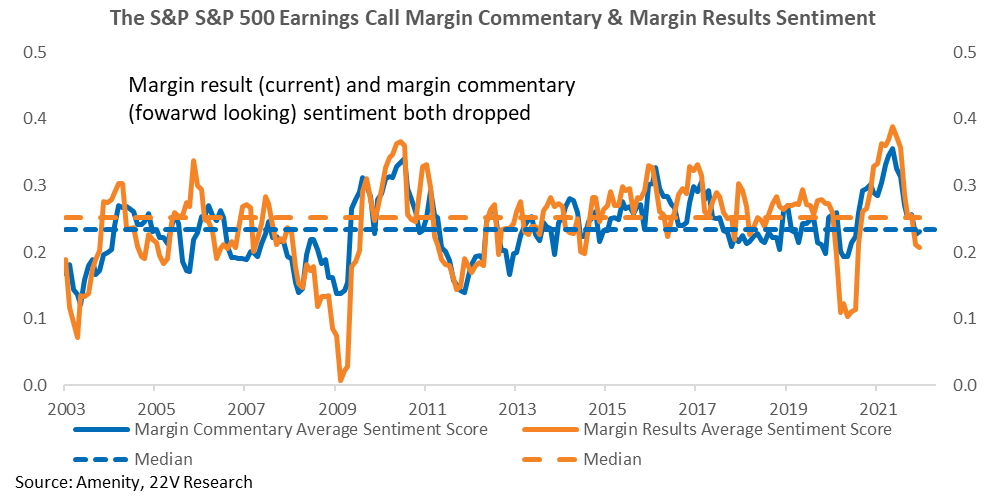
January PPI came in much stronger than expected. This does not indicate worse margins, as Gerard explains in this report. However, the strength in producer prices is unsustainable because the Fed is intolerant of it. The Fed will fight margin-enhancing inflation going forward. Margin sentiment, measured using the Amenity NLP tool, is deteriorating. Stick with companies that can maintain pricing power despite a naturally slowing OR Fed induced decline in pricing.
MARKET VIEWS: Russia headlines continue to whipsaw; Blinken will supposedly meet with Sergei Lavrov, Russia’s Foreign Minister, next week. Simultaneously, Russia is planning missile tests while increasing shelling in eastern Ukraine. The U.S. and Iran are moving closer to a deal that will release Iranian oil into the market. During the oil panel of our macro conference, Jean-Louis Le Mee, an expert energy investor, mentioned releasing Iran’s supply would generate short-term relief for oil prices but the output deficit will continue to expand in medium and longer-term, which is bullish for oil prices. Oil production is lagging the economic recovery.
Volatility has been severe this week; markets are being swung back and forth by conflicting and difficult-to-predict geopolitical headlines. Our thematic portfolios continue to provide risk mitigation. All five have outperformed YTD and over the last week. Outside of the Recovery Portfolio, which has longer-term headwinds from its factor exposure, the portfolios benefit from durable themes: rising real rates, tightening financial conditions, improving supply chains, and maintaining pricing power as the Fed fights inflation. Constituents to all our thematic portfolios can be found HERE.
Fed policy adjustments continue to impact risk appetites. Cleveland Fed president Mester commented yesterday that Fed policy needs “to transition away from explicit forward guidance and toward conveying a sense of our policy trajectory and explaining the rationale for our policy decisions in terms of economic and financial developments…” During the ELB period, forward guidance was used to set expectations about policy regardless of short-term economic developments. Put simply, the Fed wanted to encourage risk taking by keeping policy uncertainty (term premiums) VERY low. Today, they want to increase risk premiums, biasing yields higher.
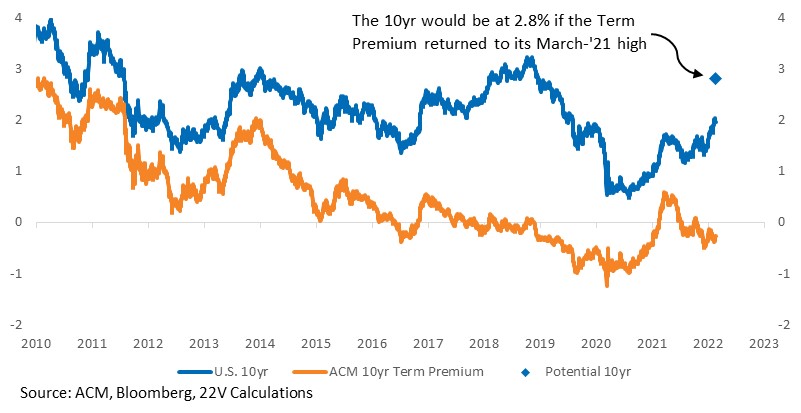
Today, as the Fed tightens policy, long-term forward guidance needs to be replaced with a more flexible framework based on how the economy develops. Powell has been making that shift during post-FOMC press conferences by highlighting the Fed’s focus on fighting inflation while downplaying employment as a consideration. The goal of that communication is to tighten financial conditions and slow growth. There has been some progress on that front, but money market and bond conditions need to tighten further.

Margin Pressure Coming: January PPI came in much stronger than expected. This does not indicate worse margins. Per Gerard, “the corporate sector is a producer of intermediate inputs and that surging prices therefore do not generate a squeeze on margins. If such a dynamic prevailed, then the value-added deflator for the corporate sector would fall when producer prices surged… The valued added deflator for the corporate sector correlates positively with the PPI. So, when the PPI surprises to the high side, so too will margins, other considerations held equal.” However, the strength in producer prices is unsustainable because the Fed is intolerant of it. The Fed will fighting margin-enhancing inflation going forward. Margin sentiment, measured using the Amenity NLP tool, is deteriorating too.
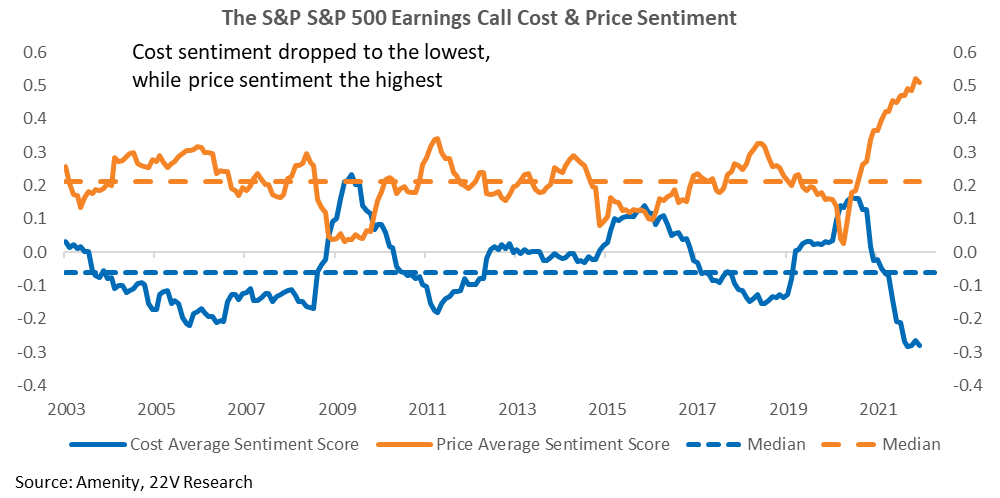
Company cost sentiment is at a record low and price sentiment is near a record high. This is perfectly consistent with the PPI report and is not a good sign for inflation. The forward outlook is not overly positive.
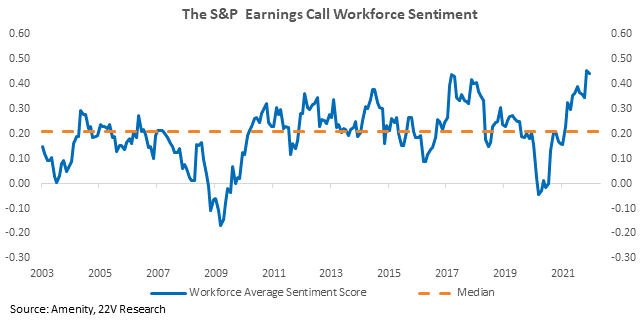
Workforce sentiment, which is sentiment around hiring/laying off, troughed in May 2020, and since then it improved. It suggests that companies are more positive about hiring and more demand, in line with a tight labor market and wage inflation.