
Our entire repository of COVID charts is HERE.
Gerard’s take on January jobs data is that businesses are willing to look through the Omicron shock and the data reinforces the case for the Fed tightening. A softer soft spot is still a soft spot though, so there will be a rebound in growth/activity. Short-term, the Fed is unlikely to be so aggressive they quell the rebound. With that and earnings, we like Cyclicals short-term. Longer-term, equities can’t escape Fed tightening. The same applies to Recovery stocks, which benefit from improving COVID sentiment but have a poor factor profile for rising real rates and tightening financial conditions.

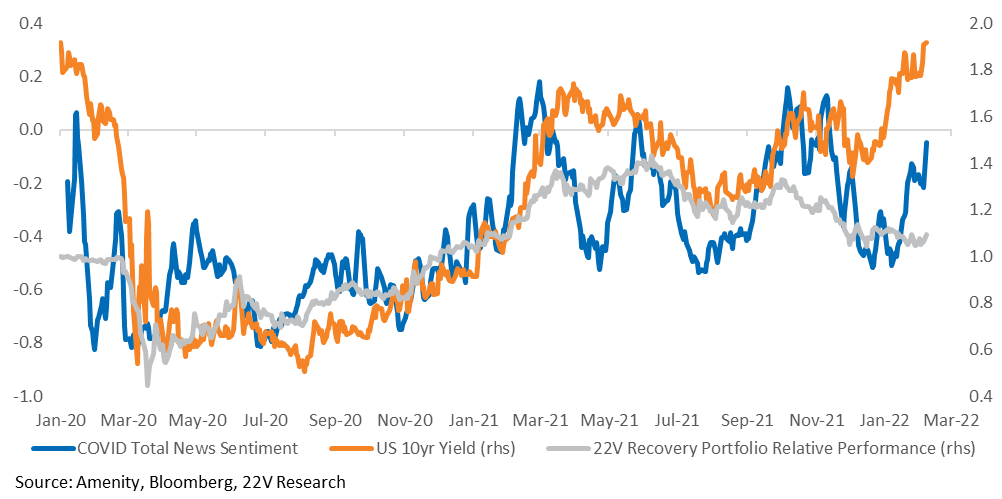
The global COVID picture is fairly benign. Case growth is lower across most regions. The ratio of deaths (on a lag) to cases stayed low in developed countries despite record case growth, significantly limiting the market risk COVID poses. Simply put, COVID is no longer a preeminent market or economic force. The largest remaining risk, outside of a highly infectious and deadly new variant, is disruptions to supply chains that delay goods disinflation or deflation.
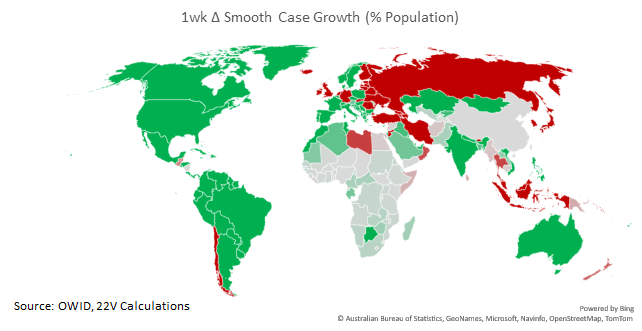
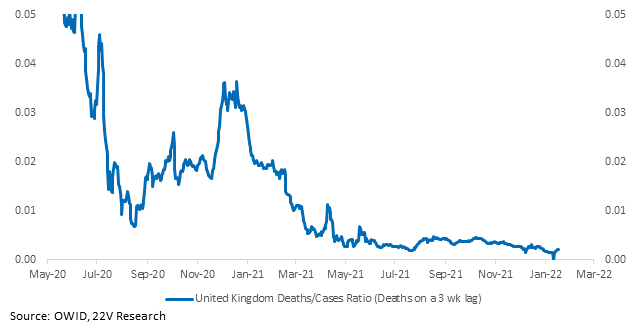
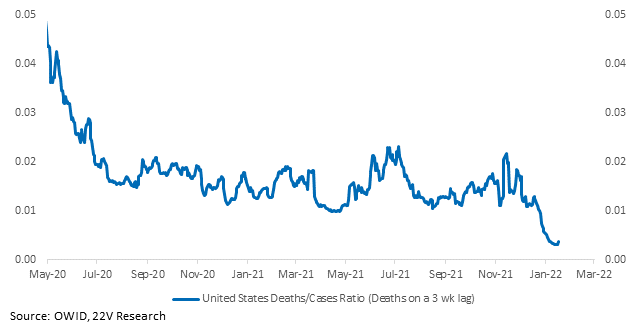
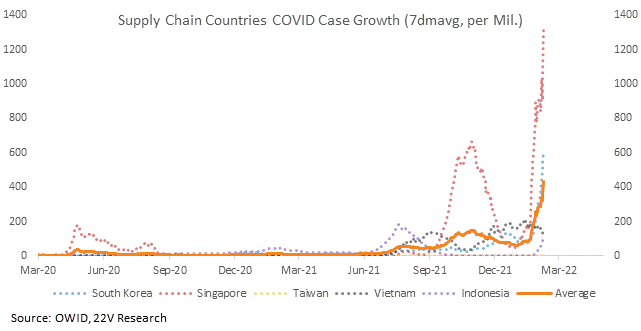
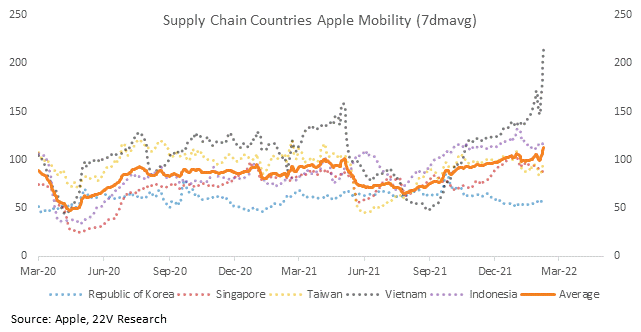
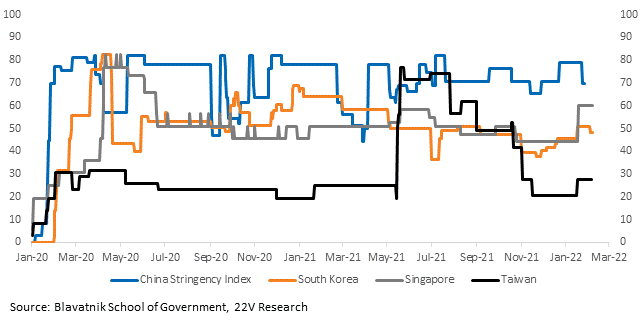
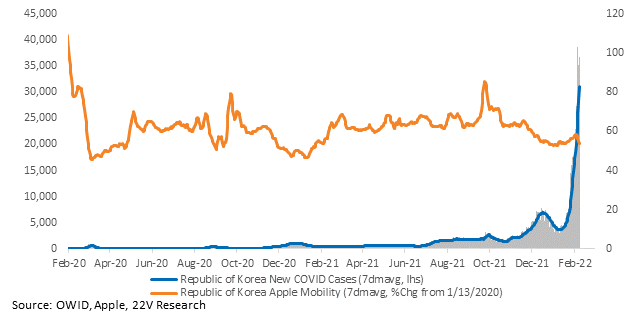
Supply chain countries do have increasing case growth. Mobility has, so far, held up and restrictions are less severe than previous levels across supply chain countries. South Korea has the worst case growth and, despite an effort to avoid restrictions, is imposing limits on social gatherings and a 9pm curfew on businesses. 55% of its population has received a booster, which should help limit the spread or at least limit severity.
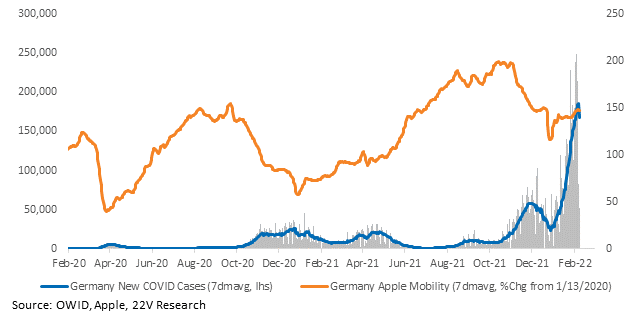
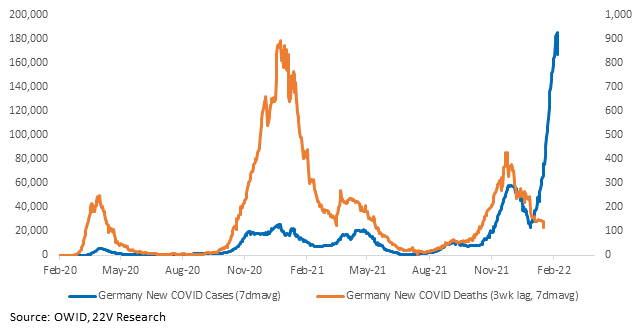
Germany’s case growth may have peaked. Deaths have stayed low and mobility is slowly recovering.
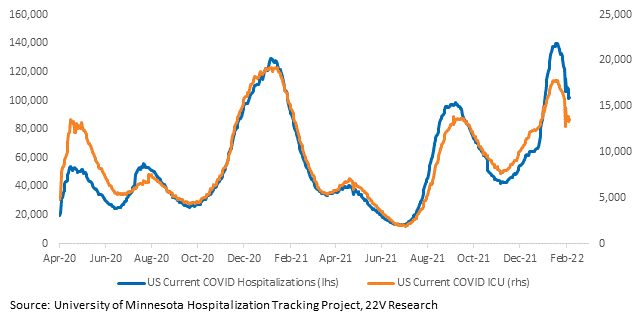
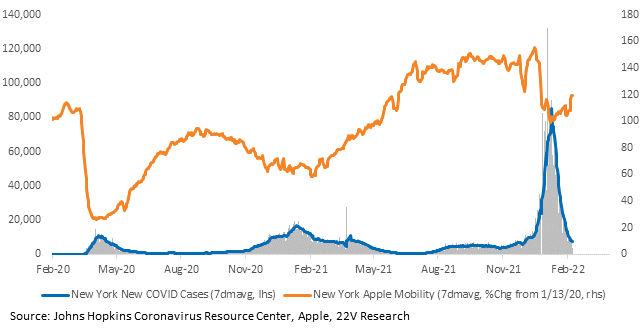
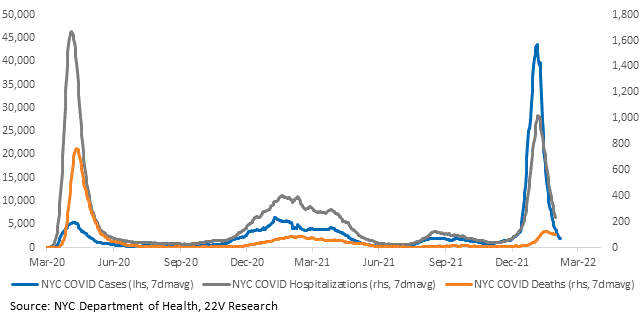
Case growth is lower across almost every state. Hospitalizations and patients in the ICU are both declining. Mobility continues to increase. High frequency data suggests the Omicron rebound is happening – CARTS data indicates retail sales will grow again in January. NY and NYC are through the Omicron wave.
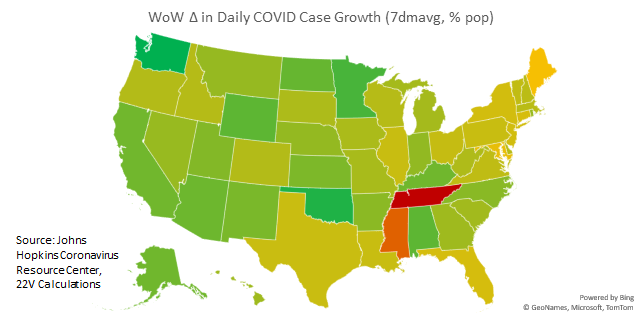
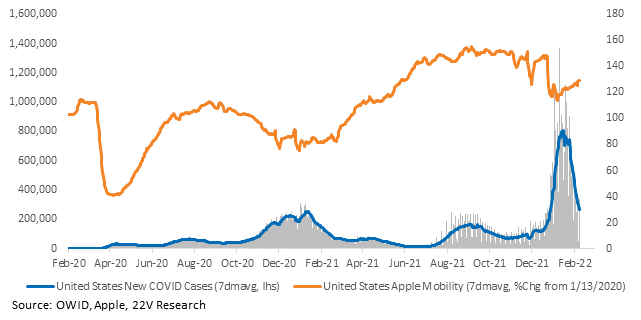
Charts for every state and country we have data for are HERE.

