SUMMARY: Rent and wage inflation rising, pushing trimmed mean PCE higher, but increased auto production and lower prices will provide some relief. Wage growth and how much inflation widens out will determine how the Fed will respond. Powell explicitly said the Fed is monitoring inflation data and expects pressures to ease in 2Q/3Q next year. Inflation uncertainty will remain high, adding a macro headwind to market gains, leaving internal rotations increasingly important.
Near term downside risk to equities from rising core inflation should be limited by a few factors. 1) demand growth has been strong (see retail sales) and will likely remain so into 2022, 2) Fed policy is till focused on maintaining easy financial conditions and 3) the path of major inflationary forces like wage growth and productivity remains highly uncertain. Weakening of the demand backdrop or a shift in the Fed’s stance are 1/2Q 2022 issues.
There has been no clear consensus opinion on inflation from the slew of Fed speakers this week, which is what should be expected in the current backdrop. The Fed is making a prediction based on their understanding of the unusual state of the world, not following a model, so a lack of consensus shouldn’t be surprising. Policy is becoming more data dependent, but that data will not be available until well into 2022.
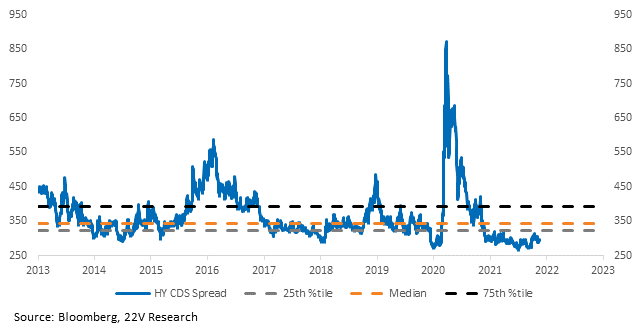
Inflation concerns have increased but credit spreads are still tight. Narrow credit spreads reinforce the Fed’s pro-growth stance, which is bullish for stocks and the economy LONGER TERM. If markets were pricing in demand destruction, credit spreads would be wider. Inflation concerns are showing up in internals though. High credit rating names are vastly outperforming names with poor credit ratings. The trend will likely continue while we have a period of chop as investors wait and debate inflation.

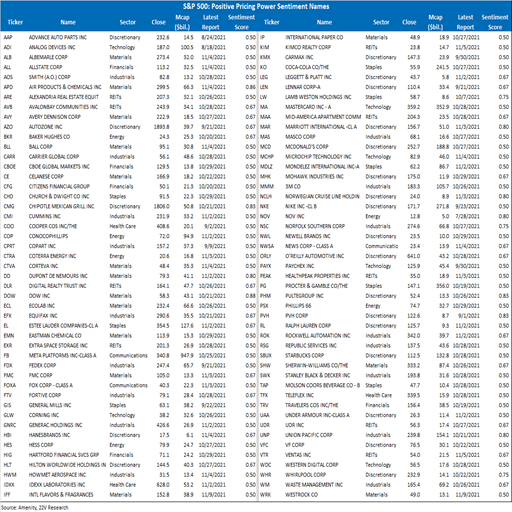
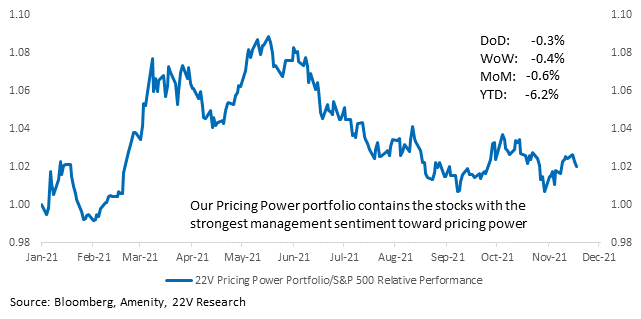
We built a pricing power portfolio using Amenity’s natural language processing tool. The portfolio contains stocks where management expressed the most positive sentiment about pricing as of the end of 3Q. This is a good list to focus on as the inflation debate causes concern over margins. Constituents are at the end of the report.
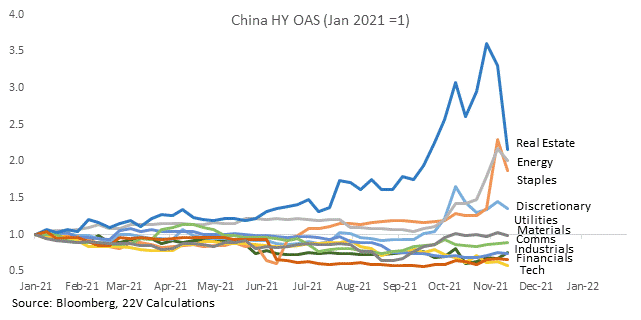
MARKET VIEWS: Inflation is dominating the market debate, but U.S. equity futures are a little higher and oil prices dropped on the prospect of China, Japan, and the United States dipping into their oil reserves. There has been incremental progress on growth concerns in Asia. Japan is providing much more fiscal stimulus than expected (56TN yen vs 40TN est). And China real estate risk is easing. S&P said in a report yesterday that Evergrande default is “highly likely,” but investors seem to think contagion risk is fading; high yield CDS have tightened across sectors.
Rent and wage inflation are pushing trimmed mean PCE higher but receding auto prices will provide some relief. Broad inflation trends will determine the longer-term path of Fed policy. Powell explicitly said the Fed is monitoring inflation data and expects pressures to ease in 2Q/3Q next year.
Near term downside risk to equities from rising core inflation should be limited by a few factors. 1) demand growth has been strong (see retail sales) and will likely remain so into 2022, 2) Fed policy is till focused on maintaining easy financial conditions and 3) the path of major inflationary forces like wage growth and productivity remains highly uncertain. Weakening of the demand backdrop or a shift in the Fed’s stance are 1/2Q 2022 issues.
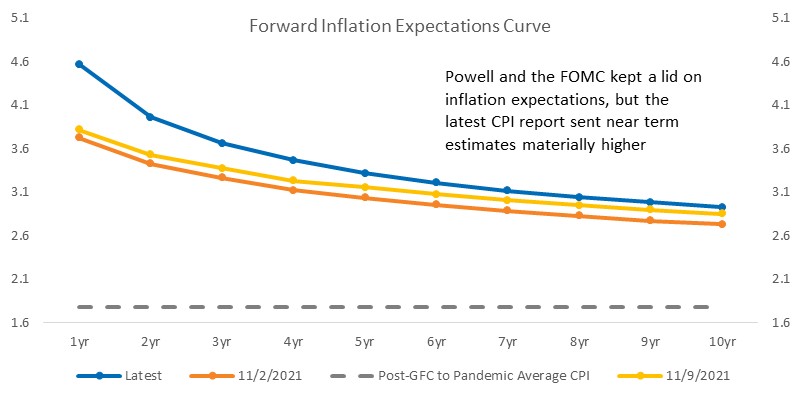
There has been no clear consensus opinion on inflation from the slew of Fed speakers this week, which is what should be expected in the current backdrop. The Fed is making a prediction based on their understanding of the unusual state of the world, not following a model, so a lack of consensus shouldn’t be surprising. Policy is becoming more data dependent, but that data will not be available until well into 2022. FYI Bostic speaks at 8 am ET, Williams at 9:30 am, Evans at 2 pm, and Daly and 3:30 pm. The inflation expectations curve has shifted higher following the CPI print. The curve had been stable following the more recent FOMC meeting.
We built a pricing power portfolio using Amenity’s natural language processing tool. The portfolio contains stocks where management expressed the most positive sentiment about pricing as of the end of 3Q. This is a good list to focus on as the inflation debate causes concern over margins. Constituents are at the end of the report. The portfolio has underperformed recently, suggesting some easing of the emphasis on pricing power.
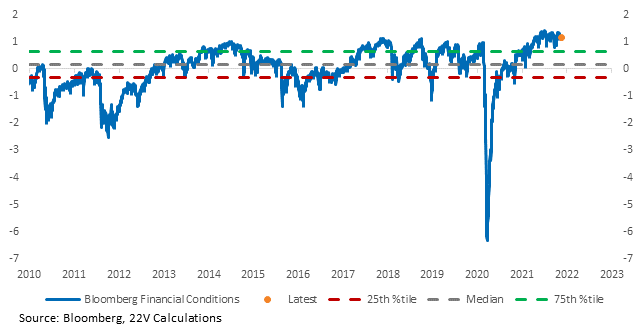
Inflation concerns have increased but credit spreads are still tight. Narrow credit spreads reinforce the Fed’s pro-growth stance, which is bullish for stocks and the economy LONGER TERM. If markets were pricing in demand destruction, credit spreads would be wider.
Inflation concerns are showing up in market internals though. High credit rating names are vastly outperforming names with poor credit ratings. The trend will likely continue while we have a period of chop as investors wait and debate inflation.
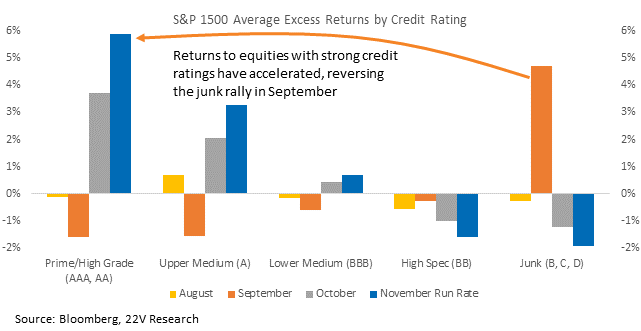
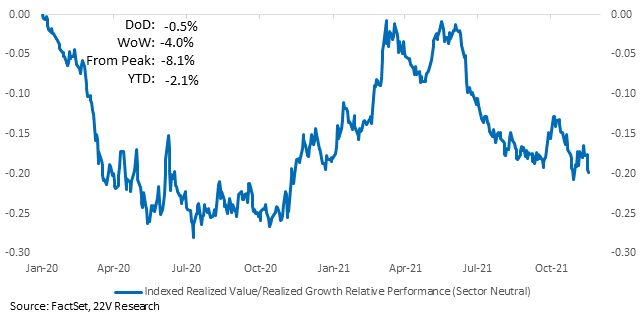
That’s likely part of the Growth rally, since big-cap tech is highly rated. Apple, Amazon, and Google are AA. Microsoft is AAA. Increasing yields are usually a tailwind for Value, but why 10yr yields are increasing (and how fast they increase) matters. If yields backup because of inflation fears, Value is unlikely to outperform. Falling growth estimates should limit such an increase.
Pricing Power Portfolio constituents below.