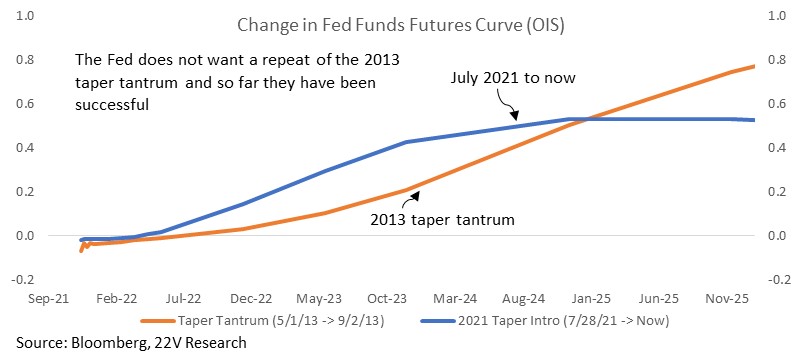
SUMMARY: Although Fed rate hike expectations have moved higher following the stronger than expected CPI reading, 2023, 2024 and 2025 rate hike expectations have been steady relative to taper tantrum gains. That indicates 1) investors expect the inflation pressures to ease over time (supply constraints ease) and 2) suggests extremely low real rates, helping explain why financial conditions have remained easy despite short rates increasing. For context, during the 6 months following the taper tantrum, rate hike expectations increased aggressively across the curve, tightening financial conditions.
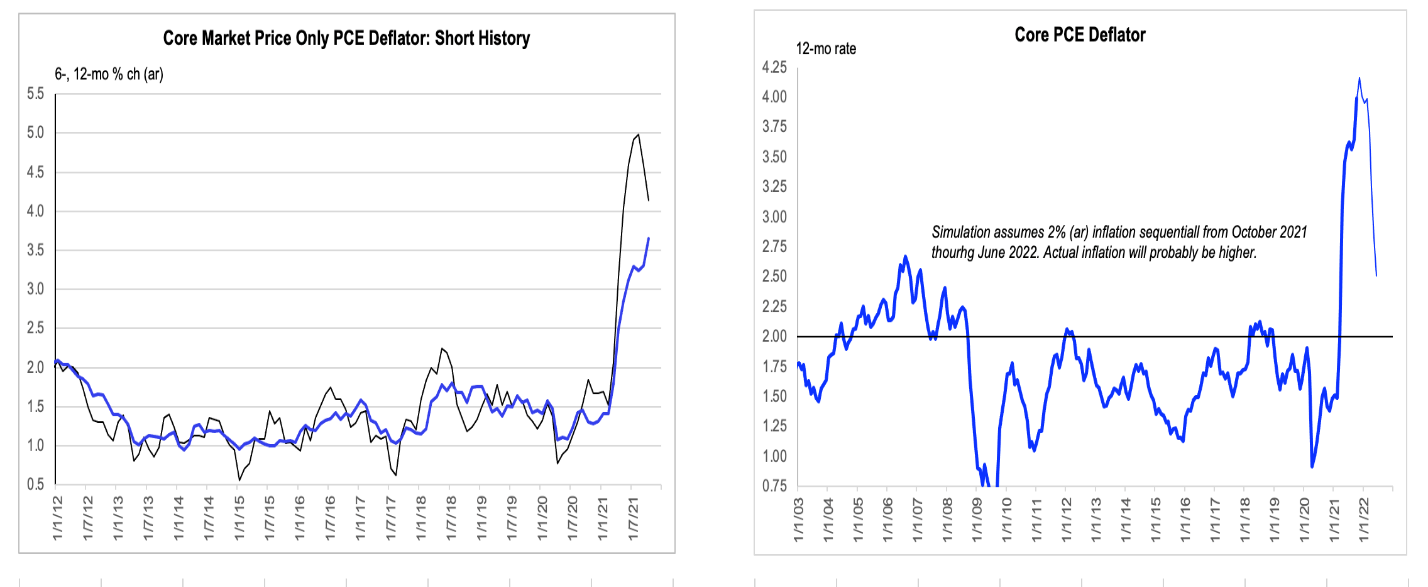
One reason Fed futures are not pricing in an aggressive rate hike cycle (on a multi-year basis) has to do with something Gerard has pointed out. If we assume 2% sequential inflation from October 21 to June 22, the core PCE deflator would move steadily lower, which the Fed would be comfortable with (i.e., the rate path doesn’t have to inflect higher from here). The issue with that assumption, as Gerard points out, is that labor market dynamics could easily move inflation away from the estimated trend. Which is why inflation uncertainty is likely to remain high for a while until investors have a better handle on how quickly the urate could drop and wages accelerate. Participation is the major swing factor.
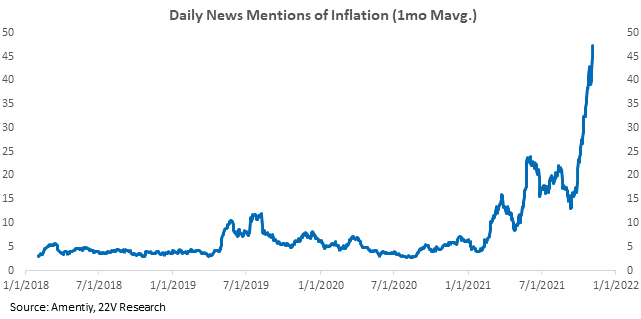
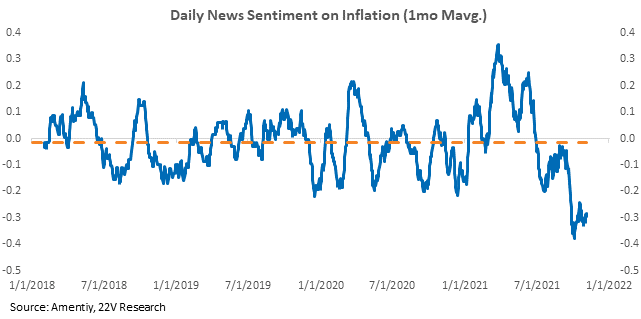
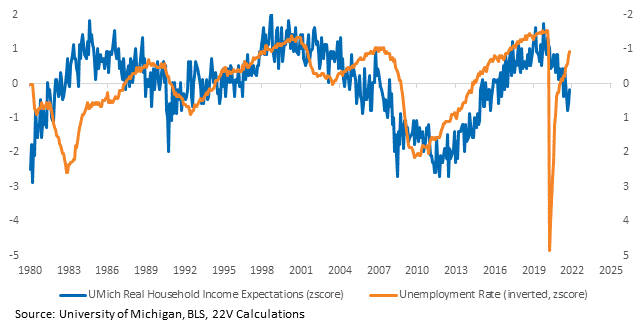
Inflation headlines remain a problem and it is tough to assume we get a sharp move higher in the U of Mich Confidence readings today with daily news mentions of inflation skyrocketing and inflation sentiment at historic lows. We continue to fade the idea that relatively low confidence readings will impact spending. The wealth effects have been extreme, and confidence tends to follow the labor market over time. With the urate headed lower, income expectations will eventually move higher.
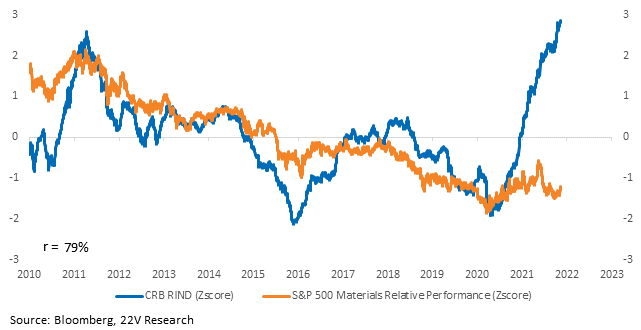
Stock Ideas in the Report: Something to keep in mind, if the global economy does not suffer from demand destruction or a sharp fed hiking cycle, that takes out commodity prices, Materials have significant upside relative to Commodity prices.

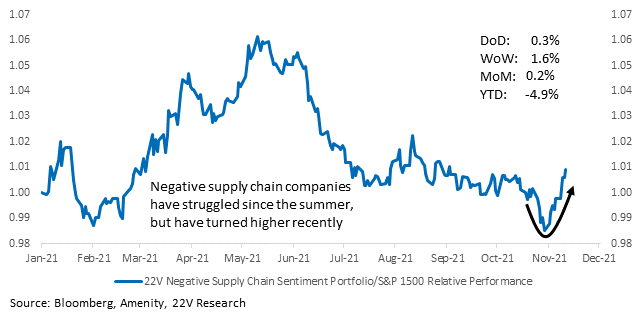
We also highlight the short-term outperformance of those names most negatively levered to supply chains. Supply chains are improving, and those stocks have done very well. We expect that to continue.
Full report below…
MARKET VIEWS: Following the CPI data investors are pricing roughly 3 hikes again for 2022, which would mean hiking starts in June right after tapering is finished. That doesn’t seem unreasonable given the likely path of owners’ equivalent rent and wage growth. Although Fed rate hike expectations have increased for this year, when looking out to 2023, 2024 and 2025, the rate hike expectations curve starts to flatten out. That suggests that 1) investors expect the inflation pressures to ease over time (supply constraints ease) and 2) suggest extremely low real rates and helps explain financial conditions have remained easy despite short rates increasing. Just to give some context, during the 6 months post the taper tantrum, rate hike expectations moved up aggressively across the curve, which tightened financial conditions.
One of the reasons Fed futures are not pricing in an aggressive rate hike cycle (on a multi-year basis) has to do with something Gerard has pointed out. His lower right chart below shows what the core PCE deflator would look like if we assume 2% sequential inflation from October 21 to June 22. That path of inflation is reasonable from here given base effects. Futures pricing suggests inflation will roughly follow the path of Core PCE next year and the Fed will look through the base effects. i.e., not an aggressive pace of tightening. The issue with that assumption, as Gerard points out, is that labor market dynamics could easily move inflation away from the estimated trend. Which is why inflation uncertainty is likely to remain high for a while.
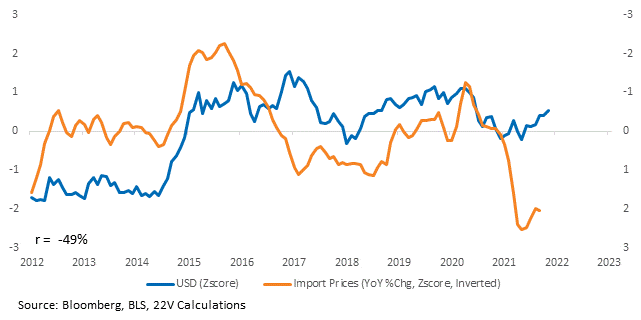
The USD continues to break out and a stronger USD, which seems likely given the disconnect between US and ECB policy and relatively strong US economic growth, should alleviate some import price headwinds. Point being, the strong the USD gets, the lower the stagflation worries should be. As we think about input prices going forward, we should assume downside risk.
The headlines on inflation remain a problem. Bottom line. And that will continue to impact confidence readings. We get the U of Mich Confidence readings today and it is tough to assume a sharp increase in confidence with daily news mentions of inflation skyrocketing…
…and inflation sentiment readings near the lows. Hopefully the inflation sentiment readings are bottoming, which would boost confidence.
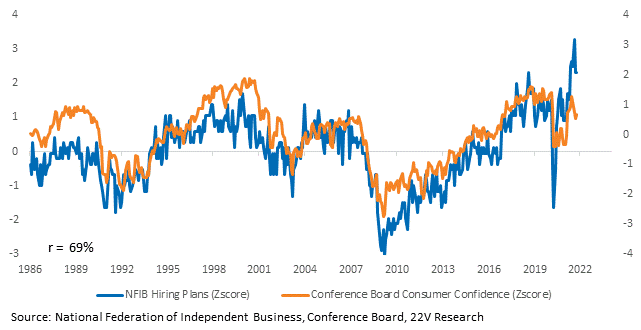
Fade the confidence readings as something that will impact demand though. The consumer is booming (ask for our charts on this) and confidence tends to track hiring over time. Hiring plans remain firm and as long as that is the case, consumer confidence readings are biased higher over time.
The income expectations category of the report will likely be impacted by the inflation headlines. But Income expectations will improve if the unemployment rate is moving lower. The urate is highly likely to keep moving lower.
STOCK GROUP IDEAS: Something to keep in mind, if the global economy does not suffer from demand destruction or a sharp fed hiking cycle, that takes out commodity prices, Materials have significant upside relative to Commodity prices. They have lagged meaningfully, and we are overweight Materials. The data overnight (European IP and China singles day sales) are consistent with strong demand.
Given our view of a strong demand backdrop and improving supply chains, we continue to favor companies that have been most negatively impacted by supply disruption. The 22V Quant basket of stocks with the most negative supply chain sentiment has meaningfully outperformed over the past few weeks.